
By 2026, over 85% of buyers research products and services via Google, social media, and review sites before making contact. Video content alone is projected to account for 82% of all internet traffic, making platforms like YouTube and TikTok critical for any business serious about visibility.
A strong online brand makes you discoverable when potential customers search for solutions. It makes you memorable through authentic storytelling. And it builds trust through social proof, 87% of consumers are willing to pay more for brands they trust, directly tying brand strength to revenue.
Growing a brand online covers three key elements: identity (who you are), visibility (how people find you), and credibility (why they trust you). This guide is practical and suitable for B2C, B2B, and local businesses that want measurable brand growth within 6-12 months.
You cannot grow your brand online without knowing who you serve, who you compete with, and what’s already working in your niche. Before creating content or launching campaigns, invest time in research.
Conduct a competitive scan:
For example, a painting company might discover competitors partnering with real estate agents for referrals. A landscaper might see successful brands aligning with fencing companies for cross-promotions. These insights reveal what works in your target market.
Build lightweight buyer personas using:
With mobile internet usage exceeding 60% of total web traffic in 2025-2026 and Gen Z/Millennials dominating consumer bases, focus your buyer persona on specific platforms and demographics rather than trying to reach everyone.
Your brand identity starts with your domain, brand name, logo, colors, and professional touchpoints. These visual elements create the powerful impression people see first. Visual identity elements such as logos, colors, and fonts are crucial for a company to be correctly recognized in the market.
Why domain registration matters:
Register a brand-matching domain (preferably .com or relevant country TLD) for at least 3–5 years. Check availability across major social platforms so you can use consistent messaging everywhere.
Branded email addresses (name@yourbrand.com) deliver 30-40% higher deliverability and trust signals compared to Gmail equivalents. Free providers often trigger spam filters and undermine your brand’s values. Aligning your email and visual identity with your brand's values helps reinforce authenticity and trust, ensuring your communications are consistent and credible in the eyes of your audience.
Keep your brand name short, easy to spell, and consistent across domain, social media, and offline materials. This is the most important thing for voice search accuracy and word-of-mouth referrals.
Take practical steps to avoid identity theft and brand dilution:
Strong brands protect their strong reputation by preventing unofficial or low-quality reproductions.
A successful online brand starts with a clear, consistent brand tone and messaging that speaks directly to your target audience. Your brand tone is the personality and emotion infused into your communications, whether it’s friendly, authoritative, playful, or professional. This unique brand voice sets you apart from competitors and helps create a memorable brand identity across all digital channels.
To define your brand tone and messaging, begin by identifying your target audience’s preferences, pain points, and online behaviors. Use market research, social media listening, and customer feedback to understand what resonates with your audience and what language they use when searching for solutions. This insight allows you to craft messaging that addresses their needs and positions your brand as the answer to their problems.
Consistency is key: ensure your brand tone and messaging are unified across your website, blog, and all social media platforms. This builds trust and reinforces your brand’s values, making your business instantly recognizable wherever potential customers encounter you online. Incorporate relevant keywords and phrases, identified through tools like Google Keyword Planner, into your messaging to boost your visibility in search engines and drive traffic to your site.
By developing a distinctive brand tone and messaging strategy, you not only increase brand awareness but also create a powerful impression that encourages your audience to engage, share, and become loyal advocates for your brand.
Social media platforms change algorithms constantly. Your website remains the central hub for all online activity, a digital channel you fully control.
Your website should clearly communicate who you are, what you offer, and who it’s for within the first 5 seconds. Sharing your brand's story, including your origin, values, and success, helps create emotional connections with your audience and reinforces brand recognition. Include these core pages:
Keep your brand name short, easy to spell, and consistent across domain, social media, and offline materials. Your brand name and slogan should be easy to spell and remember to increase the chances of customers revisiting your website.
Ensure your site is mobile-first (60%+ traffic is mobile), fast-loading under 3 seconds (reducing bounce by 32%), and accessible with legible fonts and alt text. Include prominent calls-to-action for newsletter sign-ups or quote requests to feed email marketing strategy.
On-page SEO is critical for being found when people search for your business and services.
Basic keyword research steps:
Focus on creating relevant information that builds E-E-A-T (Experience, Expertise, Authoritativeness, Trustworthiness). This approach improves search results rankings without keyword stuffing, which search engines penalize.
No one should try to be everywhere at once. Prioritize 1–3 platforms where your target audience’s preferences align with your content strengths.
Platform selection guide:
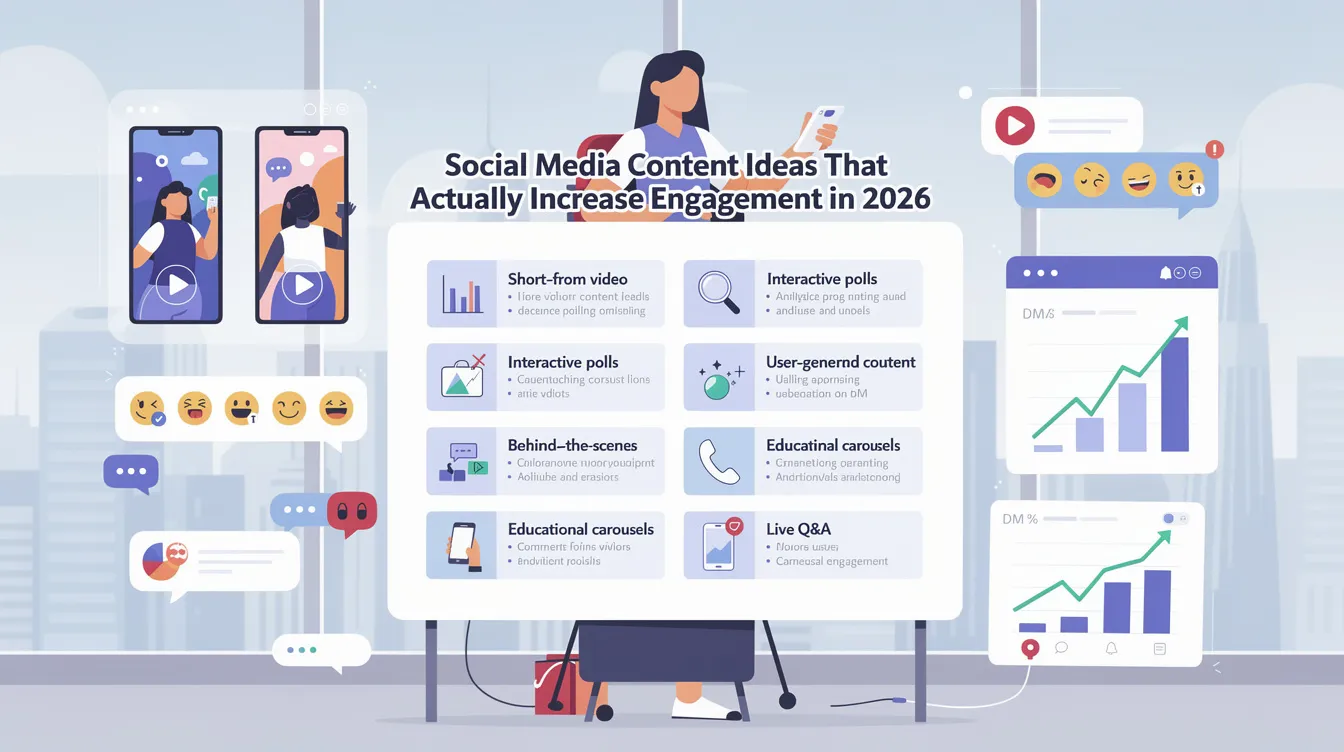
Create a simple content calendar: 3 posts per week for 3 months, focused on value, tips, behind-the-scenes, FAQs, customer stories. This approach yields 2-3x engagement compared to sales pitches.
Respond to comments and DMs within 24–48 hours. Use polls, Q&A sessions, and live content to build meaningful connections with community members.
Brand consistency speeds up brand recognition and builds trust. Create a simple brand guide (even a 2–3 page PDF) that includes:
This consistency should appear in bios, ad copy, email signatures, and landing pages. You can adapt your brand tone slightly per platform (more casual on TikTok, more formal on LinkedIn) without changing your core personality.
A memorable name combined with simple social handles reduces ad costs over time because people search for your business directly.
Practical naming tips:

Developing content is the main vehicle for showing your expertise, brand’s values, and personality. To ensure authenticity and engagement, your content should always align with your brand's values and mission.
Content should be valuable, diverse, and consistent to build trust and authority.
Consistent content (new articles, videos, short posts, emails) helps prospects move from awareness to trust to purchase.
Plan 2–3 core content themes tied to audience problems and brand strengths:
Repurpose efficiently: a blog post becomes social media content, short clips, and email highlights. Use real examples, data, and case studies instead of generic tips to position your company as a credible authority and create a competitive edge.
A regularly updated blog (2–4 posts per month) attracts organic traffic and builds topical authority. Businesses that blog consistently see 55% more traffic visitors and 97% longer visit durations.
Effective formats for 2024-2026:
Guest blogging on reputable industry sites earns backlinks (a top ranking factor) and reaches new audiences. Optimize each post for one main keyword while focusing on human-readable, helpful content. Over 6–12 months, a library of evergreen posts significantly increases branded and non-branded search traffic.
Use photos, short videos, reels, and simple infographics showing real people, processes, and outcomes. Build simple narrative structures: problem, tension, solution, result.
Content ideas that connect:
Visuals must always adhere to the same color palette and logo placement. Add subtitles to videos, 85% of social video views occur with sound off. These visual elements reinforce brand recognition with every impression.
Trust is the foundation of any strong online brand. When your target audience believes in your brand, they’re more likely to become loyal customers, recommend your services, and contribute to your business’s long-term success. Building trust online requires a deliberate brand strategy focused on transparency, authenticity, and nurturing customer relationships.
Start by consistently delivering high-quality content, products, and services that meet or exceed your audience’s expectations. Share your brand’s values openly and maintain a brand tone that reflects honesty and reliability across all digital channels. Social proof, such as customer testimonials, reviews, and case studies, plays a crucial role in establishing credibility and increasing brand awareness. Highlight these on your website and social media to show real-world results and satisfied clients.
Engage with your audience by responding to comments, addressing concerns, and participating in relevant conversations. Monitor brand mentions and feedback across platforms to identify opportunities for improvement and to demonstrate that you value your customers’ opinions. This ongoing dialogue helps strengthen customer relationships and positions your brand as attentive and trustworthy.
By prioritizing trust-building strategies and maintaining consistent messaging, you not only enhance your brand’s reputation but also gain a competitive edge in your industry. A trusted brand attracts new customers, drives sales, and fosters a community of loyal supporters who help grow your brand online.
Sustainable brand growth comes from combining organic search, owned email lists, and selective paid advertising or partnership promotion. This digital marketing approach connects your website and content work to ongoing discoverability.
Email lists are assets you fully control, unlike social media algorithms. Even modest paid promotion can accelerate reach when targeting and consistent messaging are clear.
Ranking for both branded keywords (your name) and problem-based keywords (what you solve) increases touchpoints with potential customers.
Ongoing SEO activities:
Use Google Search Console monthly to review rankings and search queries. Refine content priorities based on what’s actually driving traffic.
Start your email list immediately, even with a small number of existing clients. Email delivers 40x ROI compared to social media marketing.
Building your list:
Send a regular newsletter (every 2 weeks) with educational content, updates, and curated resources, not just sales pitches. Email segmentation by interest, purchase history, or location can improve revenue 760% per subscriber. Always maintain compliance with clear consent and easy unsubscribe options.
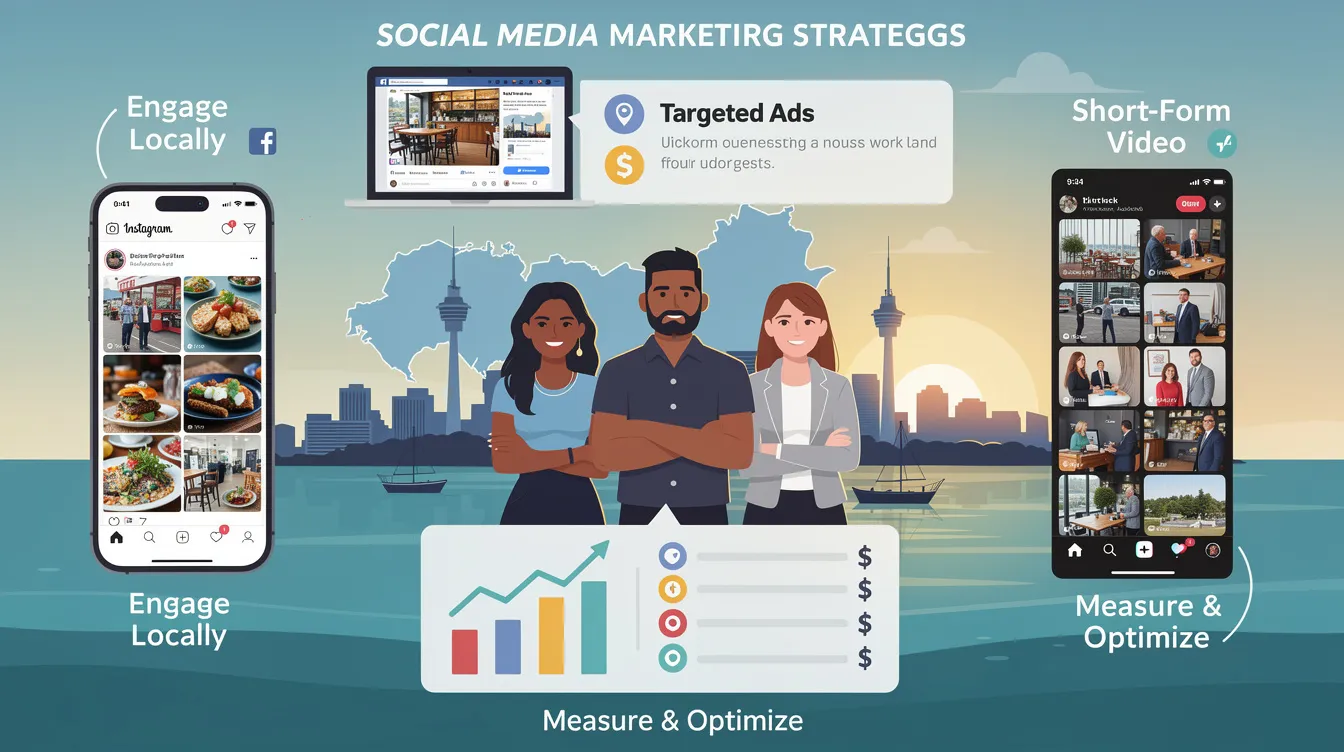
Small, targeted ad campaigns on Google, Meta, or LinkedIn can quickly increase awareness for specific offers. Start with modest daily budgets ($50-100), test variations of headlines and creatives, then reallocate to best performers.
Explore collaborations with influencers, niche creators, or complementary brands. Research shows 69% of consumers trust influencer recommendations. Track outcomes (new followers, website visits, new leads, sales) from each partnership to identify highest-ROI relationships.
Paid visibility works best when it amplifies strong organic content and a clear brand message, it’s not a standalone marketing strategy.
Growing a brand online is iterative: test, measure, adjust, repeat. Set a small set of core KPIs tied to brand growth:
Use Google Analytics 4, Google Search Console, platform insights, and basic social listening tools. Set up a monthly review routine to identify what content, channels, and campaigns performed best.
Make one or two clear changes per month based on these insights, refining messaging, shifting content frequency, or updating landing pages. This creates a competitive advantage through continuous improvement.
Quantitative signals to watch:
Qualitative signals that matter:
Compare performance across digital channels to identify where to double down. Not every metric improves at once, focus on trends over 6–12 months rather than daily fluctuations.
Building a successful online brand requires market understanding, strong identity, professional website, focused social presence, valuable content, SEO, email, and consistent measurement. These elements create a coherent brand strategy that compounds over time.
Most brands start seeing early signs of progress, traffic lift, engagement, first organic leads, within 3–6 months of consistent effort. Pick 2–3 actions from this guide to implement in the next 30 days instead of trying to do everything at once.
Brands willing to learn from data and keep refining their message build durable online equity over years, not weeks. Every piece of clear, consistent communication online is an investment in long-term brand value and customer relationships that drive traffic and sales.
Most small to mid-sized businesses start seeing measurable improvements (more search impressions, followers, and inquiries) after 3–6 months of consistent work. Becoming strongly recognizable in a niche often takes 12–24 months of ongoing content, SEO, and engagement efforts. Timelines vary by industry competition, budget, and how clear your initial positioning and offer are. Success requires patience and sustained effort.
Even micro and local businesses benefit significantly because customers routinely check Google Maps, reviews, and social profiles before visiting. A lightweight setup works well: Google Business Profile, simple website or landing page, basic SEO, and one main social channel. Strong local reviews and consistent NAP details (name, address, phone) can quickly differentiate you from nearby competitors. Research shows 70% of consumers check online presence before visiting local businesses.
Prioritize low-cost, high-impact basics: domain and branded email, simple website, Google Business Profile, and 1–2 social platforms. Focus on organic SEO and content instead of heavy paid advertising at the beginning, up to 80% of growth is possible through organic efforts alone. Reinvest early profits into better design, tools, or selective paid campaigns once your basic system proves it’s working.
Clearly state the specific customer problems you solve and your unique angle or methodology. Share real stories, examples, and behind-the-scenes details that competitors cannot easily copy. A distinct unique brand voice, clear point of view on industry issues, and consistent visual elements help your brand stand out naturally. Connect with your audience through authentic content rather than generic marketing speak.
Many small businesses successfully handle basics themselves using website builders, templates, simple SEO practices, and social posting at first. Consider specialist help for complex tasks like in-depth SEO, paid media management, brand identity design, or advanced analytics setup. Decide based on your available time, skill level, and the financial value of faster, more professional execution in your specific situation.