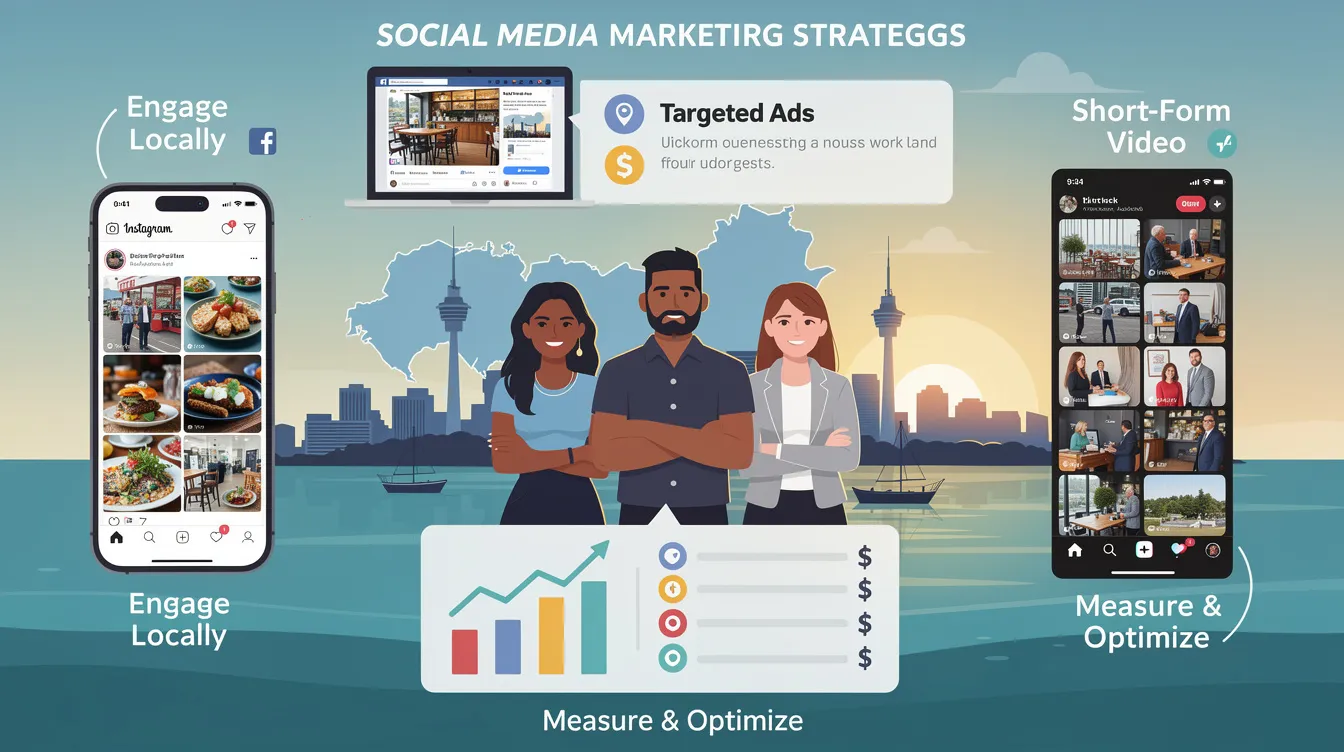

Social media marketing is all about using social media platforms to promote brands, products, and services through authentic and engaging interactions. It’s a way to connect with your target audience, build relationships, and increase brand awareness using various social channels like Facebook, Instagram, LinkedIn, and TikTok.

In simple terms, social media marketing is the process of creating content for social platforms to achieve your business goals. It includes everything from crafting a social media post to running a social media marketing campaign that generates leads and fosters customer engagement.
Social media has become one of the most powerful tools for business development. With millions of active users logging in daily, it offers businesses the chance to reach new audiences, drive website traffic, and encourage user participation.
A social media marketing strategy outlines how your brand will use social channels to meet business objectives. It defines your target audience, content types, posting frequency, and key metrics to track.
Before diving into social media efforts, it’s crucial to understand your business goals. Whether you’re aiming for audience growth, follower growth, or brand loyalty, defining objectives helps shape your social strategy effectively.
Your social media strategy should revolve around your target audience’s needs, interests, and preferences. Social listening tools can help uncover valuable insights into what your audience cares about most.
Not all social platforms suit every business. For example, LinkedIn is ideal for professional networking and B2B connections, while Instagram is perfect for visual content and young adults. Pick social channels that best align with your audience demographics and business priorities.
Creating engaging content is at the heart of social media marketing. Whether it’s short form video, educational content, or behind the scenes content, your brand voice should shine through every post.
Visual content such as photos, infographics, and videos performs exceptionally well across most platforms. These formats not only grab attention but also improve engagement rates and encourage user participation.
Organic social media plays a key role in building brand awareness. By consistently sharing valuable and relatable posts, you can attract loyal customers without relying solely on paid ads.
For a balanced approach, combine organic posts with targeted advertising. Social media ads allow advanced targeting features to reach specific demographics and interests, maximising your return on investment.
The 5 3 2 rule suggests sharing five pieces of content from others, three pieces of original content, and two personal or fun posts. It helps maintain variety and authenticity across your feed.
This rule focuses on a balanced posting strategy: five posts that educate, five that engage, and five that entertain. It encourages consistent and meaningful interactions with social media users.

The 30 30 30 rule means dedicating 30% of your efforts to promoting your brand, 30% to engaging with followers, and 30% to sharing content from others. It’s designed to create a healthy mix in your social strategy.
A social media marketing plan serves as a roadmap that outlines your posting schedule, content themes, and platform-specific approaches. It ensures all your social media efforts are aligned with business goals.
Meta Business Suite is a valuable tool for managing your Facebook page and Instagram accounts in one place. You can schedule posts, review insights, and track ad performance efficiently.
Maintaining a consistent brand voice across social channels strengthens recognition and trust. It helps audiences instantly identify your brand and fosters positive customer interactions.
Influencer marketing has become a key component of media marketing. Partnering with trusted creators on an influencer marketing platform allows brands to reach niche communities and generate leads effectively.
User generated content builds authenticity and community. Encouraging customers to share their experiences creates social proof and drives stronger engagement across social networks.
To prove social ROI, track key metrics like reach, impressions, engagement rate, and conversions. Measuring these results shows how effectively your strategy supports business growth.
Short form videos have transformed how social media marketers create posts. Platforms like Reels and TikTok allow brands to deliver quick, engaging content that captures audience attention instantly.
Community building is central to long-term success. Prompting conversations, responding to comments, and prioritizing social customer care all help foster relationships and encourage user participation.
Educational content positions your brand as a trusted source of information. Sharing tips, tutorials, and informative posts helps build credibility and nurtures loyal customers.
Social platforms offer advanced targeting features to deliver ads based on demographics, location, and interests. This form of targeted advertising maximises efficiency and helps achieve your business objectives.
Social listening tools track mentions and trends across social media. These insights guide your own strategy and reveal opportunities to improve your social media marketing campaign.
Using tools to schedule posts keeps your feed consistent and timely. Planning content ahead allows for better coordination with marketing strategy and smoother community management.
A marketing strategist ensures all media marketing activities align with broader business priorities. They analyse data, optimise performance, and refine tactics to reach business goals.
Social media is an excellent driver of website traffic. By sharing compelling social media posts with clear calls to action, brands can guide users directly to their brand websites.
Responding to comments and messages quickly leads to instant customer interaction and improved satisfaction. These actions foster relationships and strengthen your social media presence.
A successful social media strategy builds a distinct presence that reflects your values and voice. Consistent posting, active engagement, and quality content are key to standing out.
To create posts that resonate, focus on audience interests and preferences. Use conversational captions, relatable visuals, and storytelling to build a genuine connection with your target audience.
Each platform provides unique insights into performance. Reviewing platform specific data helps you adjust your approach to better meet audience expectations and improve results.
Customer feedback is a goldmine for improvement. It helps you understand what resonates, where to improve, and how to adapt your social media marketing plan for better engagement.
Social media thrives on participation. Hosting polls, challenges, or Q&A sessions encourages user participation and expands your community organically.
Social media plays a direct role in business development by generating leads and nurturing loyal customers. A strong social presence complements other marketing efforts for sustainable growth.
Niche communities are highly valuable for businesses with specific audiences. Focusing your efforts on these groups enhances relevance and boosts meaningful customer engagement.
A successful social media strategy isn’t static. Regularly reviewing data, analysing key metrics, and adapting your social strategy ensures continuous improvement and better social media ROI.
Australian audiences appreciate genuine communication. Balancing authenticity with professionalism helps maintain trust while keeping interactions friendly and down-to-earth.
Through consistent posting, responsive communication, and personalised experiences, social media marketers can turn casual followers into loyal customers who support long-term business growth.
Behind the scenes content shows the human side of your brand. Sharing office moments, production processes, or team highlights adds personality and strengthens your community connection.
Content and social media marketing go hand-in-hand. Great content fuels your social strategy, while social media amplifies content visibility across different social networks.
Valuable interactions go beyond likes and shares. When customers engage in discussions, provide feedback, or tag friends, it strengthens brand relationships and supports audience growth.
To achieve long-term success, your marketing strategy should align with overall business objectives. Every post, campaign, and conversation should contribute to your brand’s bigger picture.
Consistency in tone, visuals, and messaging across all social channels ensures a unified experience. This helps establish credibility and reinforces your brand identity.
Measuring social media ROI allows you to justify your social media efforts. Tracking conversions, engagement, and sales demonstrates how online activities contribute to tangible business results.
When customers share positive experiences, it boosts reputation and credibility. Encouraging satisfied clients to share testimonials or stories amplifies your reach across social networks.
Location based marketing allows brands to reach local audiences effectively. Using geo-targeted ads or posts helps attract customers nearby and strengthens community building.
Social media evolves quickly. Staying updated with emerging features, new platforms, and content trends helps your brand remain relevant and engaging.
A successful social media strategy combines creativity, data-driven insights, and genuine connection. By focusing on community management, customer engagement, and authentic storytelling, brands can increase brand awareness, generate leads, and achieve meaningful business growth.