PPC Marketing: What It Is, Why It Matters, and Main Types of PPC
Paid Advertising
September 3, 2026
When someone searches for “emergency plumber London” or “best CRM software 2026,” the first results they see are often paid advertisements. These businesses aren’t there by accident they’re using PPC marketing to appear exactly when potential customers are looking for their services.
Understanding how pay per click advertising works can transform how you acquire customers online. Whether you’re a small business owner testing your first ad campaigns or a marketing manager looking to refine your digital advertising strategy, this guide breaks down everything you need to know about PPC: what it is, why it matters, and the different types you can use to drive traffic and sales.
What is PPC marketing?
PPC marketing (pay-per-click marketing) is a digital advertising model where businesses pay a fee each time someone clicks on their ad. Instead of earning traffic organically through search engine optimization, you’re essentially buying targeted visits to your website, landing page, or app.
This ppc advertising model operates across multiple platforms and networks, making it one of the most versatile forms of online advertising available today.
Here’s what defines PPC in practical terms:
You only pay for engagement: Unlike traditional advertising where you pay for advertising space regardless of results, with PPC the advertiser pays only when a user clicks on the ad.
Ads appear on major platforms: PPC is used on Google Ads (formerly Google AdWords), Microsoft Advertising (Bing), Meta Ads (Facebook and Instagram), LinkedIn Ads, and other advertising platforms.
It became mainstream in the early 2000s: Google Ads launched the ppc platform concept that revolutionized digital marketing, and it’s now a core part of most marketing efforts.
It’s different from paying for impressions: With CPM (cost-per-thousand-impressions) models, you pay for views. With the ppc model, you pay when a potential customer actually clicks meaning you’re paying for action, not just visibility.
For example, if you run a local flower shop and bid on the keyword “same day flower delivery Manchester,” your text ads can appear at the top of search results when someone searches that phrase. You only pay when they click through to your site.
Why PPC marketing is important for businesses
PPC helps businesses of all sizes generate leads and sales quickly often within days of launching a campaign. Unlike organic marketing efforts that can take months to show results, ppc advertising work delivers immediate visibility and measurable outcomes.
Here’s why ppc marketing works so well for businesses across industries:
Immediate visibility on search engine results: Your paid search ads can appear at the top of the search engine results page for commercial keywords like “buy running shoes online” or “accounting software for startups” the moment your campaign goes live.
Complete budget control: You set your daily or monthly ad spend and maximum bid for each click. If something isn’t working, you can pause or adjust targeted campaigns anytime without long-term commitments.
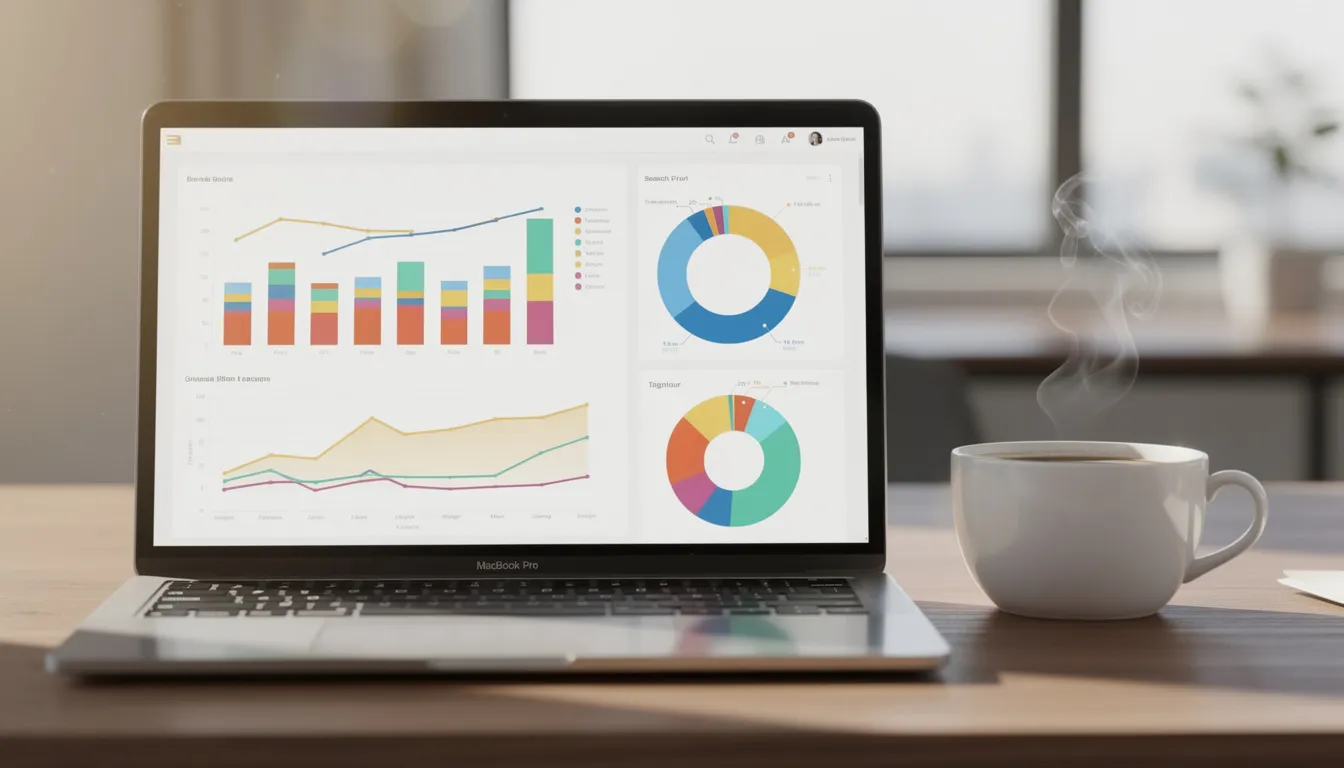
Everything is measurable: Every click, impression, conversion, and cost per click is tracked in real time. You can see exactly which relevant keywords and audiences are driving results, making it easy to calculate ROI.
Precision targeting capabilities: Create campaigns that target by keyword, location, device, time of day, demographics, interests, and past site behavior. This targeting precision means your ads reach target audiences most likely to convert.
Competitive advantage for small businesses: PPC lets smaller companies compete with larger brands on specific, high-intent search terms. A local accountant can outrank major firms for “tax advisor in Bristol” with the right strategy.
Quantifiable returns: Google reports that well-optimized Google Ads campaigns generate an average $2 in revenue for every $1 spent a 200% ROI when executed properly.
The average cost per click often falls around $1–$2 in many industries, while competitive legal and finance terms can exceed $50 per click. Understanding these ranges helps you set realistic expectations for your ad platform investment.
How PPC marketing works in practice
PPC platforms use an auction system where advertisers bid on keywords or audiences, and ads compete in real-time ad auctions whenever a user searches or browses. Understanding this bidding system is essential for running effective ppc campaigns.
Here’s how the process works step by step:
Keyword-based bidding: Advertisers choose search terms (like “best project management tool for teams”) and set a maximum bid per click. When someone searches using those terms, eligible ads enter an auction.
Quality Score determines relevance: Platforms like Google Ads use a quality score metric that evaluates your expected click through rate, landing page experience, and ad relevance. This score significantly impacts where your ads appear and what you actually pay.
Ad Rank decides position: Your ad rank is calculated by multiplying your bid by your quality factors. Higher ad quality can allow you to secure better positions with lower bids than competitors offering less relevant ads.
You pay the minimum necessary: In most ad auctions, you don’t pay your maximum bid you pay just enough to outrank the next competitor for that ad spot.
Post-click experience matters: After the click, users land on a dedicated landing page designed to convert that specific targeted traffic. This destination url should match the ad’s promise with a clear offer and call to action.
Example journey: A user types “wedding photographer Chicago 2026” into Google search. They see sponsored ads at the top of the search engine results. They click on one, landing on a portfolio page with an enquiry form. The photographer pays for that click, but if the landing page experience is strong, that click becomes a booking worth thousands.
Different types of PPC marketing
PPC isn’t a single format there are multiple types suited to different goals like leads, sales, brand awareness, or repeat purchases. Understanding each type helps you allocate your ad spend more effectively.
Here’s an overview of the main ppc ads formats:
Search PPC: Text-based ads that appear on search engine results pages when users search for specific keywords
Display PPC: Visual banner and image ads shown across websites and apps
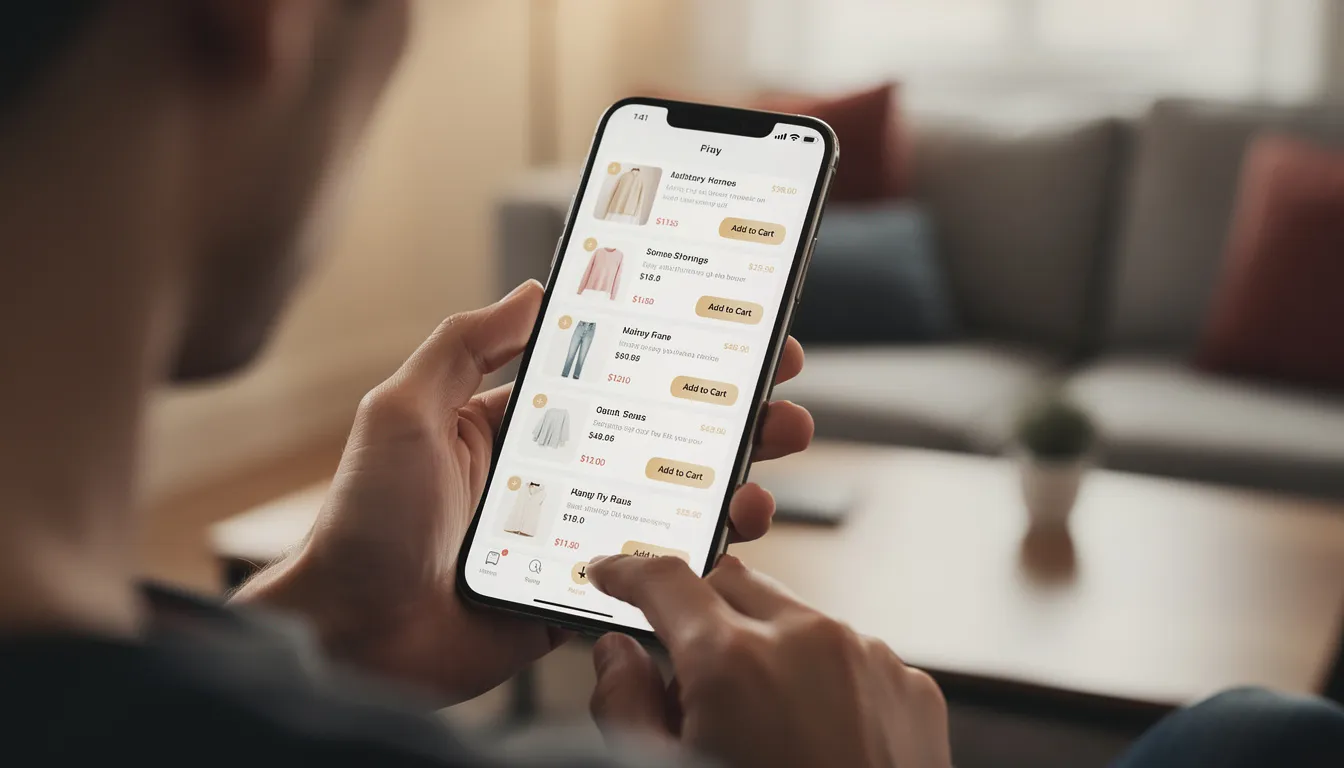
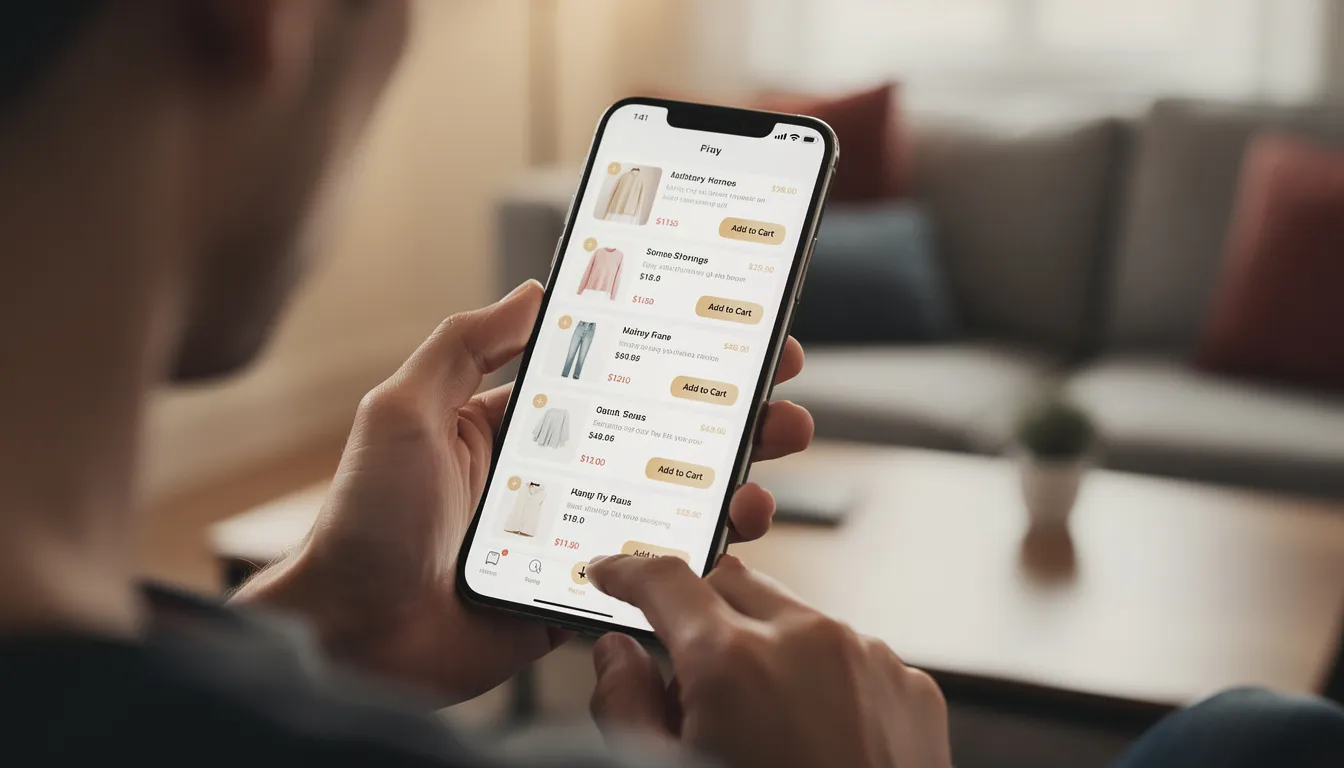
Shopping PPC: Product listing ads with images, prices, and ratings for e-commerce
Video PPC: Ads that run before, during, or after video content
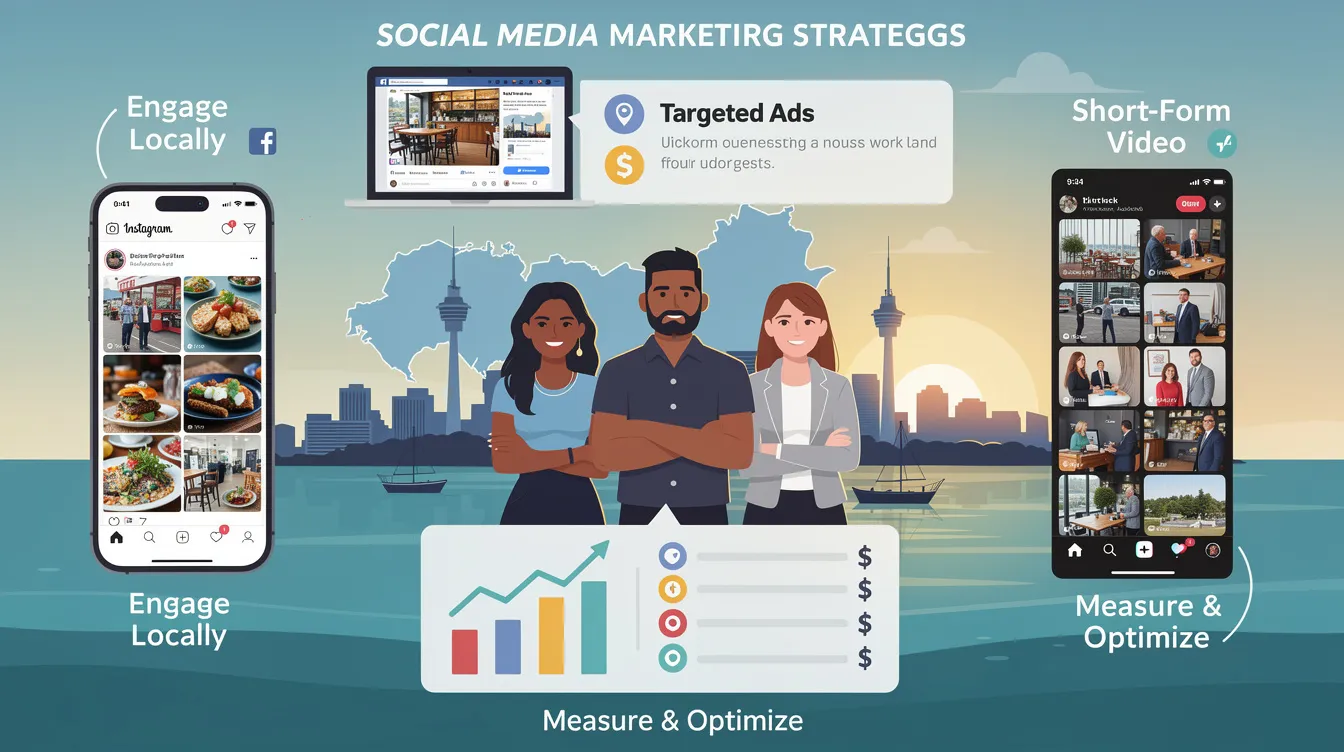
Social Media PPC: Paid ads on platforms like Facebook, Instagram, and LinkedIn
Remarketing/Retargeting: Ads targeting users who have previously interacted with your business
Many successful campaigns combine several PPC types for better performance along the full customer journey. Let’s explore each in detail.
Search PPC (paid search ads)
Search engine advertising through paid search represents the most common form of PPC. These search ads appear on search engine results pages like Google and Bing, usually above the organic results, marked with “Ad” or “Sponsored.”
Key characteristics of search engine marketing through paid search:
Triggered by keywords: Advertisers bid on search terms like “same day flower delivery” or “project management tool for teams.” Your keyword list directly determines when ads appear.
Text-based format: Ads typically show a headline, display URL, and short description tailored to the query. Strong ad copy with clear benefits drives higher click through rate.
High-intent traffic: Users actively searching for solutions have strong purchase intent, making search ppc often the highest-converting channel.
Multiple goal types: Common objectives include direct sales, lead generation, bookings, and phone calls through call extensions.
Negative keywords refine targeting: Adding negative keywords prevents ads from showing for irrelevant searches, reducing wasted spend.
Prioritize search PPC if you sell services or products that people actively search for. A user typing “buy running shoes size 10” has far clearer intent than someone casually browsing social media.
Display PPC (banner and visual ads)
Display PPC consists of image or rich-media ads shown across websites and apps in networks like the Google Display Network or Microsoft Audience Network. These visual ad formats reach users as they browse content across the web.
What makes display advertising different:
Audience-based targeting: Instead of specific search queries, you target based on audience segments, topics, website placements, or contextual signals.
Visual creative matters: Banner ads for a SaaS tool might appear on business blogs, or hotel promotions on travel sites. Eye-catching design with brand colors and clear calls to action is essential.
Upper-funnel focus: Display PPC excels at brand awareness, consideration-stage marketing, and re-engaging past visitors.
Lower CPCs, lower CTRs: Cost per click is often lower than search, but click-through rates are typically lower too, making creative quality and targeting critical.
Multiple ad formats: Options include static images, animated banners, and responsive display ads that automatically adjust to available advertising space.
Shopping PPC (product listing ads)
Shopping ads are product-focused PPC formats on platforms like Google Shopping and Microsoft Shopping, displaying product image, price, brand, and rating directly in search results.
Here’s what makes shopping ads unique:
Feed-based data: These ads pull information from a product feed (like Google Merchant Center) instead of manually entered ad copy for each item.
Visual product comparison: Users see the product and price before clicking, filtering out less interested shoppers and improving conversion rates.
E-commerce essential: An online fashion retailer promoting “men’s running shoes size 10” or an electronics store listing “4K TV deals 2026” can showcase inventory directly.
Optimization through feed quality: Success depends on clean product titles, high-quality images, accurate pricing, and structured data in your feed.
Peak season performance: Shopping PPC is crucial during high-volume periods like Black Friday and December holidays when purchase intent spikes.
Video PPC (YouTube and other video platforms)
Video PPC includes ads that run before, during, or after video content on platforms like YouTube (managed through Google Ads) and social platforms like Facebook and Instagram Reels.
Key video ad formats include:
Skippable in-stream ads: Users can skip after 5 seconds, so you only pay when they watch 30 seconds or interact
Non-skippable short ads: Brief 15-20 second spots that viewers must watch
In-feed video ads: Appear in YouTube search results or recommended video lists
Video PPC works best for:
Storytelling and demonstrations: A 30-second product demo before a popular tech review can showcase features better than text
Building brand awareness: Visual and audio elements create stronger brand recall
Driving specific actions: Clear calls to action like “Start your free trial today” can direct viewers to dedicated landing pages
The first 3–5 seconds are critical. Your hook must capture attention immediately before users skip or scroll away.
Social media PPC
Social PPC covers platforms like Meta Ads (Facebook and Instagram), LinkedIn Ads, X (Twitter), TikTok Ads, and Pinterest Ads. These social ads operate differently from search users aren’t actively looking for products, so your creative must interrupt and engage.
What defines social media advertising:
Audience-based targeting: Target by interests, behaviors, demographics, job titles, company size, and custom audiences from email lists or website visitors
Diverse ad formats: Options include image ads, carousel ads, collection ads, video ads, and lead form ads that collect details without leaving the platform
Mid-funnel strength: Social PPC excels at nurturing consideration, generating leads, and building ongoing brand visibility
Platform examples:
A B2B software campaign on LinkedIn targeting “Marketing Managers in the UK”
An online boutique running carousel ads showcasing multiple products on Instagram
A local restaurant promoting weekend specials to nearby Facebook users
Because users aren’t actively searching, your ad creative imagery, ad copy, and offer is especially critical for success.
Remarketing and retargeting PPC
Remarketing (or retargeting) serves ads to people who have already interacted with your business but haven’t converted yet. This might include website visitors, cart abandoners, or users who viewed specific products.
How remarketing works:
Tracking-based audiences: Platforms like Google Ads, Meta, or LinkedIn use tracking tags or pixels to build audiences based on user behavior on your site
Behavior-specific targeting: Show a discount ad to users who abandoned checkout in the last 7 days, or remind visitors about a whitepaper they viewed but didn’t download
Higher conversion rates: Because the audience already knows your brand, remarketing typically achieves stronger ROI than cold traffic campaigns
Multiple placement options: Remarketing ads appear as display banners, social ads, and through search remarketing lists (RLSA) with adjusted bids
Set frequency caps to avoid ad fatigue. Showing the same ad 50 times to someone who isn’t interested damages brand perception and wastes budget.
Key PPC platforms businesses should know
Different PPC platforms suit different goals and audiences. While many businesses start with Google Ads and then expand to other networks, understanding each platform’s strengths helps you allocate budget effectively.
Here’s an overview of the major platforms:
Google Ads: Dominant search platform with the largest reach
Microsoft Ads: Lower competition alternative for Bing and partner sites
Meta Ads: Visual storytelling across Facebook and Instagram
LinkedIn Ads: B2B-focused targeting by job title and industry
Google Ads
Google Ads is the largest PPC platform globally, covering Google Search, the Display Network, YouTube, Discovery, and Shopping campaigns. If you’re creating a google ads account for the first time, you’re joining the platform that defined modern search engine marketing.
Key aspects of Google Ads:
Market dominance: Google commands over 90% of search traffic in many countries, making it the default starting point for most ppc platform strategies
Campaign type variety: Business owners typically start with Search campaigns, then expand to Performance Max, Shopping, or YouTube based on goals
Quality-based pricing: Google Ads uses quality score and ad rank to decide placement and actual CPC, rewarding relevant, high-quality campaigns with lower costs
Precise local targeting: A dentist can run search campaigns limited to a specific city or radius, with call extensions enabled for immediate bookings
Microsoft Ads (Bing)
Microsoft Ads (formerly Bing Ads) is the PPC platform for Bing, Yahoo, and partner sites, offering similar keyword-based search campaigns to Google Ads.
Why consider microsoft ads:
Lower competition: Generally smaller audience but often lower CPCs, making it attractive for cost-conscious advertisers
Easy campaign import: You can import existing Google Ads campaigns to Microsoft Advertising with minimal changes
Desktop-heavy audience: B2B companies often find success here, as users on Microsoft Edge and Bing at work tend to be in professional settings
Logical expansion channel: Once you have positive results from Google Ads, microsoft advertising offers incremental reach at potentially lower costs
Meta Ads (Facebook and Instagram)
Meta Ads Manager controls PPC campaigns across Facebook, Instagram, Messenger, and Audience Network placements. This platform excels at visual storytelling and reaching users based on interests and behaviors.
What makes Meta Ads powerful:
Rich format options: Single image ads, carousel ads, Reels video ads, and lead generation forms that capture contact information without leaving the platform
Precise audience targeting: Target by interests, behaviors, lookalike audiences, and custom lists uploaded from CRM data
Visual-first approach: An online course provider can use lead forms to collect emails, while a fashion brand showcases multiple products in a carousel
Remarketing strength: Building custom audiences from website visitors and customer lists enables highly targeted follow-up campaigns
LinkedIn Ads
LinkedIn Ads is a B2B-focused PPC platform ideal for targeting professionals by job title, industry, seniority, company size, and skills.
LinkedIn advertising characteristics:
Professional audience: Target decision-makers like “CFO” or “IT Director” roles directly
Multiple ad formats: Sponsored content in the feed, Message Ads (sponsored InMail), text ads, and lead gen forms
Premium pricing: CPCs and CPMs are often higher than other platforms, but lead quality can be significantly better for B2B offers
High-value lead focus: Consulting firms promoting industry reports or SaaS companies targeting enterprise buyers find strong results here
LinkedIn is especially relevant for high-value deals where a small number of qualified leads matters more than large volumes of cheap clicks.
How businesses can start using PPC marketing
Getting started with PPC is manageable if approached methodically, even for small businesses with modest budgets. The key is starting focused and expanding based on what works.
Follow these steps to launch your first ppc campaigns:
Define clear goals: Determine whether you want leads, sales, traffic, or brand awareness. Your goals shape everything from platform choice to bidding strategy.
Choose 1–2 platforms to start: For most businesses, beginning with Google Ads or Microsoft Ads for intent-driven traffic makes sense. You can add remarketing and social PPC once the basics are working.
Set a test budget: Allocate enough for 30–60 days of testing. This gives you sufficient data to optimize without overspending on unproven approaches.
Conduct keyword research: Focus on specific, commercially-intent phrases. “Bookkeeping services for startups” is better than just “bookkeeping” because it signals buyer intent.
Build dedicated landing pages: Create pages optimized for conversions fast loading, mobile-friendly, clear offer, strong call to action, and simple forms. Never send PPC traffic to your homepage.
Create ads with clear value propositions: Write ad copy that highlights unique benefits, uses relevant keywords, and includes compelling calls to action.
Monitor and optimize continuously: Adjust bids, pause underperforming keywords, test new ad variations, and refine targeting based on performance data. PPC requires ongoing attention to maintain results.
Key takeaways
PPC refers to a digital advertising model where you pay only when someone clicks your ad, making it a measurable, performance-based marketing channel.
The ppc works through real-time auctions where your bid and ad quality determine ad placement and cost.
Different PPC types search, display, shopping, video, social, and remarketing serve different stages of the customer journey.
Google Ads remains the dominant platform, but microsoft ads, Meta, and LinkedIn offer valuable opportunities depending on your audience.
PPC marketing offers businesses immediate visibility and measurable results that organic methods simply can’t match in the short term. Whether you’re a business owner looking to generate your first leads or a marketing team scaling existing campaigns across multiple platforms, understanding how ppc advertising works gives you control over your customer acquisition.
The best keywords and targeting strategies come from testing and optimization over time. Start with a focused approach on one platform, track your results carefully, and expand your efforts based on data rather than assumptions.
Your next step is simple: define what success looks like for your business, set up a google ads account or your preferred ad platform, and launch a small test campaign. The insights you gain from real data will be worth more than any amount of theoretical planning.