
Running a small business in the New Zealand market has never been easy. Competition is increasing, customer expectations are changing, and digital platforms are evolving rapidly. Yet many small business owners still believe effective marketing requires massive investment, fancy reports, or a huge marketing team.
The reality is different.
The most successful examples of small business marketing NZ often rely on practical, low-cost strategies that build trust, attract local customers, and create long-term business growth. Kiwi consumers prefer transparency, authentic communication, and businesses that genuinely understand their needs.
A strong small business marketing strategy is not about being everywhere. It is about choosing the right channels, understanding your target audience, and focusing your marketing efforts where they generate real data and measurable results.
This guide explains the most effective marketing strategies for New Zealand businesses and how to use them to reach customers, improve conversion rates, and generate more sales.
The New Zealand market has unique characteristics compared with larger global markets. Consumers in New Zealand value local relationships, trust, and community reputation. Word-of-mouth recommendations remain one of the most powerful forms of marketing.
Many local businesses succeed because they focus on authentic engagement instead of overly polished advertising campaigns. Kiwi consumers are highly influenced by customer testimonials, local search results, and online reviews before making purchasing decisions.
This creates a huge opportunity for small business owners willing to invest in practical, community-driven digital marketing strategies.
Key trends shaping the zealand market include:
Businesses that adapt to these unique challenges can outperform larger competitors with smaller marketing spend.
Before investing in advertising, SEO, or social media marketing, define your marketing goals clearly.
Every successful marketing strategy begins with measurable business goals.
Your objectives should follow the SMART framework:
SMART goals help small business owners focus their marketing efforts and avoid wasting budget on ineffective campaigns.
One of the biggest marketing mistakes is trying to reach everyone.
Understanding your target audience is critical for effective small business marketing.
Businesses should create detailed buyer personas that include:
Empathising with your ideal customers allows you to create messaging that resonates emotionally and practically.
For example, a local fitness studio targeting busy professionals in Auckland requires completely different messaging compared with a family-focused café in Christchurch.
Audience segmentation improves marketing effectiveness dramatically.
Instead of sending the same message to everyone, divide your customers into smaller groups based on:
This allows businesses to create personalised campaigns that improve engagement and conversion rates.
Segmented marketing also helps improve email marketing performance, social media engagement, and paid advertising results.
Your unique selling point explains why customers should choose your business over competitors.
Many other businesses offer similar products or services. Your USP helps you stand out.
Effective USPs often focus on:
Clear, customer-centric messaging converts more potential customers into paying customers.
A practical marketing plan does not need to be overly complicated.
Your plan should include:
The best small business marketing strategy is often simple, consistent, and focused.
Many businesses fail because they constantly switch strategies instead of improving what already works.
Every small business in New Zealand needs a virtual presence.
At minimum, businesses should have:
Most local buying journeys now begin on smartphones. Customers search online before deciding where to buy.
Without a visible online presence, businesses lose opportunities to competitors appearing in local search results.
Your website should not simply look attractive. It should generate leads and sales.
Important website features include:
A confusing website reduces trust and harms conversion rates.
Businesses should regularly analyse website visitors to identify user behaviour and improve performance.
Search engine optimisation remains one of the most cost-effective long-term marketing investments.
SEO helps businesses appear higher in search engines when customers search for relevant products or services.
Benefits of search engine optimisation seo include:
Good SEO involves:
Businesses that ignore SEO often struggle to compete online.
Local SEO is especially important for New Zealand businesses targeting nearby customers.
When customers search terms like:
Google prioritises local businesses.
Important local SEO steps include:
Winning local search results can significantly increase foot traffic and enquiries.
A Google Business Profile is one of the most powerful free marketing tools available.
It helps businesses appear in:
An effective profile includes:
Kiwis heavily rely on Google when evaluating local businesses.
A well-optimised profile improves visibility and trust.
Strong keyword research helps businesses understand what customers are searching for online.
Instead of guessing, businesses can identify:
This helps improve:
Using the right keywords increases organic traffic and improves overall marketing success.
Content marketing builds authority, trust, and search visibility.
Effective content types include:
Kiwi consumers respond better to educational content than aggressive sales messaging.
Content should focus on solving customer problems and answering common questions.
This strategy improves SEO while building brand credibility.
Many businesses waste time trying to dominate every social platform.
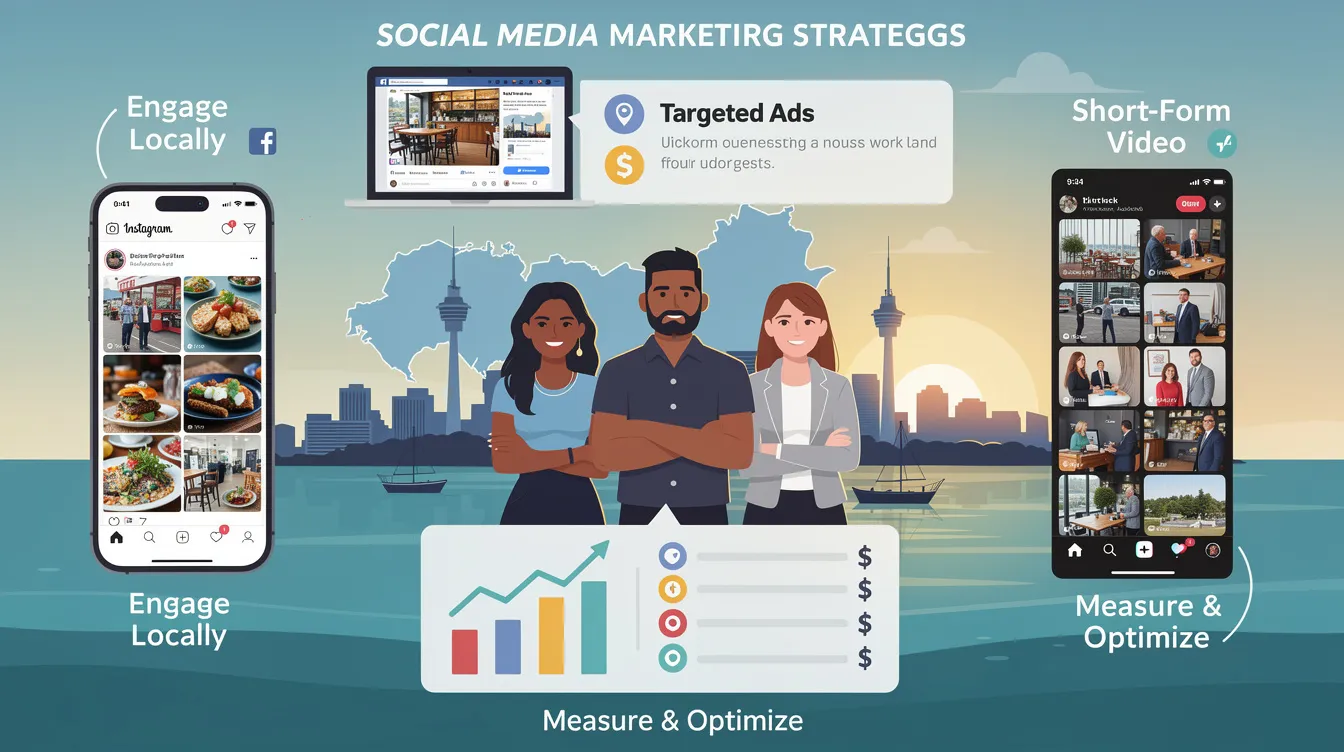
Effective social media marketing focuses on 1–2 key platforms where the target audience spends time.
Posting valuable content consistently works better than constant hard-sell promotions.
A smaller engaged audience is more valuable than a huge inactive following.
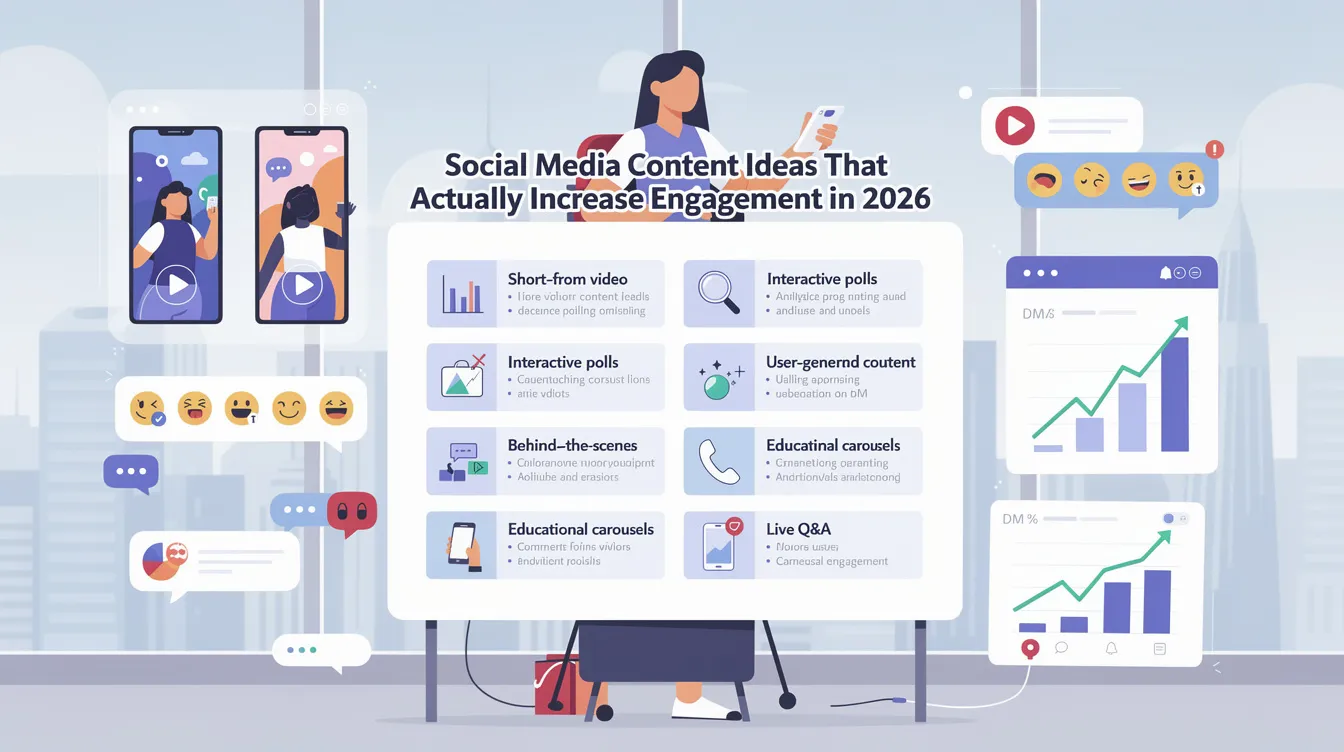
Strong social media content includes:
Kiwi audiences prefer real, transparent content over overly produced campaigns.
Authenticity drives stronger engagement and loyalty.
Managing multiple platforms manually can become overwhelming.
Tools like:
Help businesses:
Automation allows small businesses to maintain consistency even with a tight budget.
Email marketing continues to deliver exceptional ROI.
Research consistently shows that businesses can earn approximately $36 for every $1 invested in email marketing.
Effective email marketing strategies include:
The ideal frequency is usually 5–8 emails per month.
Businesses should avoid spammy sales-heavy messaging.
Retaining existing customers is far cheaper than acquiring new customers.
Retention marketing improves lifetime customer value and increases profitability.
Retention strategies include:
Loyal customers also generate valuable word-of-mouth referrals.
Bundling products or services increases average transaction value.
Examples include:
Businesses can also offer incentives like:
These strategies encourage repeat business and improve more sales opportunities.
Customer testimonials are incredibly influential in New Zealand.
People trust genuine customer experiences more than traditional advertising.
Businesses should display testimonials on:
Video testimonials often improve trust even further
Google Ads can deliver fast results when managed properly.
However, many small businesses waste money targeting the wrong audience.
Successful paid advertising requires:
Businesses should fine tune campaigns regularly using real data rather than assumptions.
Your marketing budget should align with business size and growth goals.
Many businesses allocate between 1–10% of revenue toward marketing.
A small budget can still produce strong results when spent strategically.
Prioritise:
Avoid chasing every trend or platform.
Cross-promotions with complementary local businesses can expand visibility quickly.
Examples include:
These partnerships help businesses reach customers without massive advertising spend.
The “Kiwis supporting neighbours” mindset remains powerful.
Supporting local charities, schools, sports teams, and community events builds goodwill and visibility.
Community involvement strengthens brand reputation and increases trust among local customers.
For location-dependent businesses such as:
Flyer distribution can still work effectively.
Targeted delivery to nearby neighbourhoods helps businesses generate local enquiries affordably.
This works especially well when combined with local SEO and Google Business Profile optimisation.
Effective marketing depends on measurable performance.
Businesses should monitor:
Tracking allows businesses to identify what works and eliminate ineffective campaigns.
Avoid relying solely on vanity metrics like followers or impressions.
Competitor analysis reveals opportunities and weaknesses in your industry.
Review competitor:
This helps businesses identify gaps and differentiate themselves more effectively.
Marketing trends change constantly.
Businesses should regularly review:
Flexibility allows businesses to stay competitive and relevant.
Micro-influencers often outperform celebrities for local marketing.
They typically generate:
New Zealand audiences respond positively to relatable local personalities.
Strong branding improves recognition and trust.
A successful brand includes:
Brand consistency strengthens long-term business growth.
Customers should immediately understand:
Confusing messaging reduces conversions.
Clear communication improves customer confidence and increases enquiries.
Not every marketing channel deserves equal attention.
Small businesses should focus on channels that generate measurable results.
For most New Zealand businesses, high-impact channels include:
Concentrating efforts produces better outcomes than spreading resources too thinly.
Successful marketing focuses on customer problems, not business features.
Businesses should communicate:
Empathy-driven marketing builds stronger emotional connections.
Automation tools help businesses:
Automation reduces workload while maintaining consistent customer communication.
Marketing success rarely happens overnight.
Consistency matters more than short bursts of activity.
Businesses that post regularly, optimise continuously, and engage consistently achieve stronger long-term results.
Many businesses struggle because they:
Avoiding these mistakes significantly improves marketing performance.
The best small business marketing NZ strategies are practical, measurable, and customer-focused.
Small business owners do not need huge marketing budgets to succeed in the New Zealand market. They need clarity, consistency, and an understanding of local customer behaviour.
By combining:
businesses can build sustainable growth while keeping marketing spend under control.
The most successful marketing strategies are those that genuinely help customers, communicate clearly, and build trust over time.
In the evolving world of small business marketing, businesses that stay authentic, adapt quickly, and focus on real customer value will continue to outperform competitors and achieve long-term success in New Zealand.