
Before diving into the details, it’s essential to understand the content marketing definition. Simply put, it’s the process of creating and distributing relevant content designed to attract and engage a clearly defined audience. The goal? To drive profitable customer action without relying on traditional advertising.
In simple terms, content marketing is about creating helpful, informative, and engaging material that earns trust. It’s not about the hard sell. Instead, it’s about giving people valuable insights that make them more likely to choose your business when they’re ready to buy.
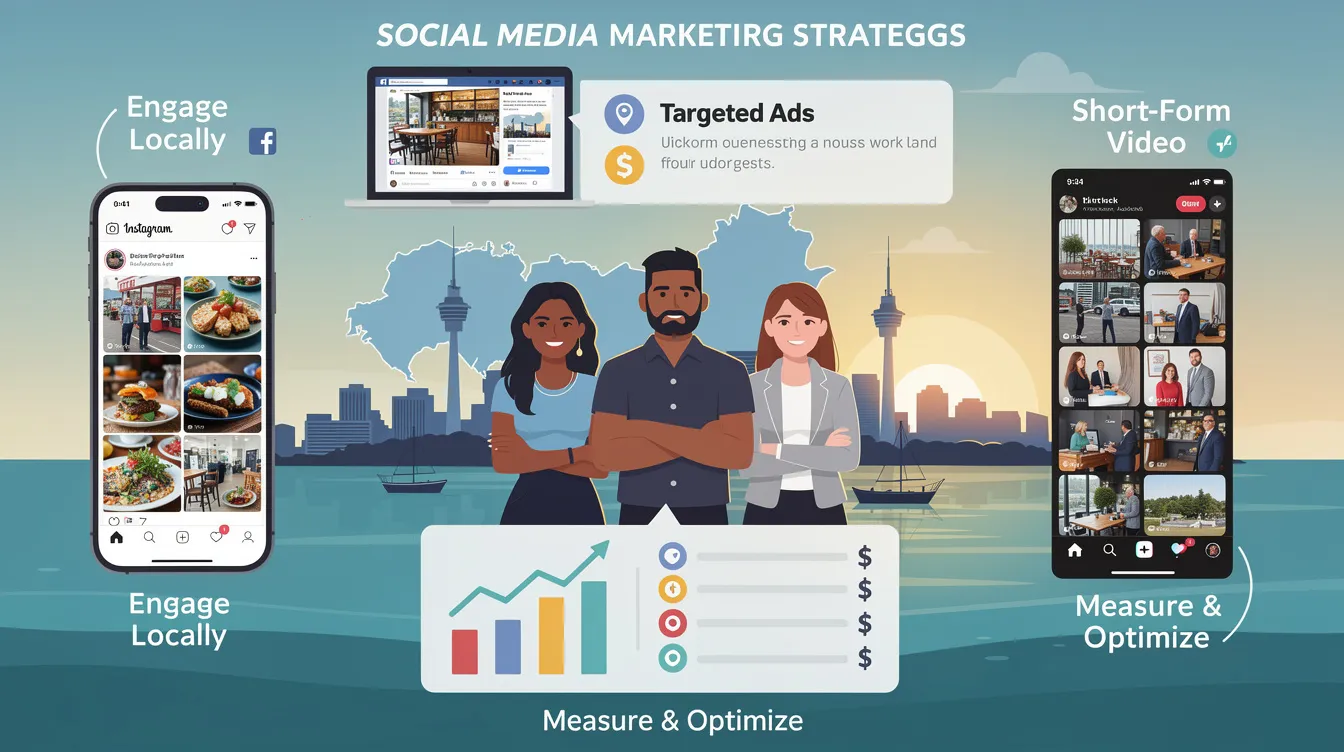
While social media marketing focuses on sharing posts, images, and updates to boost engagement, content marketing covers a wider approach. It includes blog posts, video content, and interactive content shared across multiple social media platforms and websites.
Every digital marketer knows that modern audiences are tired of traditional ads. Instead of being sold to, they want to learn and engage. That’s where content and marketing come together—helping businesses attract potential customers by providing something useful.
The main content marketing aims include:
A content marketing strategy serves as your roadmap. It defines your business goals, identifies your target audience, and outlines how you’ll create content to meet their needs.
A successful content marketing strategy relies on consistency, planning, and measurable goals. Businesses that succeed usually have a documented strategy, clear messaging, and a content calendar to guide content creation.
Content marketers are professionals who plan, produce, and manage content across various channels. They ensure every piece aligns with business goals, key performance indicators, and audience expectations.
There are several types of content marketing, including:
Each format serves a unique purpose within the overall marketing strategy.
Blog posts remain one of the most effective ways to educate and engage audiences. They help boost search engine optimization, improve online visibility, and position a brand as an industry leader.

Video content is rapidly dominating digital spaces. It helps communicate complex ideas easily, captures attention faster, and increases social media engagement across social media channels.
Social media accounts are key distribution points. Platforms like Facebook, Instagram, LinkedIn, and TikTok allow marketers to deliver content directly to audiences while encouraging discussion and feedback.
Images, infographics, and interactive media help explain complex data in digestible ways. Visual content keeps audiences engaged longer and increases retention rates, making it vital to any content strategy.
User generated content, such as customer reviews or social posts, builds credibility. It gives potential customers authentic insights into real experiences, strengthening trust and brand visibility.
No marketing strategy is complete without analytics. Tracking key performance indicators (KPIs) helps determine what’s working. Common metrics include website visits, engagement rates, conversions, and lead generation numbers.
Search engines like Google reward high quality content that answers user intent. By producing relevant content, businesses can appear higher in results and generate leads naturally through search engine optimization.
Content marketing, unlike traditional advertising, focuses on trust-building and long-term value rather than quick sales. Traditional ads may interrupt audiences, while content attracts them organically.
Every piece of content should match a stage of the customer journey—awareness, consideration, or decision. This alignment ensures your message resonates and moves prospects through the marketing funnel.
A content marketing platform helps teams manage, schedule, and analyse their content. It streamlines content creation, improves collaboration, and ensures a consistent publishing schedule.
According to the Content Marketing Institute, brands with a documented strategy are more likely to see success. Having a plan ensures your marketing efforts are organised and measurable.
A content calendar helps plan when and where to post. It ensures teams are consistently producing content across all social media platforms and blog channels without overlapping topics.
Effective content attracts visitors, builds trust, and turns them into leads. By offering helpful content that solves problems, businesses can guide users through the sales funnel.
From awareness to purchase, the buyer’s journey is influenced by content marketing efforts. Each piece of content should move the user closer to making a decision.
Performing a content audit helps identify content gaps in your strategy. By analysing existing material and comparing it to industry trends, you can uncover opportunities for improvement.
Producing high quality content requires understanding your audience’s needs and addressing them with clarity. Quality always outweighs quantity—it’s about impact, not word count.
Good content simplifies. Whether you’re dealing with technical topics or complex data, the aim is to make it digestible for readers without losing meaning.
Consistent content marketing efforts boost brand awareness by keeping your message visible across digital touchpoints. Over time, audiences associate your brand with reliability and expertise.
Every blog, video, or post should support larger business goals. Whether the aim is to generate leads, increase traffic, or enhance reputation, content bridges the gap between brand and customer.
Publishing expert opinions, marketing reports, or commentary on industry trends establishes credibility. It positions your business as an industry expert and helps build long-term trust.
A well-executed strategy yields measurable content marketing ROI. With the right approach, you’ll see returns in traffic, conversions, and brand visibility that exceed paid ads alone.
Examples include blog articles, YouTube tutorials, or educational posts on LinkedIn. Each demonstrates content marketing in action, showing how engaging content influences potential customers.
A content marketer wears many hats: strategist, writer, analyst, and creative thinker. They manage the full cycle—from ideation to publishing—ensuring marketing efforts align with results.
The 7 A’s are:
These guide brands in developing meaningful customer relationships.
The 5 C’s stand for:
These principles ensure content hits the mark every time.
Another key framework—the 4 C’s—include:
They keep strategies customer-centric and results-focused.
The 3 C’s—Create, Curate, and Circulate—emphasise producing valuable material, sourcing from others when relevant, and sharing it effectively.
Google Trends helps content marketers discover what’s trending, guiding them to topics with high search interest. It’s invaluable for shaping future content marketing efforts.
Tools like CMS platforms streamline content creation and publishing. A reliable content management software helps marketers organise workflows, store assets, and schedule updates efficiently.
Search engine optimization and content marketing go hand in hand. SEO ensures your material is discoverable, while quality content ensures visitors stay engaged once they arrive.
Inbound marketing draws people in with valuable, educational content instead of pushing traditional advertising. It’s the essence of modern content marketing strategy.
After creation comes distribution. Sharing material across websites, email, and social media channels maximises reach and ensures messages resonate with different audience segments.
Producing content is only part of the equation. Tracking performance through analytics dashboards and marketing reports shows what’s driving results—and where to adjust.
When brands consistently publish engaging content that educates, they become recognised industry leaders. This trust drives more traffic, more leads, and long-term success.
Digital marketing amplifies your message through paid promotions, retargeting, and collaborations. It ensures your content gets seen by the right people at the right time.
No matter the size of your company, a structured content strategy ensures your marketing efforts are cohesive and consistent. It helps achieve better results and a profitable customer action.
To create content that converts, focus on authenticity, clarity, and value. Address real customer pain points and provide practical solutions rather than pushing products.
Emerging technologies like AI and automation will continue shaping content marketing. However, the foundation remains the same—human connection and genuine storytelling.
In today’s competitive landscape, content marketing isn’t just a nice-to-have—it’s essential. With a strong content marketing strategy, consistent content creation, and insight-driven planning, businesses can boost brand awareness, generate leads, and drive profitable customer action that lasts for the long haul.