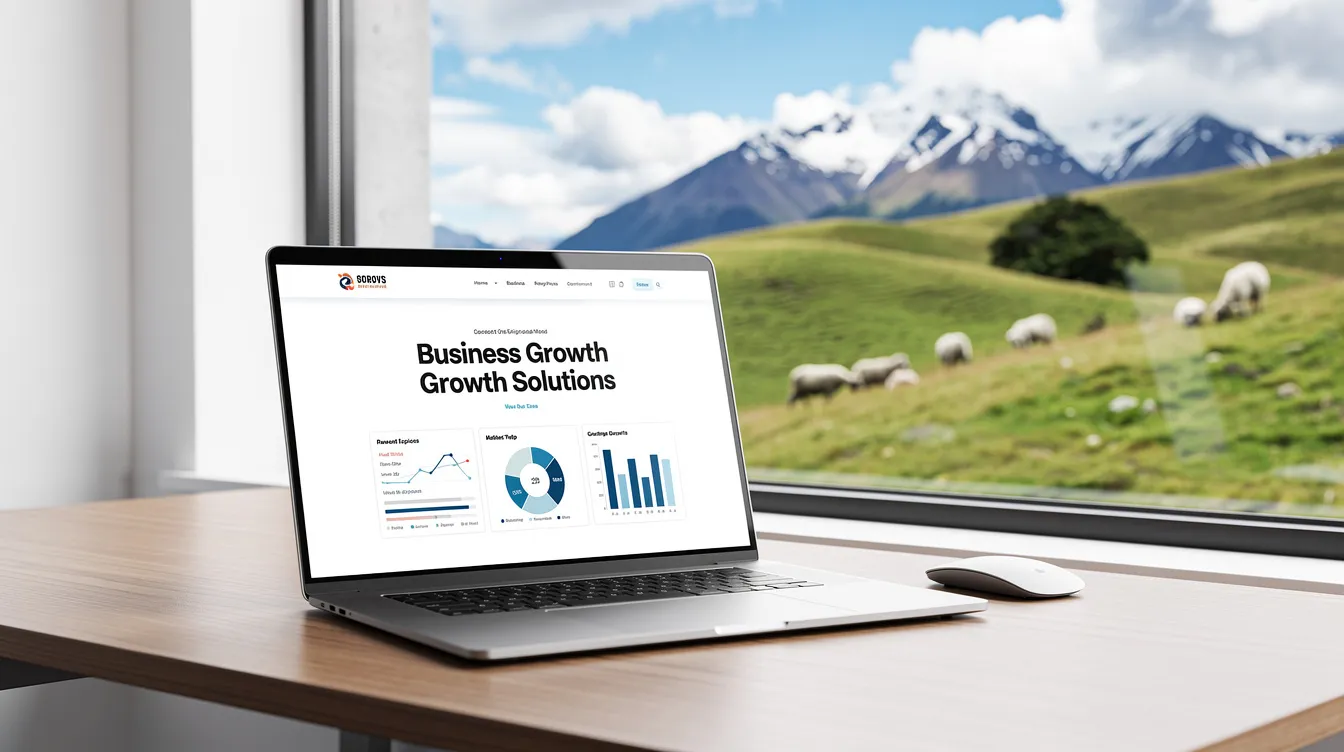

In 2026, your professional website is your 24/7 sales rep, receptionist, and credibility checker rolled into one. For New Zealand customers, it’s often the first point of contact-and increasingly, the deciding factor in whether they pick up the phone or move on to a competitor.
A strategic website isn’t just an online brochure that sits there looking pretty. It should actively:
Kiwi consumers check Google and online reviews before calling any local tradie, cafe, or professional service. If your site is slow, confusing, or missing entirely, you’re losing business to competitors who’ve invested in a good website.
Mastering business website design NZ-wide gives both small business owners and established brands a genuine competitive edge.
The missed opportunity is staggering. Local customers searching for “plumber in Albany”, “electrician Christchurch”, or “accountant Tauranga” never find businesses without a performant digital presence.
Consider a suburban electrician with no website. Even in smaller towns, Google search volumes for local services run into dozens or hundreds per week. Without a site, that tradesperson loses enquiries to competitors every single week-often without ever knowing it.
A strategic website becomes the central hub connecting all your marketing channels: Google Ads, social media, email campaigns, and offline referrals all drive traffic back to one place.
Your site should fulfil these core roles:
For e commerce businesses, the site is also your main storefront-handling catalogues, payments, order tracking, and customer service 24/7. Using familiar payment methods is particularly important for New Zealand consumers who expect local options.
Any business website design NZ project must be planned around measurable business goals, not just aesthetics. A beautiful site that generates zero enquiries is an expensive decoration.
The first step in any website design project is deciding what a “win” actually looks like for your company.
Without a defined purpose, sites become generic brochures that don’t generate leads or drive sales. Your website’s job should drive every decision: layout, content, essential features, and even which web design company you choose.
This applies across typical NZ sectors-tradies, professional services, tourism operators, retail stores, and online-only e commerce brands all need different outcomes from their sites.
Each business needs one or two primary conversion goals tracked through analytics. Quantify your targets: “20 extra enquiries per month” is far more useful than vague aims like “look more modern.”
Defining these goals upfront keeps the project on budget and prevents feature creep. When you know exactly what success looks like, it’s easier to say no to unnecessary additions that blow out timelines and costs.
Create a simple customer profile before diving into design:
Your language, imagery, and offers should reflect New Zealand culture. Use NZ spelling, display prices in NZD, and consider using high-quality photos that reflect NZ scenery to enhance authenticity.
A professional website becomes far more effective when built for a single clear target audience instead of trying to appeal to “everyone in New Zealand.”
This section serves as your checklist for every New Zealand business website, regardless of industry.
These features cover performance, credibility, usability, and compliance-all non-negotiable in 2026. Whether you’re using WordPress, Shopify, Rocketspark, Webflow, or any other content management system, these fundamentals apply.
Over 70% of web traffic in New Zealand is mobile. Over 80% of Kiwi users browse on phones, making mobile optimisation absolutely essential for customer engagement and Google rankings.
Your website must be mobile friendly from the ground up-not a desktop site awkwardly squeezed onto a smaller screen size.
Key requirements:
Research shows that nearly 90% of people won’t return to a site after a single bad experience. Google rankings and paid ad performance in NZ are directly affected by Core Web Vitals and page speed-fail these metrics and you’ll struggle to compete.
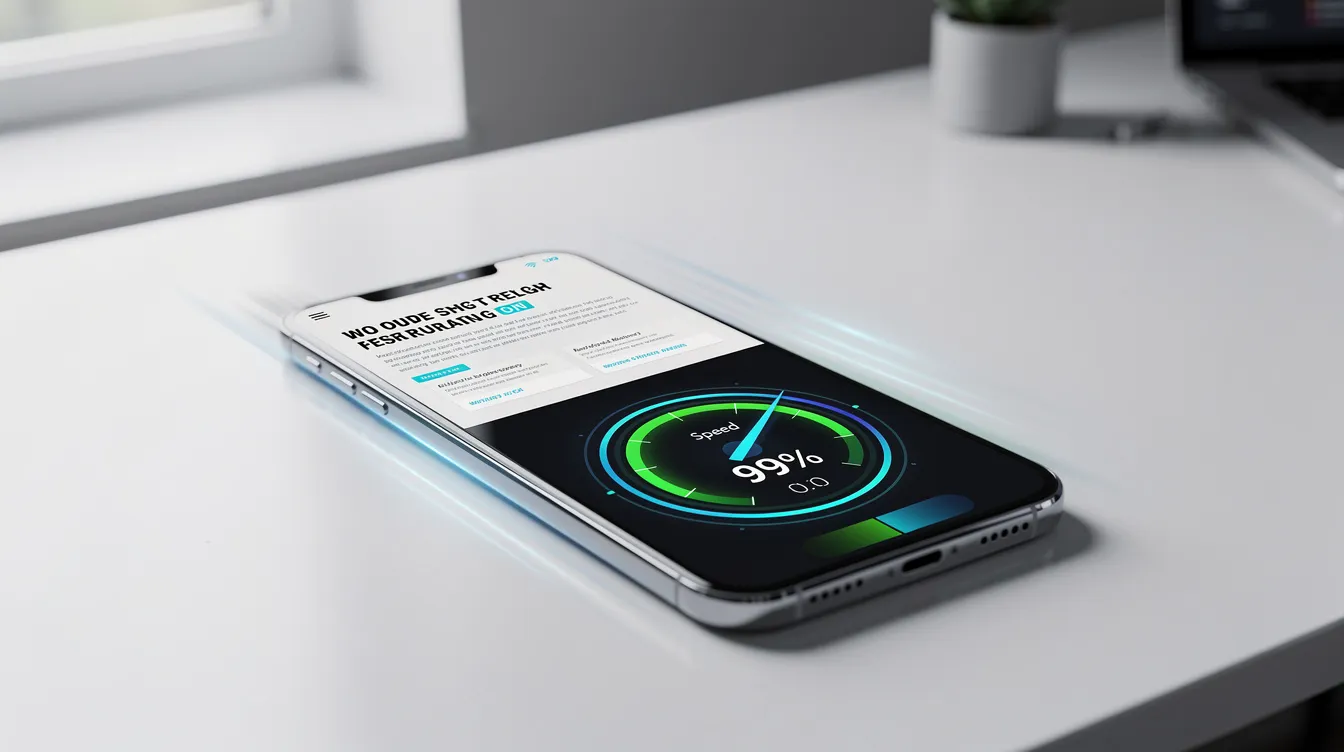
Visitors must immediately understand who you are, what you do, and where you operate in NZ. A well-designed website should include clear messaging to build instant trust with visitors, as this is crucial for converting them into potential customers.
Above the fold, include:
Trust signals matter enormously to Kiwi buyers:
High-quality imagery is essential for a business website. Professional photos build credibility and trust with potential customers far more effectively than blurry phone snaps or obvious stock photography. Using high quality photos featuring real NZ scenery and your actual team enhances authenticity.
Consistent logo design, colours, and typography help new visitors remember and trust your brand across every touchpoint.
Beautiful websites should never sacrifice clarity. A website must be user-friendly, featuring intuitive navigation and accessible information to enhance the user experience and guide visitors to their desired actions.
Keep navigation labels simple and familiar:
Avoid clever but confusing headings that make visitors work to understand your site structure.
For small business owners, a few practical tips:
For e commerce sites, simple category structure, search functionality, and checkout flow are more important than flashy visuals. Display nicely organised products with clear pricing and delivery information.
Your phone number, email, and contact or booking buttons should be visible on every key page-especially on mobile devices where users expect instant action.
Essentials include:
Clear calls to action improve user engagement on websites significantly. Guide visitors toward the action you want them to take, whether that’s calling your team, requesting a callback, or completing a purchase.
Consider live chat or messaging options for professional services and online stores where customers often have questions before committing. This can turn hesitant browsers into loyal customers.
A modern business website design NZ project doesn’t end at launch-it requires ongoing website maintenance to remain secure, fast, and effective.
Essential maintenance includes:
New Zealand’s Privacy Act 2020 requires transparency about how personal information is collected, stored, and used. Your site needs proper privacy statements, cookie notices, and-for e commerce-clear terms covering refunds, shipping, and GST.
Ignoring website maintenance leads to hacked sites, downtime, and lost leads. Fixing security breaches or recovering from attacks costs far more than ongoing preventive care ever would.
Local SEO is the process of helping your professional website show up when people nearby search on Google. A well-optimised website can significantly improve a business’s visibility on search engines, making it easier for potential customers to find them online.
For most New Zealand businesses-especially service-based and bricks-and-mortar operations-local SEO often yields better ROI than broad national targeting. Smart local SEO helps small businesses compete with larger brands on a more level playing field.
Local SEO strategies are essential for small businesses to ensure they appear in search results when potential customers are looking for services in their area. Consider SEO during website design, not as an afterthought.
A Google Business Profile (GBP) is your free listing that appears in Google Maps and the local “map pack” when people search for businesses like yours.
For local searches like “dentist Dunedin” or “panel beater Napier”, a strong Google Business Profile plus a great website drastically improves visibility.
Complete your profile with:
Regularly upload fresh photos and posts to keep your listing active and engaging. A complete GBP listing with photos typically receives around 200 interactions monthly, translating to approximately 105 website visits.
Your website pages should target specific city or suburb phrases that your local customers actually search for.
Include local keywords naturally in:
For example: “website design Auckland”, “electrician Wellington CBD”, or “florist Mount Maunganui.”
Using a .nz or .co.nz domain signals a local business presence to both search engines and customers. Registering a .co.nz or .nz domain helps with search engine ranking and builds local trust-74% of Kiwis believe a .nz domain is more trustworthy than alternatives.
Use New Zealand English spelling, display NZD pricing, and include local contact details throughout.
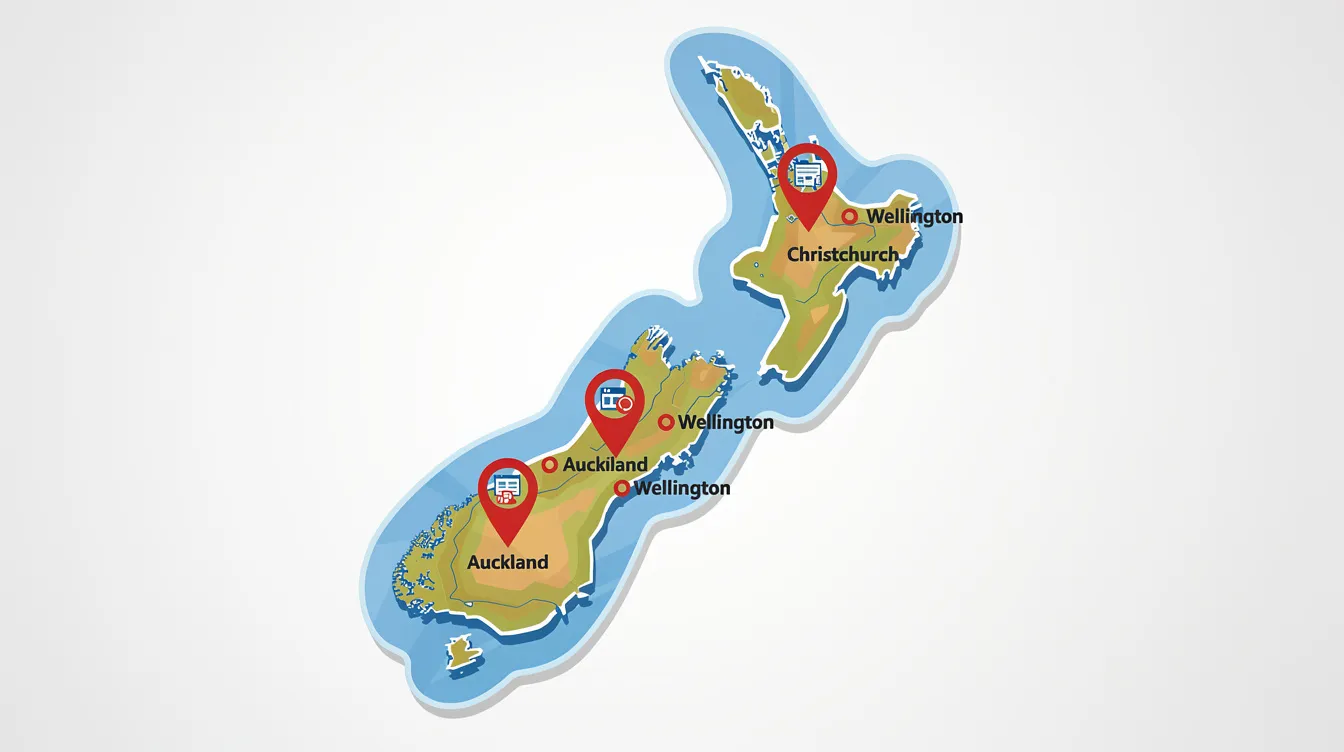
For multi-branch businesses, create location-specific landing pages (Auckland, Christchurch, Tauranga) rather than one generic “we serve all of NZ” page.
Positive Google reviews from real New Zealand customers strongly influence both rankings and conversion rates. When potential customers see that others in their area have had great experiences, they’re far more likely to pick up the phone.
Simple ways to request reviews:
Respond professionally to both positive and negative reviews. This shows future visitors that your business is accountable and cares about customer experience.
Showcase reviews, testimonials, and case studies on your website itself (with permission). This social proof reinforces trust for visitors who may never check your Google listing directly.
Website design pricing in New Zealand depends on complexity, content volume, and level of strategy involved.
Your website should be viewed as a business asset, not just a cost line item. A high performance website can generate leads and more sales for years, delivering returns that far exceed the initial investment.
DIY platforms (Rocketspark, Wix, Squarespace) suit startups with tiny budgets or sole traders testing an idea. They’re affordable but limited in SEO customisation, speed optimisation, and strategic flexibility.
Local freelancers can deliver custom designs at moderate cost. However, they may have limited capacity for ongoing support, digital marketing integration, or long-term development.
A full-service web design company typically offers:
A development team at an established agency brings combined expertise that’s difficult to match with a solo website designer. Choose based on your complexity, growth plans, and whether you need an ongoing strategic partner rather than a one-off build.
A small or medium-sized business looking for a standard website of around 5 or 6 pages shouldn’t pay more than $2,000 for a basic template build, although many web designers may charge above this.
For a professional lead-generation website in New Zealand, built with a clear strategy for SEO and conversions, you should budget between $5,000 and $12,000.
Ultra-cheap offers often exclude strategy, SEO, content writing, and proper testing-leading to poor tangible results. The cheapest option rarely delivers the best value.
A well-converting new website can quickly repay its investment. One Auckland consulting firm spent approximately $7,500, achieved a PageSpeed score of 92/100, reached first-page rankings within three months, and generated 14 qualified enquiries in one quarter-more than they’d received in three years with their old site.
Beyond the initial build, expect these ongoing costs:
Ask about hourly rates for future changes and technical fixes before signing any agreement. Transparent pricing avoids surprises 12-24 months after launch.
Planning for these costs upfront means your site stays secure, fast, and effective-rather than slowly degrading until it needs expensive emergency repairs.
A detailed brief reduces delays, misunderstandings, and extra costs while dramatically improving the final result.
The website design process typically begins with a discovery phase where the design team meets with the client to understand their vision and business goals. Coming prepared makes this phase far more productive.
Treat your brief like architectural plans for building a house-essential before construction starts.
Gather these essentials before your first conversation:
Prepare existing brand assets:
Having initial content ideas-service outlines, FAQs, pricing structure-speeds up copywriting and design alignment considerably.
A crucial step in the website design process is the design phase, where graphic designers experiment with colour palettes, typography, and layout to create an engaging user experience.
Clarify these decisions early:
After the design is finalised, the development phase involves transforming the design into a fully functioning website, ensuring it operates smoothly and meets your specifications.
Quality testing is an essential part of the website design process, where the site is thoroughly tested for functionality, usability, and performance before it goes live.
Agree on timelines, feedback milestones, and what counts as “sign-off” to avoid scope creep and keep your project moving through a streamlined process.
The final step in the website design process is the site launch, which involves preparing the servers, adjusting domain settings, and conducting final tests to ensure everything is ready for public access.
But the relationship shouldn’t end there.
Ask prospective partners about:
Schedule periodic reviews (every 3-6 months) to assess performance, SEO rankings, and potential improvements.
A long-term relationship with a knowledgeable NZ web design company supports ongoing growth through conversion rate optimisation, updated content, and new features as your own business evolves.
Picking a partner who understands New Zealand businesses and local SEO delivers far better long-term results than the cheapest offshore option with no understanding of the Kiwi market.
These FAQs address additional questions NZ business owners commonly ask beyond the main article content.
Simple brochure-style sites for small business can often be completed in 3-4 weeks if content and approvals are provided promptly.
More complex strategic or e commerce builds-especially those with custom integrations, membership areas, or large product catalogues-typically take 6-10 weeks or longer.
Delays most often come from slow content delivery and late feedback, not from the web design company alone. Setting clear deadlines and a review schedule at the start keeps projects on track and avoids frustrating back-and-forth.
DIY platforms suit sole traders or startups testing an idea with minimal budget. However, they usually lack strategic SEO foundations and conversion optimisation that generate real leads.
A professional web design company brings strategy, UX expertise, SEO knowledge, and copywriting skills that directly impact enquiries and sales.
Established New Zealand businesses-or anyone relying on their website for serious revenue-should invest in professional design. The track record of past work from an experienced agency speaks for itself.
A hybrid path works for some: start with DIY to validate demand, then migrate to a strategic, professionally designed site once the business model is proven.
Clarify ownership in writing before the project starts, including design files, text, images, and custom code.
In most NZ arrangements, the business should own its content and have full admin access to both the CMS and hosting environment. You should be able to move hosting providers later without losing your website or facing excessive exit fees.
Keep secure copies of key assets-logo design files, high quality photos, written content-stored separately from your provider’s platform.
Content such as blogs, service pages, and case studies should be updated at least every 1-3 months to stay relevant in NZ search results and demonstrate that your business is active.
Most successful small business websites benefit from a significant design or structural refresh every 3-5 years, depending on technology changes and brand evolution.
Regular smaller improvements-speed tweaks, UX enhancements, new lead magnets-can extend the life of a design and keep conversion rates healthy.
Track performance metrics (traffic, conversion rate, enquiry volume) to decide when a full redesign is justified rather than just refreshing content.
AI-driven search (like Google’s generative results) increasingly favours fast, trustworthy, and well-structured websites. Sites that are slow, thin on content, or poorly organised will struggle to appear in AI-enhanced search results.
Focus on high-quality, expert content that answers real customer questions clearly-especially about local services, pricing, and processes relevant to NZ audiences.
Schema markup, FAQ sections, and authoritative blog content help AI tools understand and recommend your business to searchers.
Investing in strategic website design, local SEO, and ongoing content creation keeps your site competitive as search technology evolves. The fundamentals of a great website-speed, clarity, trust, and helpful content-remain your solid foundation regardless of how many businesses adopt AI tools.
Your website should be working as hard as you do. Whether you’re a tradie looking for more calls from the North Shore, a tourism operator chasing online bookings, or a retailer ready to drive sales through e commerce, the principles remain the same: define your website’s job, build for mobile users first, invest in local SEO, and partner with people who understand New Zealand businesses.
Start by auditing your current site’s speed and mobile performance. If the results disappoint you, it’s time to talk to an experienced web design company about building an awesome website that actually generates more leads for your business.