
Online branding in New Zealand is how your business defines and communicates its identity, values, and promise across every digital touchpoint. Unlike traditional branding focused on print and signage, or generic global approaches that miss local nuance, online branding NZ requires tailored digital branding that speaks to local needs and separates businesses from generic global competitors.
For New Zealand businesses, this covers digital marketing, web design, social media content, and how all channels express your brand values consistently. Building an online brand in New Zealand requires balancing a highly digital population with local marketplace values.
Kiwi consumers increasingly research, compare, and buy online. In 2024, 93% of consumers made an online purchase, with 77% shopping online monthly. A strong online presence is crucial for connecting genuinely with the Kiwi market-whether you’re running professional services in Auckland, a tradie business in Christchurch, or a tourism operation in Otago.
Brand strategy is the anchor for all your online activity-from your homepage to every social media post. Without strategic clarity, even beautiful design fails to convert.
Creating customer personas helps outline demographic profiles detailing who benefits from your service. A comprehensive brand strategy includes understanding the market environment, competition, and the company’s goals, providing a framework for creating successful and sustainable brands.
Define brand values that feel authentic to a New Zealand audience: down-to-earth, sustainable, community-minded, and innovative. Incorporating Kiwi authenticity in marketing builds trust with consumers. Effective brand messaging requires a clear understanding of your brand’s identity, values, and the emotions you want to evoke in your audience.
Brand design makes your positioning visible and memorable in the digital landscape. Strong brand messaging integrates visual and verbal elements to create a cohesive identity that resonates with the target audience.
Core brand design elements for online use:
Kiwi brands should balance professionalism with the more relaxed, human style that New Zealand audiences respond to. Effective brand strategies should translate into compelling narratives and visuals that build awareness, create loyalty, and attract new customers.
A strong logo is essential for brand recognition, as it serves as the visual cornerstone of a brand’s identity. Effective logo design should create an emotional connection with customers, making the brand memorable and distinctive. Researching the competitive environment is crucial in logo design, as it helps create a logo that stands out.
Many established New Zealand companies still rely on print-first branding that doesn’t translate well to the digital space. Your design agency or internal team must adapt assets for screens.
Do:
Don’t:
Responsive website design ensures that websites function well on various devices, including computers, tablets, and smartphones, which is essential for reaching a wider audience. The first few seconds of interaction with your brand are critical; effective design can significantly impact the initial impression and engagement of potential customers.
Your website is the digital home base for your online branding efforts. While social media platforms come and go, your site remains under your control.
Use the “3-second test”: within three seconds, visitors should know who you are, what you do, and why they should care. Good website design is crucial for creating a compelling online presence, as it can significantly boost visibility and connect businesses with their target audience.
Here’s a critical gap: 61% of local businesses rank a website as the top tool for success, but only 53% actually have one. Kiwis are cautious with unfamiliar businesses; a professional website establishes trust and credibility.
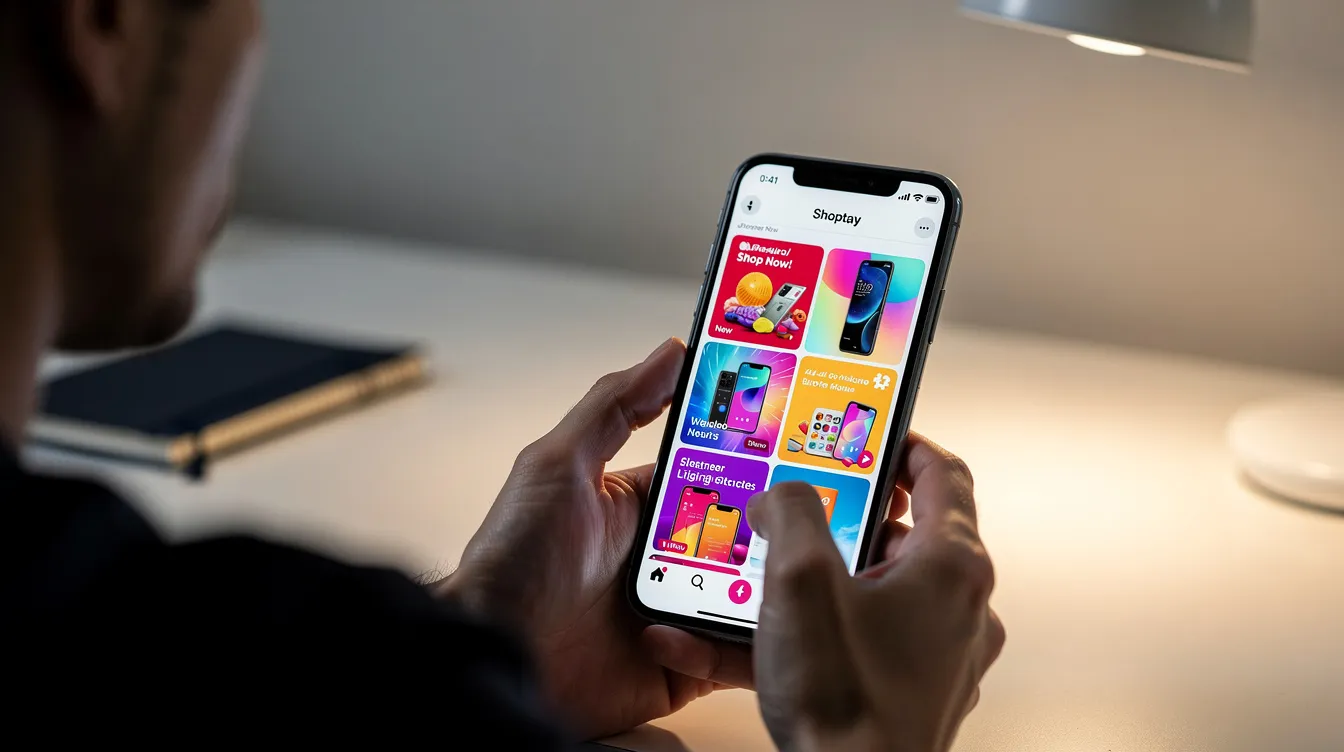
Mobile-first design is non-negotiable. Smartphone shopping accounts for roughly two-thirds of e-commerce sales in New Zealand. User-friendly website design enhances customer engagement and can lead to increased job leads and business opportunities.
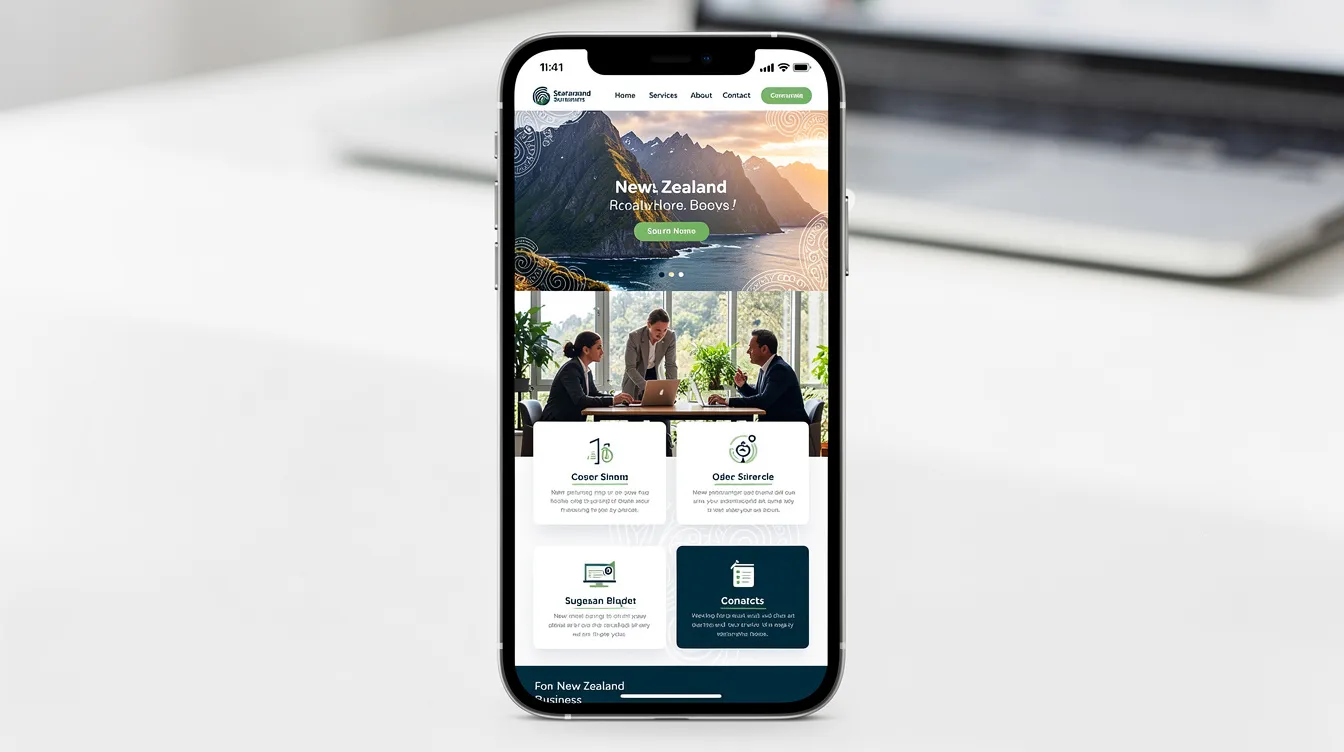
Key page types and their purpose:
Optimising website metadata for region-specific search intents is essential for online visibility. Kiwis frequently include geographical markers or local slang when looking for products or services online.
Claiming a free profile on Google Business Profile helps businesses rank organically in local Google Map results. Local backlinks can enhance domain authority by forming partnerships with established New Zealand businesses and directories.
Include regional trust signals: NZ-based testimonials, industry body memberships, and local case studies. Page speed, HTTPS security, and clean navigation are brand trust factors that visitors notice subconsciously.
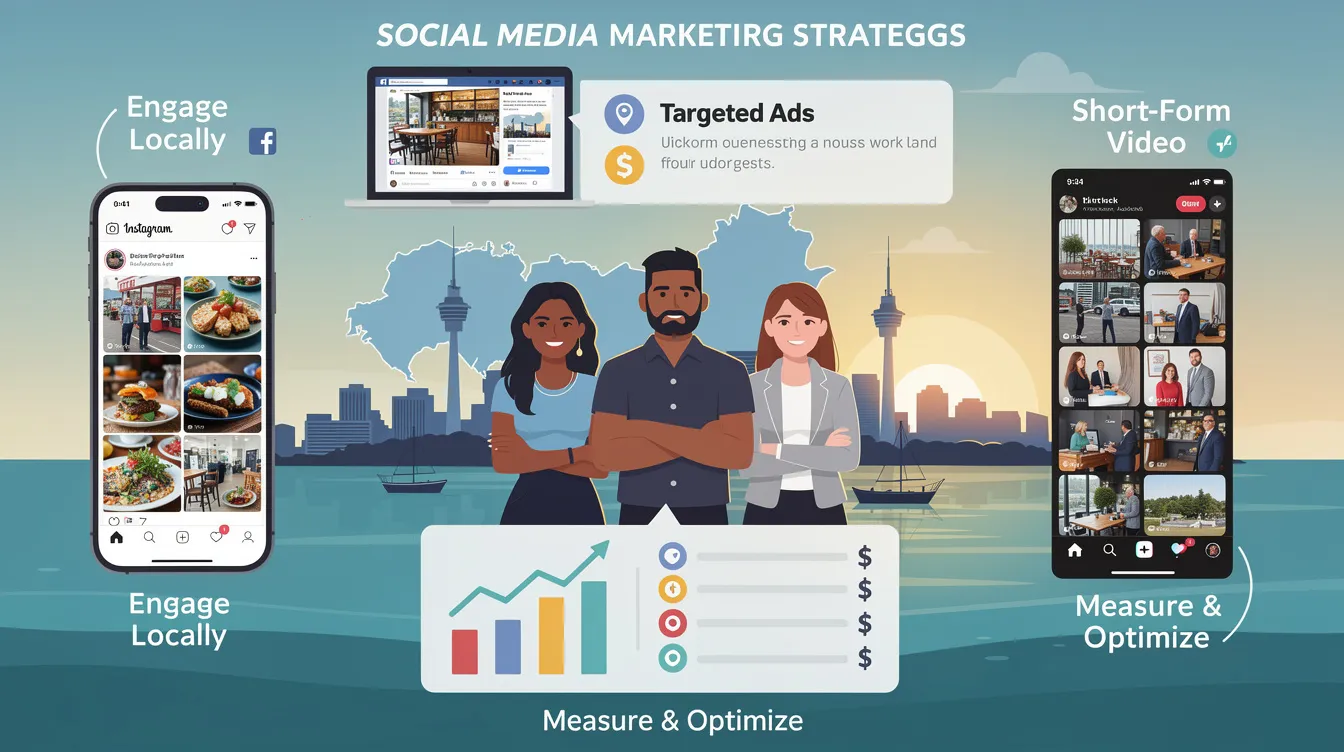
Social media is where many New Zealanders first meet or research a brand. Over 79% of New Zealand’s population being active on social media means online visibility is crucial for competitive advantage.
Platform selection by sector:
Maintain consistent brand design across profiles: logos, bios, cover images, and posting style must align. Creating local blog posts and guides can enhance content marketing efforts for target audiences-think seasonal campaigns around Matariki, ANZAC Day, or regional events.
Utilising video content on platforms like TikTok and YouTube remains underutilized by NZ businesses but is highly engaging. A strong brand strategy is essential for differentiating a brand in a crowded market, ensuring that it resonates with the target audience.
Focus on engagement over vanity metrics. Two-way conversations with customers matter more than follower counts.
Effective tactics:
Emphasising sustainability and highlighting ethical sourcing are important for Kiwi consumers. New Zealanders are pushing back against aggressive, manipulative ad tactics in favor of ethical business practices. Kiwi consumers value transparency, cultural respect, and frictionless, mobile-first experiences.
Link social profiles to your site. Paid social media ads can amplify well-performing content once organic foundations are solid.
This is where brand presence converts to business outcomes: leads and sales.
SEO helps New Zealand businesses appear when locals search for services. Search engines reward consistent brand messaging and quality content. Nearly 87% of Kiwi shoppers research delivery costs before checking out-address this clearly on your site.
Digital marketing channels working together:
All channels must use the same core brand message, design system, and tone of voice to create a cohesive experience.
Use Google Analytics, Search Console, and platform insights to track performance. Tighter privacy regulations mean that building direct channels is safer and more profitable than relying solely on paid, third-party social algorithms.
Review data quarterly. Even a small shift-clearer homepage messaging or better imagery-can improve conversion rates measurably.
Next 30 days:
Next 60 days:
Next 90 days:
Start with quick wins while planning larger projects. Even incremental improvements in online branding compound into significant growth for New Zealand businesses.
New Zealand’s smaller, relationship-driven market rewards authenticity and community involvement over aggressive hype. Kiwi audiences prefer plain-spoken language and local references. Distance from major markets makes digital channels critical for both domestic reach and exporting NZ brands globally.
“Full” doesn’t mean complicated. Even small operators need clarity on audience, promise, and brand values. A one-page brand strategy can guide all web design, social media, and digital marketing decisions. Skipping strategy leads to inconsistent visuals that confuse potential customers.
Review website and social media branding every 6–12 months to keep imagery and copy current. Full rebrands typically happen every 5–8 years, or when there’s a major business shift. Avoid constant changes that weaken recognition-focus on thoughtful, data-driven updates.
Simple brand refreshes and basic web design sit at lower investment levels; full strategy and multi-channel rollouts require more. Treat branding and web design as long-term investments supporting all future digital marketing. Prioritise clarity and usability over expensive visual flourishes when budget is tight.
Many New Zealand businesses adopt a hybrid model: internal ownership of brand values and daily content, with expert support for strategy and design. Partner with a design agency for rebrands, new websites, or complex campaigns. Regardless of who executes, leadership must champion brand consistency across every digital touchpoint.