FB Advertising: What It Is, Why It Matters, and How to Use It to Generate Leads

If you’ve ever scrolled through Facebook or Instagram and seen a post labeled “Sponsored,” you’ve encountered FB advertising in action. For many businesses, these ads have become one of the most reliable ways to reach potential customers, generate leads, and drive online sales.
But here’s the challenge: Facebook advertising can feel overwhelming. Between choosing objectives, setting budgets, crafting creatives, and interpreting metrics, it’s easy to get lost in the details.
This guide breaks down exactly what FB advertising is, why it matters for your business in 2026, and how to use it to generate leads consistently. Whether you’re considering DIY or looking for an agency partner, you’ll walk away with a clear understanding of how facebook ads work and what it takes to see results.
What is FB Advertising?
Facebook advertising (also called Meta advertising) refers to paid campaigns that appear across Facebook, Instagram, Messenger, and the Meta Audience Network. These ads are labeled “Sponsored” and can show up in feeds, Stories, Reels, Marketplace, the right column on desktop, and more.
All FB ads are created and managed through Meta Ads Manager, where you select campaign objectives like traffic, leads, or sales, and control every detail from audience targeting to budget allocation.
Here’s what defines FB advertising:
- Paid promotional content: Unlike organic posts on your facebook page, ads require a budget and compete in an auction system to reach facebook users.
- Multiple placement options: Your ads can appear in Facebook Feed, Instagram Stories, Facebook Reels, Messenger Inbox, Facebook Marketplace, and the Audience Network (third-party apps and websites).
- Variety of ad formats: Common formats include single image ads, video ads, carousel ads (up to 10 images/videos you can swipe through), collection ads (mobile-only shopping format), lead ads (with instant forms), and Messenger ads.
- Objective-based campaigns: Every campaign starts with a goal whether that’s driving website traffic, generating leads, increasing app installs, or boosting online sales.
- Clear labeling: Users always see “Sponsored” on ads, distinguishing them from organic content shared by friends or pages they follow.
For example, a local gym might run carousel ads showcasing different membership packages, while a SaaS company might use lead ads to offer a free demo in exchange for contact information.
Why FB Advertising is Important for Businesses in 2026
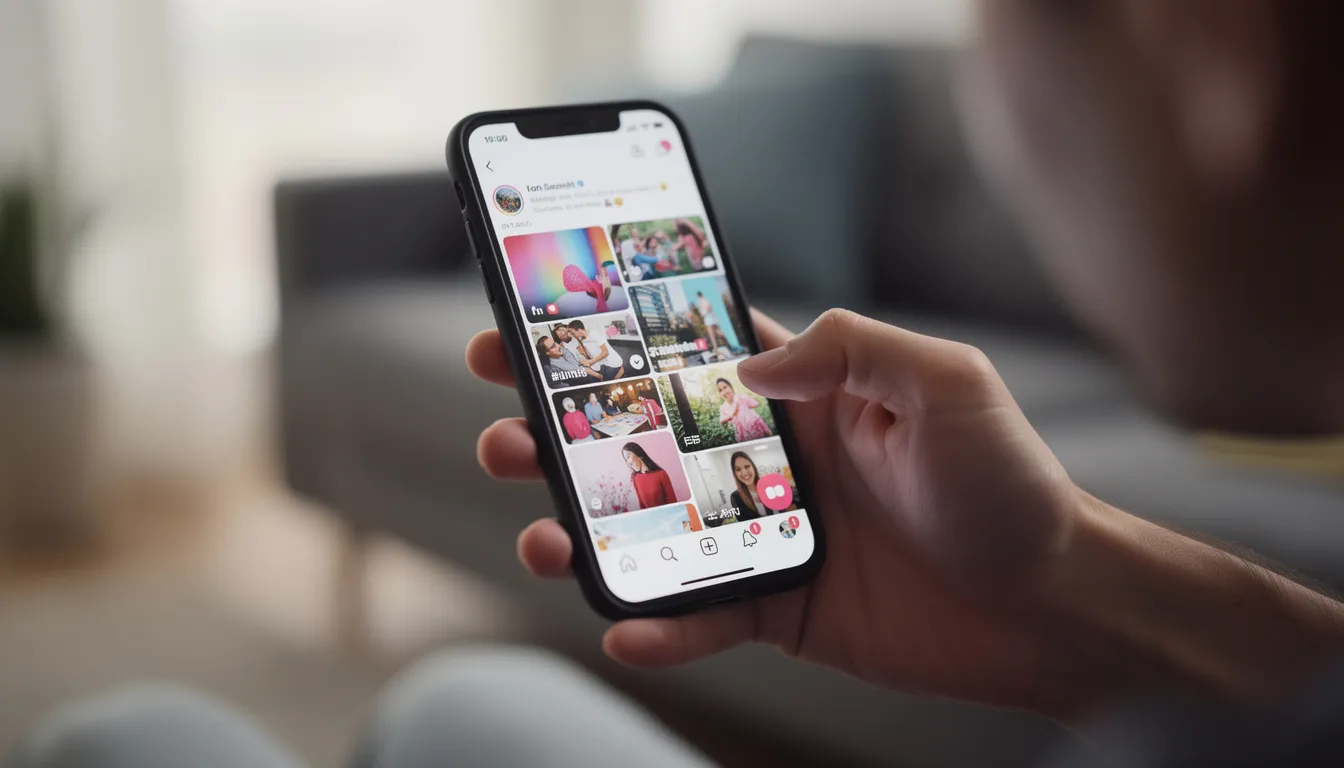
With over 3 billion monthly active users across Meta platforms in 2026, Facebook advertising offers unmatched scale for reaching your target audience. No other social media platform combines this reach with the targeting precision and budget flexibility that FB ads provide. For many businesses, this makes it a cornerstone of their digital marketing strategy.
Here’s why FB advertising matters for business growth:
- Massive audience reach: More people use Facebook and Instagram than any other social media platforms combined. Whether you’re targeting local businesses or running national ad campaigns, your customers are almost certainly on these platforms.
- Cost-effective compared to traditional channels: Print, radio, and TV advertising require significant upfront investment with limited targeting. FB ads let you start with as little as $5–$10 per day and scale based on performance something traditional advertising simply cannot match.
- Precise targeting reduces wasted spend: You can target specific demographics like age, gender, and location, plus layer in interests, behaviors, and even custom audiences built from your website visitors or customer lists. This means your budget goes toward more people who are actually likely to become customers.
- Budget flexibility for any business size: A small business can start with $300/month to test the waters, while larger companies can spend thousands daily. You can pause, adjust, or scale campaigns at any time—no long-term contracts or minimum commitments required.
- Measurable results and clear ROI: Unlike billboards or magazine ads, FB advertising gives you real-time data on reach, clicks, leads, and sales. The built-in analytics in Ads Manager let you see exactly what your cost per lead is and whether your marketing campaign is profitable.
- Performance marketing at its core: Every dollar you spend can be tracked to specific outcomes, making it easy to identify what’s working and double down on effective ad campaigns.
For context, consider this: a local service business might spend $500/month on FB ads and generate 50 qualified leads at $10 each. With traditional advertising, that same budget might yield unclear results with no way to measure direct impact.
How FB Advertising Works (From Objective to Results)
Every Facebook ads campaign follows a three-tier structure: Campaign → Ad Set → Ad. Understanding this hierarchy helps you see how the platform organizes your advertising efforts and where each decision lives. Here’s a high-level walkthrough of ad creation from start to finish.
- Choose a campaign objective: This tells Facebook what outcome you want. Options include Awareness (build brand awareness among new audiences), Traffic (drive users to your website or app), Engagement (get likes, comments, shares), Leads (collect contact information), and Sales (optimize for purchases). For example, a real estate agent might choose the Leads objective to collect inquiries for property listings.
- Define your audience: Specify who should see your ads based on location, age, gender, language, interests, and behaviors. You can also create custom audiences from website visitors, email lists, or app users, then build lookalike audiences to find similar potential customers. This is where you really target specific demographics that match your ideal buyer.
- Set budget and schedule: Choose between a daily budget (spend up to $X per day) or a lifetime budget (spend $X total over the campaign). Set start and end dates, and select what you’re optimizing for—link clicks, conversions, or lead form submissions. A common starting point is $15/day for 14 days to gather enough data.
- Choose placements: Automatic placements let Meta’s algorithm decide where your ads appear (Feed, Stories, Reels, Marketplace, Audience Network). Manual placements give you control to restrict to specific surfaces useful when you know certain placements perform better for your offer. Most advertisers start with automatic and refine later.
- Craft the creative: This is where you create facebook ads that grab attention. Upload your image or video, write primary text (the main copy users see), add a headline and description, and select a call-to-action button like “Sign Up,” “Get Quote,” or “Learn More.” Strong visuals and clear offers drive clicks.
- Track and optimize: Install the Meta Pixel and Conversions API on your website to track actions like form submissions, purchases, and page views. Monitor metrics in Ads Manager, identify what’s working, and run A/B tests to improve performance over time. This feedback loop is what separates good campaigns from great ones.
How FB Ads Generate Leads for Your Business
Facebook advertising is one of the most effective tools for lead generation when set up correctly. Whether you want form fills, phone calls, messages, bookings, or content downloads, FB ads can deliver warm leads directly into your sales pipeline.
Here’s how to use FB ads specifically to generate leads:
- Use the Leads objective with Facebook Lead Ads: Lead ads include native instant forms that users can complete without leaving Facebook. Pre-filled fields (name, email, phone) reduce friction. Example: an HVAC company offers a “Free Home Energy Audit” in exchange for contact details—users tap, fill in minimal info, and become leads instantly.
- Drive traffic to dedicated landing pages: Send ad viewers to a landing page on your website with a clear, compelling offer (e.g., “10% off your first order,” “Free 30-minute consultation”). Keep forms simple—name, email, and one qualifying question at most. The page should match your ad’s message to avoid confusion.
- Run “Send Message” or “Click to WhatsApp” campaigns: These campaigns generate conversational leads directly in Messenger or WhatsApp. Great for services that require back-and-forth discussion, like custom quotes or appointment scheduling. Users click, start chatting, and you can qualify them in real time.
- Remarketing to warm audiences: Target people who visited key pages on your site (pricing, services, product pages), watched your videos, or engaged with previous posts. These users already know your brand, making them more likely to convert. Remarketing often produces the lowest cost per lead.
- Offer lead magnets that provide real value: Examples include case study PDFs, price lists, checklists, webinars, or product demos. A marketing agency might offer “7 Facebook Ad Mistakes Costing You Leads – Free PDF” available for download through a lead form. Adding urgency helps: “Register by June 15, 2024 for our live webinar.”
- Follow up rapidly: Connecting FB leads to your email, CRM, or SMS system is critical. Studies show response time dramatically affects conversion rates. Use tools like Zapier or native integrations to push leads into your follow-up sequences within minutes, not days.
The key is matching your offer to your target audience’s pain points and making it easy for them to take the next step.
Our FB Advertising Services: How We Help You Get Results
We plan, launch, and optimize FB campaigns focused on leads and revenue not vanity metrics like impressions or likes that don’t impact your bottom line. Our approach is structured, data-driven, and built around your specific business goals.
Here’s what we handle:
- Strategy & research: We start by auditing your current Facebook presence (if any), researching competitors in your space, defining your ideal customer profiles, and selecting the right campaign objectives. This foundation ensures we’re building campaigns that actually align with your marketing goals.
- Campaign setup: We configure your Meta Business Manager, install and test your Pixel and Conversions API, set up custom conversions to track meaningful actions, and structure campaigns and ad sets for clarity and scalability. Proper setup prevents tracking issues that waste budget.
- Creative production: Our team writes ad copy that speaks to your audience, designs eye-catching images, and edits short videos optimized for each placement. We match creatives to specific offers and audiences—no generic, one-size-fits-all ads.
- Lead generation funnels: We build or advise on landing pages, lead magnets, instant forms, and automated follow-up workflows (email sequences, CRM integrations). The goal is a seamless path from ad click to qualified lead in your system.
- Optimization & scaling: We conduct weekly reviews to analyze performance, run A/B tests on audiences and creatives, adjust bids and budgets based on data, and pause underperforming ads. This continuous improvement is how we drive down cost per lead over time.
- Transparent reporting: You receive clear reports (weekly or monthly, based on your preference) showing metrics that matter: cost per lead, return on ad spend (ROAS), conversion rates, and specific recommendations for the next period. No fluff, no confusion.
We’ve seen how other agencies approach FB advertising often with cookie-cutter strategies and vague reporting. Our focus is on delivering valuable insights and measurable outcomes tied directly to your growth.

FB Advertising Best Practices for Small and Medium Businesses
You don’t need a massive budget to succeed with FB advertising. These practical guidelines help any SMB run effective ad campaigns, even when starting with modest resources.
- Define one clear objective per campaign: Don’t mix lead generation with brand awareness in the same campaign. If you want leads, choose the Leads objective. If you want sales, optimize for conversions. Mixing goals confuses the algorithm and dilutes results.
- Know your audience before building ad sets: Document your ideal customer’s age range, locations, key interests, pain points, and what triggers them to buy. This preparation makes targeting far more effective. Example: a B2B software company might target business owners aged 30–55, interested in productivity tools, with job titles like “CEO” or “Operations Manager.”
- Invest in quality creative: Use high-quality visuals that show real products or real people (not generic stock photos). Keep text overlays minimal Facebook may reduce reach for images with too much text. Test both static images and short videos (15–30 seconds) to see what resonates.
- Focus on clear, time-bound offers: Vague calls-to-action don’t convert. Be specific: “Free strategy call this week,” “15% off until June 30, 2026,” or “Download our pricing guide.” Strong CTAs paired with urgency increase conversions significantly.
- Test systematically: Run at least 2–3 ad variations per ad set. Change only one major element at a time (image OR headline, not both) so you know what caused the difference. Let tests run long enough to gather meaningful data usually 500+ impressions minimum per variation.
- Start with conservative budgets: Begin with $10–$30 per day per campaign. Collect data for at least 5–7 days before making significant changes. Premature optimization based on limited data leads to wrong conclusions. Once you find winning combinations, scale gradually.
- Follow Meta ad policies strictly: Certain categories (housing, employment, credit, health claims) have special requirements. Violating policies leads to ad rejections or account restrictions. Review Meta’s advertising policies before launching campaigns in sensitive industries.
Avoiding ad fatigue is also important rotate creatives every 2–4 weeks or when frequency exceeds 3–4 to keep your ads fresh for your right audience.
FAQs About FB Advertising
This section answers the most common questions businesses ask before starting FB ads.
Does FB advertising work for small local businesses? Absolutely. Local businesses can target users within a specific radius (as small as 1 mile) around their location. You can optimize for map clicks, phone calls, or store visits. A local restaurant might run ads to users within 10 miles promoting a weekend special, tracking how many people called or requested directions. Many local businesses see strong results because competition is lower than broad national campaigns.
How much should I spend on FB ads to generate leads? A reasonable starting point for lead generation is $300–$1,000 per month. Factors affecting budget include your industry (some niches have higher costs per lead), location (major cities are more competitive), and offer strength. Start at the lower end, test multiple products or offers, and scale what works. The key is gathering enough data to make informed decisions.
How fast will I see results? Facebook’s learning phase typically lasts 7–14 days as the algorithm optimizes delivery. Lead generation campaigns often show initial results faster than brand awareness campaigns because there’s a clear action to optimize for. However, meaningful optimization requires ongoing effort expect to refine targeting, creative, and offers over the first 30–60 days for best results.
What’s the difference between boosting posts and running FB ads? Boosting is a simplified way to promote existing posts from your facebook page with basic targeting. Ads Manager provides full control: more objectives, detailed audience targeting options, placement selection, creative testing, and comprehensive tracking via the Pixel. For serious lead generation or sales goals, Ads Manager is essential.
Can FB ads replace Google Ads? They serve different purposes. FB ads excel at discovery reaching users who don’t know they need your product yet and remarketing to engaged audiences. Google Ads capture high-intent search traffic from people actively looking for solutions. Many businesses benefit from using both: Google for new customers searching specific terms, Facebook for building awareness and retargeting. It’s not about replacing one with the other.
What do you need from us to run FB ads? We typically need: admin access to your Facebook page and Business Manager, access to your website for Pixel installation (or your developer’s cooperation), logo and brand assets, product/service images or videos, your current offers or promotions, and clarity on your business goals and target audience. The more prepared you are with these tools and assets, the faster we can launch.
Getting Started with FB Advertising
FB advertising offers a structured, measurable path to generating leads pour consistently—when done right. The combination of massive reach, precise targeting, flexible budgets, and real-time analytics makes it one of the most accessible channels for businesses of any size to promote their services and reach new customers.
Here’s a simple first 30 days action plan:
- Week 1: Define your primary objective (leads, sales, traffic). Install Meta Pixel on your website. Document your target audience including demographics, interests, and pain points.
- Week 2: Create 1–2 strong offers with lead magnets or promotions. Build your first campaign with 2–3 ad variations. Set a test budget of $15–$20/day.
- Week 3: Let ads run and gather data. Monitor key metrics (cost per click, cost per lead) but avoid making major changes yet.
- Week 4: Review performance. Pause underperforming ads. Scale budget toward winners. Plan next round of creative tests.
You can DIY with this approach, or partner with us to plan and manage campaigns end-to-end. Either way, the important thing is to start with a clear community of goals and build from there.
Ready to turn FB advertising into a predictable lead source for your business? Contact us for a Facebook advertising strategy review or to discuss setting up your first campaign. We’ll help you cut through the complexity and focus on what actually drives results.