
If you run a business in 2026, you already know that posting on Instagram or TikTok is not the same as running ads there. Yet many marketers still lump everything under "social media" and hope for the best. The reality is that organic social media and paid social media serve different purposes, carry different costs, and produce results on very different timelines. This guide breaks down exactly how each works, where each excels, and how to combine organic and paid strategies into a single plan that actually moves the needle for your business.
Successful social media marketing typically uses organic efforts to build trust and paid campaigns for growth. Here is what you need to know before diving into the details:
When people say "social media," they usually mean organic posts, stories, Reels, community management, and interactions that happen without direct paid promotion. You publish content, your audience sees it based on platform algorithms, and engagement happens naturally.
Paid social media is different. It covers any sponsored posts, boosted content, or paid ads where you pay platforms like Meta, TikTok, LinkedIn, or X to guarantee that your content reaches a defined audience. When a user sees paid social, it typically carries a "Sponsored" label and appears in more prominent placements.
Both are part of a broader digital marketing strategy. Neither works best in isolation. The key is understanding that organic social posts appear alongside personal content in feeds without ad markers, while paid social campaigns carry clear commercial intent and more predictable distribution. Both should be measured against concrete business goals like leads, sales, sign-ups, or bookings rather than vanity metrics.
Organic social media is all the unpaid content and interactions your brand publishes on social media platforms like Facebook, Instagram, TikTok, YouTube, LinkedIn, Pinterest, and Snapchat. Organic social media relies on unpaid content to engage followers, and organic social media content includes in-feed posts, stories, and videos.
Concrete examples of organic posts include:
Organic posts depend on platform algorithms, shares, and comments for reach. There is no ad spend behind them. Organic marketing utilizes free tools provided by social platforms to publish, schedule, and analyze content performance.
Over time, organic social supports brand voice, customer service, and community building. Typical organic metrics to track include reach, engagement rate, saves, shares, follower growth, and click-through to site content.
An organic social media strategy is the foundation of modern social media marketing because it shapes how people perceive your brand before they ever see a paid ad.
Despite its strengths, organic reach is increasingly limited on many social media platforms. In 2022, organic reach continued to shrink on social media platforms, and the trend has only accelerated since then.
On Facebook, business page posts now reach roughly 1-2% of followers. Instagram organic reach for business accounts has fallen to around 2-3%. Even LinkedIn, once a strong organic channel for B2B, has seen approximately 34% year-over-year declines in reach.
Organic social media requires significant time and consistency in posting to see meaningful results. Achieving major business goals like hitting quarterly sales targets with organic alone can take months or years.
The resource burden is significant: consistent content creation, community moderation, and social listening require time and skilled team members. And organic performance can be volatile because algorithm changes, trending formats like the shift to short-form video, and platform updates can upend your results overnight.
Paid social media involves spending money to display ads to a specific audience through platform ad systems like Meta Ads, TikTok Ads, LinkedIn Ads, and Snapchat Ads. It is a subset of online advertising and paid advertising that lives natively within social platforms.
Common paid social formats include:
Paid social lets marketers define audience targeting using demographics, interests, behaviors, custom audiences, and lookalikes. This level of targeting capabilities makes it possible to reach your most relevant audience rather than hoping the algorithm serves your content to the right people.
Paid campaigns can be always-on, like retargeting, or time-bound for product launches, Black Friday sales, or seasonal pushes. Key paid social performance indicators include impressions, CPM, CTR, cost per lead, cost per purchase, and ROAS.
Paid social media can provide instant visibility and measurable results, which is its biggest advantage over organic-only efforts.
Here is what makes paid social campaigns valuable:
With 64% of people using social media for shopping inspiration, paid social media campaigns put your products and services in front of potential customers at the exact moment they are browsing and ready to discover.
Paid social media can be expensive and requires ongoing optimization to remain effective. It is not a "set it and forget it" channel.
Here is a clear breakdown of organic vs paid social across the dimensions that matter most for your digital marketing strategy:
Community-focused organic content maintains roughly 2× the organic reach of pure promotional content. Meanwhile, paid social excels at reaching a wider audience beyond your current followers, including cold prospects who have never heard of your brand.
Organic engagement tends to create authentic conversations. Targeted advertising through paid channels provides the scale needed to hit aggressive growth targets.
The right mix depends on your business stage, industry, target audience, and goals. There is no universal formula.
Lean on organic social when:
Lean on paid social when:
For small teams, the most practical approach is to prioritize organic strategies with occasional boosts and small paid campaigns. Larger teams can support full-funnel paid social media strategies alongside consistent organic content.
Brands should revisit their organic vs paid social allocation at least quarterly in 2025 to adjust for performance data, platform algorithm shifts, and changing audience behavior.
Every social media strategy maps to the classic funnel: awareness, consideration, conversion, and retention.
Map each campaign objective to the most appropriate mix. For example, if your goal is email list growth in Q2 2025, combine organic content that educates with paid ads that drive sign-ups.
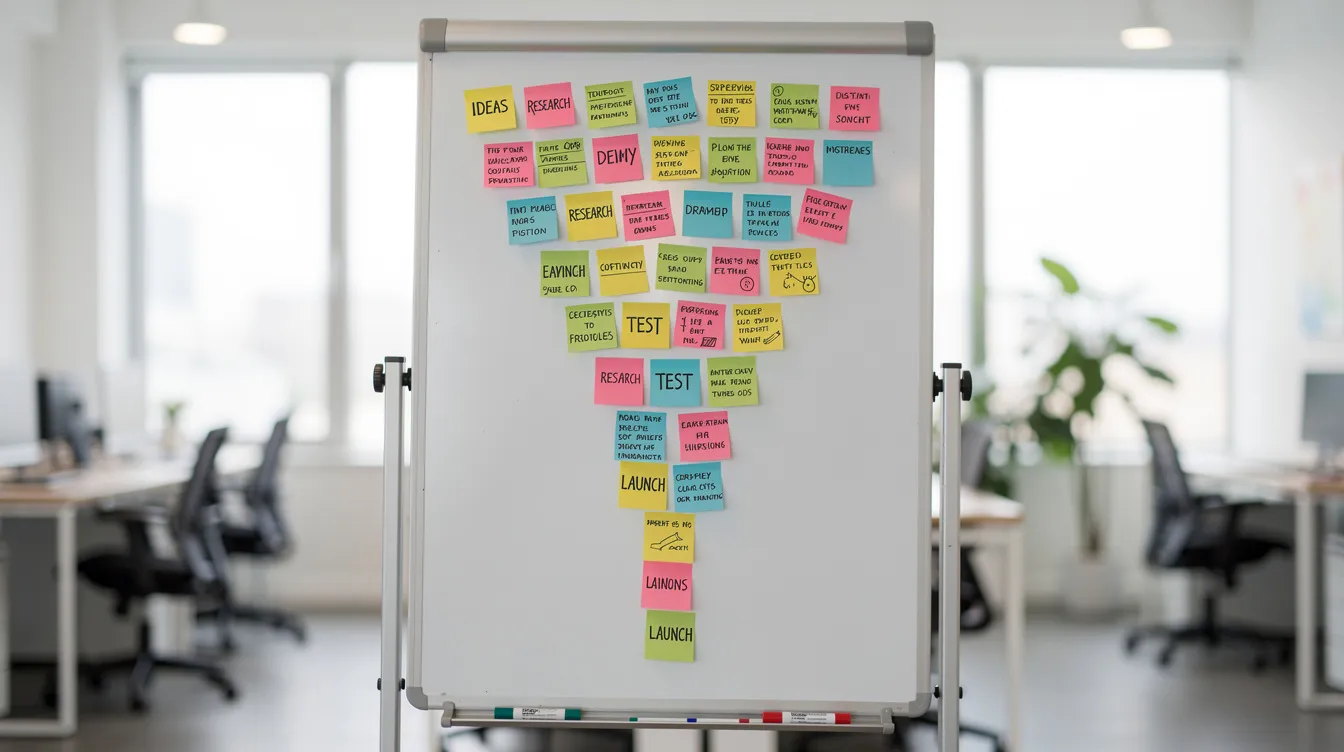
A hybrid strategy combines organic and paid social media efforts into a single, integrated plan. Combining organic and paid strategies creates a robust brand strategy that neither approach can achieve alone. A balanced strategy drives both short-term results and long-term brand building.
Start with clear, quantified goals. For example: "Increase qualified leads from social by 30% by December 2025."
Build a unified content calendar where organic campaigns and paid campaigns are planned side by side. Identify "hero" content pieces like guides, webinars, or product launches that will be supported by both organic and paid efforts. Businesses achieve the highest return on investment by integrating organic and paid strategies rather than treating them as separate silos.
Social media ad spending is expected to grow 15.6% by 2026, which means competition for attention will only increase. Hybrid strategies help maximize ROI across social media channels by ensuring your paid media amplifies what your organic efforts have already proven works.
Treat your organic channels as a low-risk testing ground before committing ad spend.
Track which organic posts deliver the highest saves, shares, and click-through rates. Using paid ads can amplify high-performing organic content, turning your best-performing unpaid content into promoted content with small budgets to validate it with a broader audience.
This approach reduces wasted paid advertising spend and improves initial performance. Document winning topics, formats, and hooks so they can be reused across future paid social media strategies. When content resonates organically, it almost always performs better as a paid ad too.
Ad fatigue is one of the biggest threats to paid social performance. As ad inventory gets more crowded, audiences see more ads and tune them out faster.
To balance organic and paid creative:
Accounts that use 4+ creatives per ad set consistently see lower costs than those relying on just one or two assets. Regular updates protect against the diminishing returns that come with repetitive promoted content.
Make every dollar of ad spend accountable by setting benchmark KPIs before turning on new paid social campaigns. Define your target CPA or ROAS upfront.
Paid search and paid social serve different roles, but both contribute to a complete digital marketing strategy. Understanding how each channel supports the other helps you target customers more efficiently and avoid overspending on any single platform.
Many small businesses start by allocating 5-15% of their overall marketing budget to paid social, then adjust based on results. A concrete starting range in 2025 is $500-$2,000 per month, which provides enough data to identify what works without overcommitting. Split your budget between testing new audiences and creatives and scaling proven winners. Your ad spend should always tie back to specific business goals like leads, bookings, or online sales rather than just reach or likes. Review your cost per result monthly to decide whether to increase, maintain, or reduce spend.
In 2025, Instagram, TikTok, and YouTube Shorts are strong for organic reach with engaging short-form video, especially for B2C brands. LinkedIn remains a top choice for B2B organic thought leadership and paid lead generation campaigns. Meta and TikTok offer powerful paid ads tools for ecommerce and lead gen, while Pinterest ads can work well for visual products. Choose social media platforms based on where your existing customers already spend time rather than chasing every new network. Start with one or two core platforms for both organic and paid, then expand once your social media account management processes are solid.
Paid social can generate results like clicks, leads, and first sales within days or weeks once tracking is correctly set up. Organic social usually takes several months of consistent posting and audience engagement before major improvements in reach and loyalty become visible. Organic results compound over time as more organic posts, followers, and content libraries build up. Set different timelines: 30-90 days for initial paid performance, 6-12 months for meaningful organic growth. Timelines vary by industry, competition, and how clearly goals are defined from the start.
It is possible, and sometimes smart, to launch paid social even with minimal organic content, especially for time-sensitive paid social media campaigns. However, a completely empty or inactive profile can hurt trust when users click through from ads to check your social media account. Have at least a basic set of recent, high-quality organic posts live before scaling paid efforts heavily. Build organic and paid efforts in parallel: set up foundational profile content while early ads run with modest budgets. Over the long term, paid ads perform better when backed by a credible, active organic presence that demonstrates real community building.
Watch for signs like sharp drops in traffic or sales whenever you pause paid campaigns, which indicates low organic resilience. Overreliance on paid media may also show up as high acquisition costs and weak repeat-purchase or retention metrics. Gradually shift some investment into organic content, email, and community management to diversify your marketing strategies. Track the percentage of revenue or leads coming from organic vs paid social channels and aim to improve the organic share over time. A healthy approach to combine organic and paid channels balances immediate wins from social media advertising with long-term stability from organic efforts and owned media.