
Deciding between google ads and SEO is one of the most common questions business owners face when planning their digital marketing spend. The answer depends on how quickly you need leads, how much you can invest, and whether you're building for the next quarter or the next three years. This guide breaks down both channels with real data from 2026, shows you when each one works best, and explains why the smartest businesses use them together.
Should you use google ads or SEO? In most cases, both. Google Ads is paid advertising that buys your way onto the google search results page through a pay per click model. Search engine optimization earns visibility by improving your website's content, structure, and authority over time. Google Ads works best when you need enquiries quickly, are testing new services, or launching offers on specific dates. SEO makes sense when you want sustainable growth, lower average cost per lead, and a business's online presence you own rather than rent.
If you need leads this quarter, run google ads and start SEO in parallel. If you can wait 6–12 months, lean more heavily on SEO.
SEO-search engine optimization-increases your visibility in organic search results across Google and other search engines. SEO focuses on earning long-term, organic traffic by optimizing website content, technical structure, and off-site authority.
Search engines crawl your pages, index them, and rank them based on relevance, content quality, user experience, and the strength of your backlink profile. The main components include:
SEO often takes three to six months for results in competitive niches. SEO results typically take 6-12 months to show noticeable ROI. But SEO results compound over time, improving visibility gradually-and SEO traffic is free once a page ranks well. SEO can generate traffic without ongoing costs once established, making each incremental visit essentially free from a media cost perspective.
For local businesses-trades, clinics, professional services-local SEO and Google Business Profile improvements are especially important, since calls and visits often matter more than website form enquiries.
Google Ads is Google's paid advertising platform. It includes search campaigns, display ads across the Google Display Network, YouTube video campaigns, Shopping campaigns for e-commerce, and app campaigns for installs and in-app actions.
Google Ads operates on a pay-per-click model, charging for each click your ad receives. Google Ads requires payment every time a user clicks on an ad. In search campaigns and most ppc ads, you enter an auction where ad position is determined by your bid and your Quality Score (a measure of relevance and landing page experience). The google ads platform allows bidding on hundreds of keywords simultaneously, and Google Ads secures paid placement in search results above or alongside organic listings.
Key campaign types:
Google Ads provides instant, highly targeted traffic. Google Ads can generate traffic almost immediately after launch-but traffic stops as soon as you pause or exhaust your budget.
When comparing seo vs google ads, the core differences come down to speed, cost structure, traffic longevity, and how competition works.
SEO can lead to higher conversion rates than Google Ads because organic seo results often align more closely with user intent. SEO traffic is free once a page ranks well, while continuous ad spend is required to keep paid traffic flowing.
Over 6–12 months, SEO typically wins on ROI. Over the first 30–90 days, Google Ads usually delivers faster returns. High competition can drive up google ads costs significantly, particularly in legal, finance, and professional services verticals.
Google ads makes sense when speed, precise targeting, and clear attribution are your top priorities. Google Ads provides fast, paid results through targeted ads, and 64% of marketers prefer Google Ads for immediate results.
Concrete scenarios where you should run google ads:
Google Ads offers hyper-targeting to test buyer intent through location targeting, keyword targeting, and audience filters-so you avoid wasting budget on irrelevant searches. In competitive markets, Google Ads captures immediate demand that you'd otherwise miss while waiting for organic rankings to build.
Google Ads is effective for time-sensitive promotions or product launches. App campaigns and display or YouTube campaigns complement search ads when you need awareness before demand shows up in search volumes.
A strong landing page is essential. Slow pages with vague copy will burn through ad spend with little to show for it.
SEO is ideal for sustainable growth and lower long-term costs. If you're planning beyond the next quarter and want to reduce dependence on paid advertising, search engine optimization is the better long-term bet.
Business types that benefit most from strong SEO:
SEO is especially powerful for informational and comparison searches-queries like "how to choose a mortgage broker" or "roof repair vs replacement"-which are often too broad or expensive to run a google ads campaign against profitably. SEO builds brand trust and credibility through organic listings, and organic SEO results are often considered more trustworthy by users than paid advertisements.
SEO involves upfront investment in content and optimization but brings free traffic over the long term. SEO provides sustainable, long-term brand authority that continues to drive traffic even after work pauses. A well executed seo campaign can provide a steady stream of inbound leads over time. SEO provides long-term ROI and cost efficiency as organic rankings climb.
That said, SEO requires consistent work. Continuous effort is required to maintain seo rankings-updating content, monitoring search trends, and protecting against competitors investing in both seo and ppc ads.

For most businesses, a comprehensive marketing strategy combines both channels. Many businesses leverage both google ads and SEO for complementary strategies rather than picking one over the other. Combining SEO and Google Ads maximizes marketing effectiveness and using both google ads and SEO can help reduce dependence on paid traffic over time.
Here's how to combine them in practice:
Agencies often allocate 60-70% of budgets to SEO initially when running blended strategies, knowing that seo generates organic traffic that compounds while paid traffic requires constant optimization. A powerful approach is to use Google Ads for immediate inquiries and reinvest savings into SEO for long-term growth. Both channels should be reported together with shared dashboards and unified KPIs so decision-makers see total search engine marketing performance.
Paid advertising doesn't directly raise organic rankings, but google ads search data is one of the most powerful inputs for SEO decisions.
Example: A plumbing company discovers through its google ads campaign that "emergency plumber near me 24/7" converts at three times the rate of the generic "plumber in London." That insight shapes both their paid and organic content priorities, and their seo efforts shift toward building a dedicated emergency services page with local SEO signals.
Google Ads Quality Score depends heavily on ad relevance, expected click-through rate, and landing page experience-all of which seo efforts tend to improve. Well-structured, fast, mobile-friendly pages with clear headings and relevant content can reduce CPCs and improve ad positions in paid search auctions.
SEO research into keyword intent, content gaps, and user questions can inform better ad copy and more specific ad groups that match what users actually search for. SEO-driven improvements like schema markup, clearer calls to action, and trust signals (reviews, case studies) often raise conversion rates from both organic traffic and ppc ads.
Example: A law firm reworks its generic "Our Services" page into a focused, SEO-optimized landing page targeting "business contract lawyer" with fast load times, client testimonials, and clear pricing. That page then lifts both organic rankings and the firm's google ads conversion rate, since the landing page experience component of Quality Score jumps from average to above average.
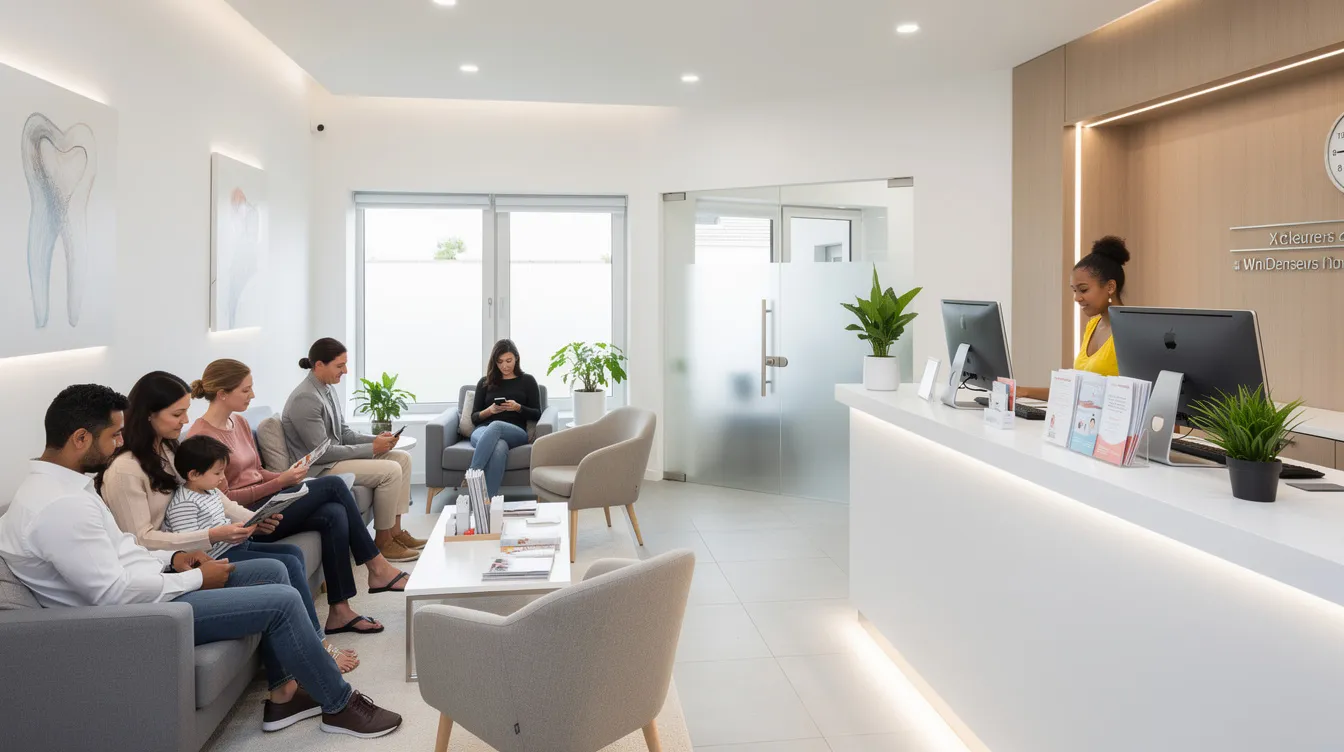
Consider a dental clinic wanting to grow its patient base. The practice first runs google ads across several keyword themes-"emergency dentist," "teeth whitening near me," and "invisible braces cost"-tracking which ones bring high-value enquiries.
After eight weeks of data, the clinic finds that "emergency dentist" drives urgent bookings at a reasonable cost per lead, while "teeth whitening" generates high click volume but few actual appointments. "Invisible braces cost" falls somewhere in between, attracting serious prospects doing research.
The clinic then invests seo resources into building a detailed emergency dentistry service page and supporting blog content around braces comparisons. They reduce paid bids on teeth whitening and redirect that ad spend toward the better-performing search campaigns.
Over the next six to twelve months, organic rankings for "emergency dentist" and "invisible braces" start capturing more of the profitable traffic. The clinic reallocates some of that freed-up paid budget into new campaigns testing other services and broader digital marketing experiments.
This data-driven approach is more efficient than guessing which relevant keywords to prioritize for both seo and ppc ads.
Avoid these pitfalls when deciding between or combining seo and google ads:
Rather than debating theory, use these practical rules of thumb:
Before committing more budget to either channel, review your website performance and existing analytics. If current visitors don't convert, fixing the site should be the priority-no amount of paid or organic traffic helps if your landing pages don't perform.
Set specific, time-bound goals. For example: "Generate 40 monthly enquiries from search by December 2026." Use that target to shape your channel mix and expectations. As organic rankings improve, you can shift more budget from paid to organic and spend money where it delivers the best return.
The best marketing strategy is the one you can measure and adjust. Start with what you can fund properly, build on what converts, and revisit your mix quarterly.
Running google ads does not directly improve organic rankings. Google keeps its paid and organic algorithms separate to maintain relevant search results. The real benefit is indirect: Google Ads provides fast keyword and conversion data that can guide more effective SEO content and landing page improvements. You shouldn't expect seo rankings to rise just because you pay google more in ad spend, but you can expect sharper decision-making about where to focus your seo strategy.
Over a multi-year period, a well executed seo campaign typically has a lower cost per click and cost per lead because organic traffic doesn't incur ongoing click charges. SEO seo generates organic traffic that continues flowing even when you reduce active investment. Google Ads is often more cost-efficient in the very short term since you can turn it on, test, and pause-but Google Ads requires ongoing budget to maintain visibility. Evaluate cost over at least 6–12 months when comparing ROI between both seo and paid search to get a meaningful picture.
Run a minimum of four to eight weeks of consistent google ads spend before making major SEO decisions based on search term and conversion reports. Seasonality, weekday versus weekend patterns, and limited budget can skew early data if you react too quickly. Revisit your google ads reports quarterly to keep refining SEO keyword priorities as your competitive market and search behaviours shift.
Some businesses do rely almost entirely on one channel. Strong brands with years of content can lean heavily on organic seo, while new e-commerce sites may start with mostly paid advertisements. However, depending on a single channel increases risk: algorithm updates can affect seo results overnight, and CPC inflation can hurt paid search margins. Even if you focus on one, plan how and when to add the other to make your overall marketing strategy more resilient. Using both seo google ads channels together is the safest path to long term growth.
Start with a combination of keyword research tools-like Google Keyword Planner and Search Console data-and real search term reports from early search campaigns. High-intent phrases including "near me," "price," "book online," or specific services tend to perform well in both ppc ads and SEO content. Separate broader, research-focused relevant keywords (better suited for SEO blog content that builds increase visibility over time) from high-intent, transactional terms (often better matched to google ads and core landing pages). This split lets each channel do what it does best within your search engine results strategy, helping you generate traffic efficiently across both paid and organic channels.