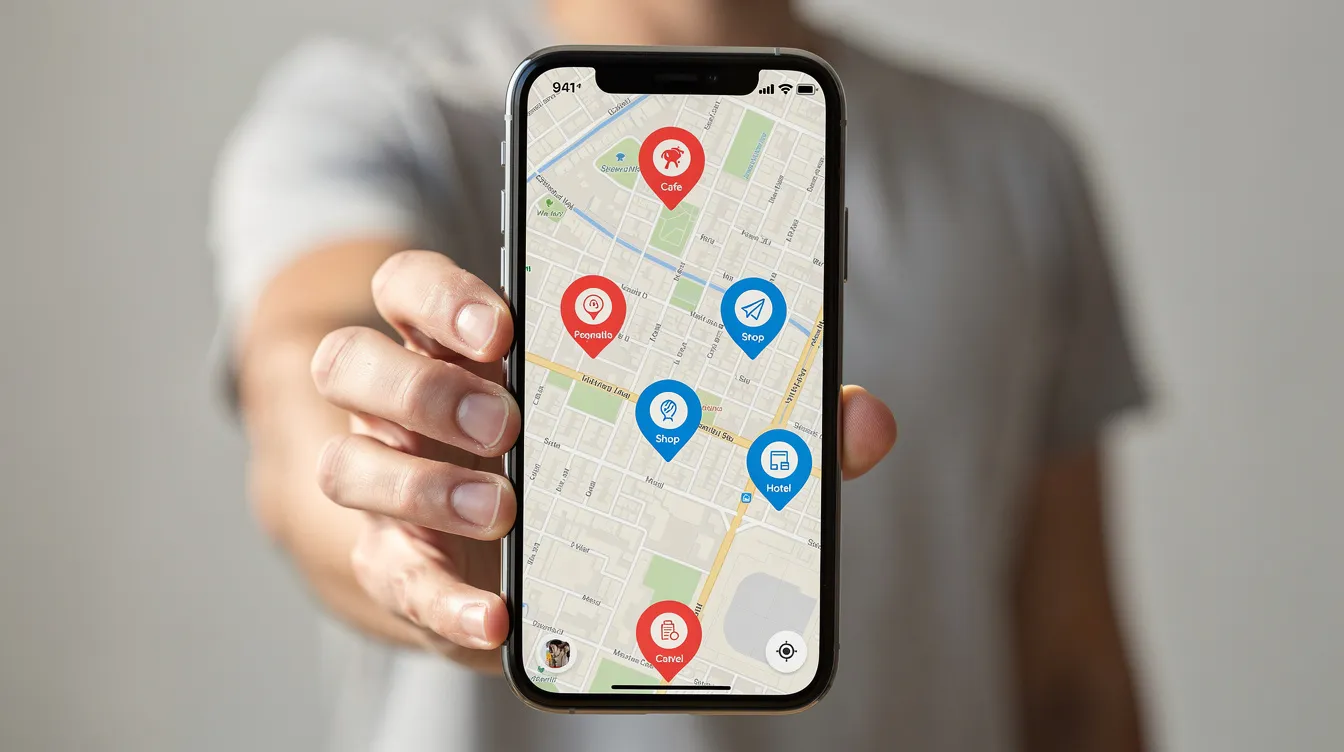

Local SEO is the process of improving your online visibility so your business appears when people search for services in Auckland and wider New Zealand. It connects you with local customers who are actively searching for what you offer, right when they need it.
The difference between local SEO and traditional SEO matters. Traditional SEO targets a national or global level audience through organic search results-the standard “blue links.” Local search engine optimisation targets users in a specific geographic radius, focusing on immediate and transactional intent. This means the local pack, Google Maps listings, and “near me” queries take centre stage.
Consider these Auckland searches:
Each reflects high buying intent. When someone searches on mobile, Google prioritises businesses nearby-surfacing them across Google Search, Google Maps, and local results. Reports show 88% of New Zealand consumers who use mobile for local search will visit or call a store within a day.
In 2026, most local discovery for Auckland services starts with search engines rather than print directories or radio. Local SEO is crucial for small businesses in Auckland as it helps them appear in location-based searches, connecting them with customers ready to take action.
.png)
Google uses three main groups of signals to decide which local business appears first in the local pack and map results: proximity, relevance, and prominence.
Proximity is literally how close the searcher is to your business. Someone in Takapuna searching “dentist near me” will see North Shore businesses before those in South Auckland. You cannot change your physical location, but you can specify service areas correctly in your profile.
Relevance measures how well your business categories, services, and website content match what people search. If someone searches “family lawyer Auckland” and your listing only says “lawyer” with generic service pages, you lose relevance against competitors with tailored content. Choosing the right business categories and including exact keywords in your descriptions helps.
Prominence reflects your online reputation and authority. This includes:
Top-three businesses in New Zealand’s local pack typically average around 561 Google reviews with a 4.8-star rating. That’s your benchmark.
A good local SEO strategy nudges all three signals in your favour. You cannot change proximity, but relevance and prominence are entirely within your control.
A well-optimized Google Business Profile is one of the biggest local ranking factors for businesses, significantly increasing local search visibility. Only around 32% of Auckland businesses have properly optimised their profiles-70% remain incomplete. This represents prime real estate most competitors are ignoring.
Claiming and verifying your profile:
Choosing the right categories:
Your primary category carries the most weight. Select the most specific option-“Plumber” rather than “Home Services,” or “Italian Restaurant” rather than just “Restaurant.” Add secondary business categories that reflect your full service range.
Auckland-specific elements to add:
Engaging features:
Use Posts to share updates, offers, and local events. Monitor and answer the Q&A section-this signals activity. Enable messaging so mobile users can reach you instantly.
Optimising your Google Business Profile is a non-negotiable step in local SEO, as it significantly boosts visibility in local searches.
Google cross-checks your business information across the web to confirm you are a real local business. Consistent business information-Name, Address, and Phone number (NAP)-is crucial for optimizing your Google Business Profile and building trust with Google.
What NAP consistency means:
Your business details must appear identically everywhere. Even small differences hurt-“St” versus “Street,” missing unit numbers, or outdated phone numbers all create confusion.
Key New Zealand directories to cover:
Tier 1
Google Business Profile, Yellow NZ, Bing Places, Apple Business Connect, Facebook
Tier 2
Localist, Neighbourly, Trade Me, NZBN, industry associations
Supporting
TripAdvisor (hospitality), Yelp NZ, local chamber of commerce sites
How to audit your citations:
Local SEO relies on Google Business Profile, local citations, and customer reviews to build local authority. Aim for 25-40 accurate business listings across quality NZ directories rather than hundreds of low-trust entries.
Consistent NAP helps both local pack rankings and trust when people search your brand name directly. Local SEO expands to platforms where people navigate to discover local businesses, such as Google Maps and local directory sites.
Local pack rankings matter, but you also need strong organic traffic from your website. Both Google and searchers expect a solid site behind your listing.
On-page optimisation basics:
Local SEO utilizes geo-targeted long-tail keywords, while general SEO targets broad, highly competitive terms. Focus on phrases like “house cleaning Mt Eden” or “roofing services West Auckland” rather than just “cleaning” or “roofing.”
Dedicated location pages:
Create separate service pages for key Auckland areas. Each page should include unique content about that suburb, specific case studies, and relevant local details-not just suburb lists.
Technical SEO basics:
Conversion elements:
Add embedded Google Maps on your contact page. Include clickable phone numbers (tel: links) for mobile users. Display accurate business information prominently so visitors can act immediately.
Online reviews directly impact both click-through rates and local search rankings. High conversion rates follow: local searchers typically have high buying intent, increasing the likelihood of calls and visits when ranked in the top three map results.
Encouraging genuine reviews:
Never offer incentives that violate Google’s policies-this risks penalties and removes credibility.
Responding to reviews:
Reply to every review, positive or negative. Thank customers for positive feedback. Address negative reviews professionally and offer to resolve issues. This demonstrates responsiveness and builds your online reputation.
Positive star ratings and responses to reviews are vital for online reputation in local SEO, acting as trust signals for search algorithms. Businesses that appear in local search results are perceived as more legitimate, and people are willing to pay around 22% more for a local business with a strong online reputation.
Beyond Google:
Collect reviews on Facebook, Trade Me Services, and industry-specific platforms. Consistency across platforms strengthens your prominence signals.
Strong reviews, accurate business information, and a well-optimised Google Business Profile contribute to building trust and credibility with local customers.

Content helps search engines understand where you are relevant and what kind of local customers you serve. Generic service pages do not cut it-you need locally targeted content.
Blog posts and guides tied to Auckland:
These topics attract people search patterns tied to Auckland seasons, events, and suburbs.
Service case studies:
Feature real Auckland clients with permission. Include project locations (suburbs), scope of work, and outcomes. This signals local expertise and builds trust with potential customers.
Avoid spammy tactics:
Do not create thin pages listing every Auckland suburb with identical content. Google recognises this approach and may penalise it. Instead, create genuinely useful content that answers common local questions.
FAQ and schema markup:
Add FAQ sections addressing questions like “Do you service Mangere?” or “What are your rates in Remuera?” Mark up content with LocalBusiness schema and FAQ schema to improve how your pages appear in search results and potentially earn rich snippets.
Local SEO work includes earning signals from Auckland and New Zealand websites-not just generic backlinks. Quality backlinks from local sources carry more weight than random international links.
Forming local partnerships:
Earning local media coverage:
When your business does something newsworthy-opens a new location, wins an award, launches a community initiative-pitch to local news sites. Coverage from NZ Herald, Stuff, or regional publications builds prominence and qualified traffic.
High-quality directory listings:
Prioritise chamber of commerce sites, professional association directories, and reputable local business directories. Quality over quantity protects your site from association with spammy listings.
Unlinked brand mentions:
Even mentions of your business name alongside “Auckland” without a direct link can help build prominence signals. Participating in the local community creates these mentions naturally.
Business owners want concrete timelines for seeing more calls, form enquiries, and foot traffic. Here is what to expect realistically.
Typical timeframes:
Quick wins
4-8 weeks
GBP improvements, citation fixes, technical corrections show initial movement
Meaningful gains
3-6 months
Local pack visibility, improved keyword rankings, increased calls
Competitive markets
6-12 months
Central Auckland, saturated industries (lawyers, dentists) require longer effort
Local SEO continues to deliver results over time, with established local visibility compounding to strengthen search engine rankings and build trust.
Metrics to monitor:
Around 80% of local searches lead to a conversion, meaning the majority of people searching locally end up becoming customers. This makes tracking these metrics directly tied to revenue.
Local SEO is an ongoing process. Update content, earn new reviews, and refine your SEO strategy based on performance data-not a set-and-forget exercise.
Many strong Auckland businesses still lose leads because of avoidable SEO errors. Awareness prevents these issues from undermining your efforts.
Profile and listing errors:
Website content problems:
Reputation mismanagement:
Strategic mistakes:
40% of local SEO campaigns achieve a 500% ROI or higher, making it one of the most cost-effective marketing channels-but only when foundational mistakes are avoided.
Some Auckland small businesses will manage local SEO themselves while others benefit from SEO specialists. Both approaches can work depending on your situation.
Realistic DIY tasks:
When to consider professional help:
Evaluating potential SEO partners:
Look for agencies with transparent reporting showing actual business metrics-calls, direction requests, form enquiries-not just impressions. Expect realistic timelines (3-6 months for competitive markets) rather than promises of instant rankings. Verify knowledge of New Zealand-specific directories and the local market.
The value of audits:
A thorough audit reviews technical issues, local pack performance, citation health, and opportunities in current search results. This baseline helps you prioritise whether DIY or agency support makes sense.
Effective local SEO for Auckland businesses centers on optimizing Google Business Profile, ensuring consistent NAP details across directories, and generating locally targeted content-whether you do it yourself or hire help.
This section answers common questions from Auckland business owners that were not fully addressed above. Each response provides actionable guidance.
Initial setup-including website fixes, Google Business Profile optimisation, and citation corrections-typically costs NZD 3,000-8,000 for auckland small businesses starting from scratch.
Ongoing monthly retainers for monitoring, content, review generation, and link building usually range from NZD 500-2,000 per month for single-location businesses. Multi-location or highly competitive Auckland suburbs may require higher investment.
Compare this to Google Ads where costs end the moment you stop paying. Local SEO delivers compounding returns-investment in 2026 continues generating organic traffic and leads throughout 2027 and beyond.
Yes. Service-area businesses-mobile tradies, consultants, delivery services-can hide their street address in Google Business Profile while still appearing in local search. Specify the suburbs you serve in your service area settings.
Limitations exist: storefronts have visual prominence and foot traffic advantages. Home-based businesses compensate through:
Monitor these key metrics:
Check keyword rankings for priority phrases-“your service + Auckland” or “your service + key suburb”-monthly or quarterly. Look for upward trends rather than expecting instant jumps.
SEO and Google Ads work together effectively. Paid ads provide immediate visibility while local SEO builds long-term organic search results and local visibility.
Strong local organic rankings can reduce dependency on ads over time, lowering average cost per lead. Consider using ads during:
A balanced approach tests what delivers the best return for your specific digital marketing mix.
Most small and medium Zealand businesses should dominate their immediate Auckland market before going nationwide. Spreading effort across the country dilutes impact and makes progress harder to measure.
Focus on Auckland first:
Once you rank well for Auckland target keywords and generate consistent leads, expand content and targeting to other New Zealand regions. This phased approach delivers faster, more measurable gains than trying to rank everywhere from day one.