
The way brands connect with consumers has fundamentally changed. Traditional advertisements no longer carry the weight they once did, and social media users increasingly look to trusted creators for recommendations. This guide breaks down everything you need to know about influencer marketing, why it matters for your business, and exactly how to build an effective influencer marketing strategy in 2026.
Influencer marketing is a form of social media marketing where brands partner with social media influencers to promote products or services through authentic, native content. These collaborations typically appear as sponsored posts, product placement, reviews, or tutorials across popular social media platforms like Instagram, TikTok, YouTube, and Snapchat.
Why does this matter for your business? Three reasons:
By 2026, global marketing spend on influencer partnerships had already surpassed $8 billion, with projections showing continued rapid growth. This wasn’t a trend it was a fundamental shift in how brands reach potential customers.
The basic mechanics are straightforward. Brands identify relevant influencers whose audience aligns with their target market, negotiate terms, and collaborate on sponsored content that the influencer creates and shares with their followers.
This content takes various forms:
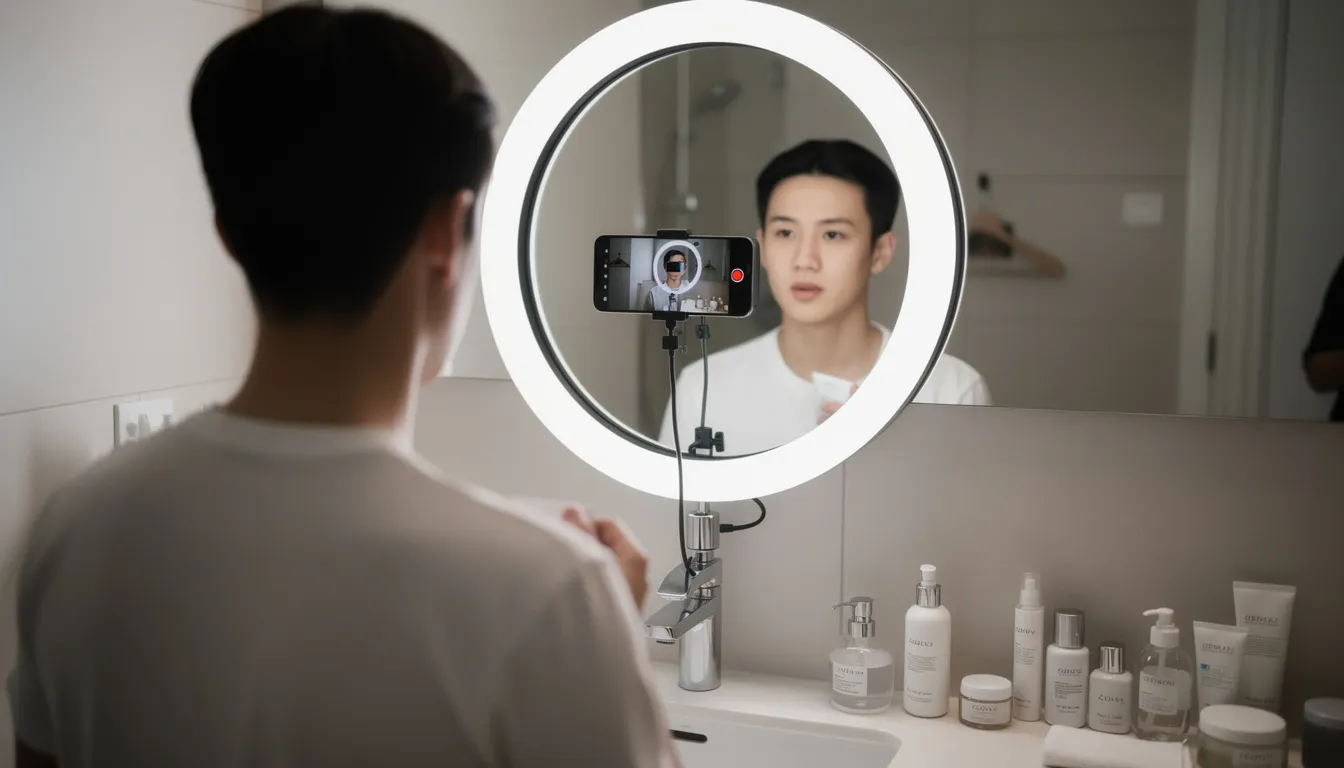
What makes influencer content powerful is how it appears. Instead of interrupting the user experience like traditional advertisements, influencer content shows up natively in feeds alongside organic posts. A skincare brand sponsoring a 2020 TikTok “morning routine” video feels like a friend sharing their favorite products, not a commercial break.
Disclosure is legally required. In the US, UK, EU, and Australia, regulatory bodies mandate that influencers clearly label paid partnerships. You’ll see this as #ad, #sponsored, or platform-specific labels like Instagram’s “Paid partnership with…” tag. Failing to disclose can result in fines for both the brand and creator.
Effective influencer marketing is always a two-way partnership. The brand provides objectives, guardrails, and brand values to protect. The influencer brings creative freedom, format expertise, and the authentic tone that makes their audience trust them in the first place.
Not all influencers serve the same purpose. Understanding the tiers helps you allocate your budget strategically.
Tier
Follower Count
Best For
Nano
1K – 10K
Hyper-local campaigns, niche communities, authentic testimonials
Micro
10K – 100K
Strong engagement rates, cost-effective partnerships, targeted reach
Macro
100K – 1M
Broader awareness, product launches, seasonal campaigns
Mega/Celebrity
1M+
Mass brand visibility, mainstream recognition, major announcements
Nano influencers and micro influencers consistently deliver higher engagement rates than their larger counterparts. For small businesses and early-stage brands with limited budgets, these smaller influencers often provide better ROI than a single macro influencers partnership would.
Key platforms in 2026:
Platform choice should align with audience demographics. In 2020, TikTok dominated Gen Z attention while millennials remained heavily active on Instagram. Your social media strategy should meet your audience where they already spend time.
Social media influencers function as modern word-of-mouth. When an influencer promote a product, their recommendation carries the weight of a trusted friend rather than a corporate message. This shortens the path from discovery to purchasing decisions significantly.
The data around 2020 made this clear: the majority of Gen Z and millennials checked creator opinions and social media content before making purchases in categories like beauty, fashion, fitness, and tech. A brand’s message delivered through a trusted creator landed differently than the same message in a banner ad.
Influencer marketing also solves the ad fatigue problem. As social media users installed ad-blockers and learned to scroll past promotional content, influencer content continued to drive engagement by appearing as native posts rather than interruptions.
Think of the marketing funnel:
In 2020, direct-to-consumer brands in fashion, beauty, fitness, and gaming were particularly dependent on influencer partnerships to scale quickly. Many influencers became the primary customer acquisition channel for these brands, outperforming paid social advertising on cost-per-acquisition.
Here’s why influencer marketing campaigns outperform other channels for many businesses:
Higher trust and authenticity
Followers perceive top influencers as more relatable than traditional celebrities or corporate spokespeople. An Instagram influencers sharing their genuine experience with a product creates established credibility that money can’t buy through traditional advertising.
Precise targeting
Instead of broadcasting to broad TV audiences, you can select suitable influencers by niche. Vegan cooking, sneaker culture, home workouts, sustainable fashion whatever your category, there are creators with engaged audiences ready to hear about relevant products.
Cost-effectiveness
Micro and nano collaborations regularly outperform large ad buys. A brand with $10,000 might reach more engaged potential customers through 20 micro-influencers than through one influencer with millions of followers. This makes influencer marketing accessible for small businesses.
Content creation at scale
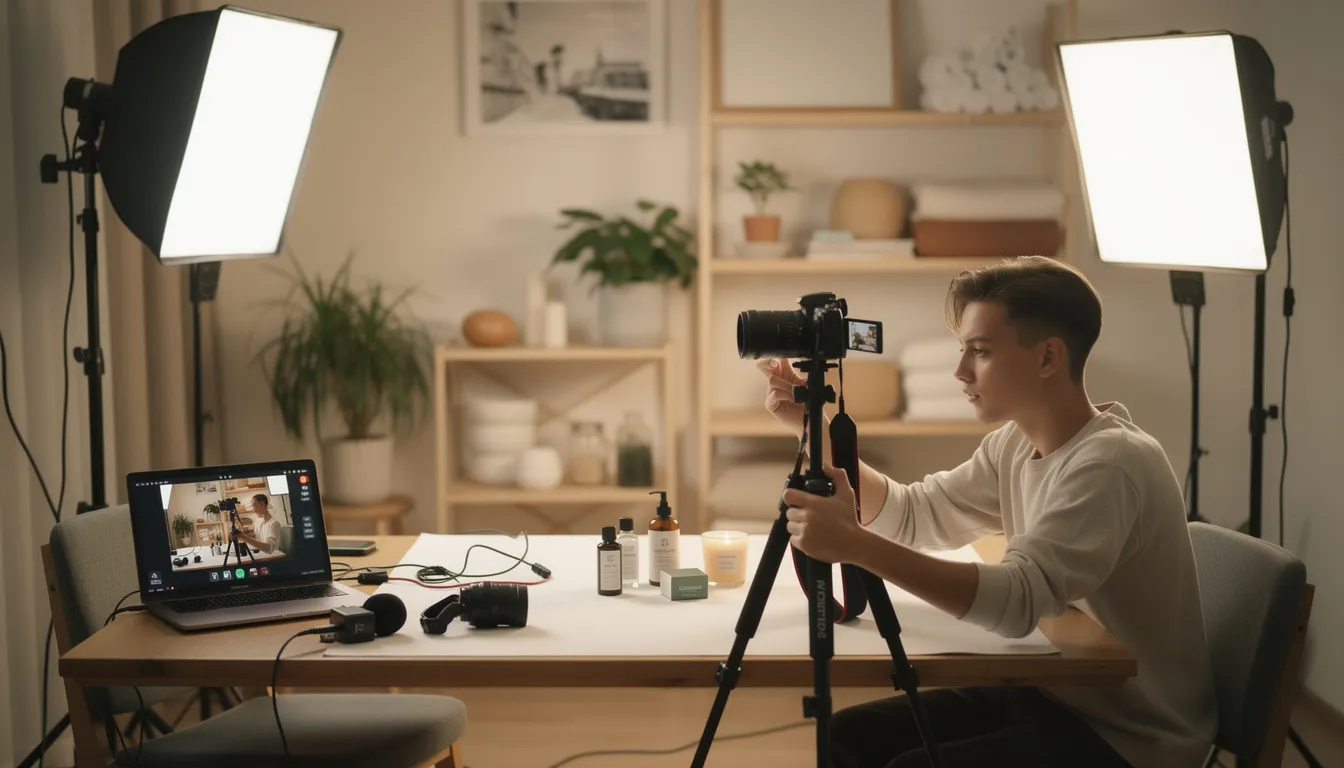
Influencers produce photos, videos, and stories that you can repurpose across ads, websites, and email campaigns. One influencer campaign might generate dozens of content assets you can use throughout 2020 and beyond.
Measurability
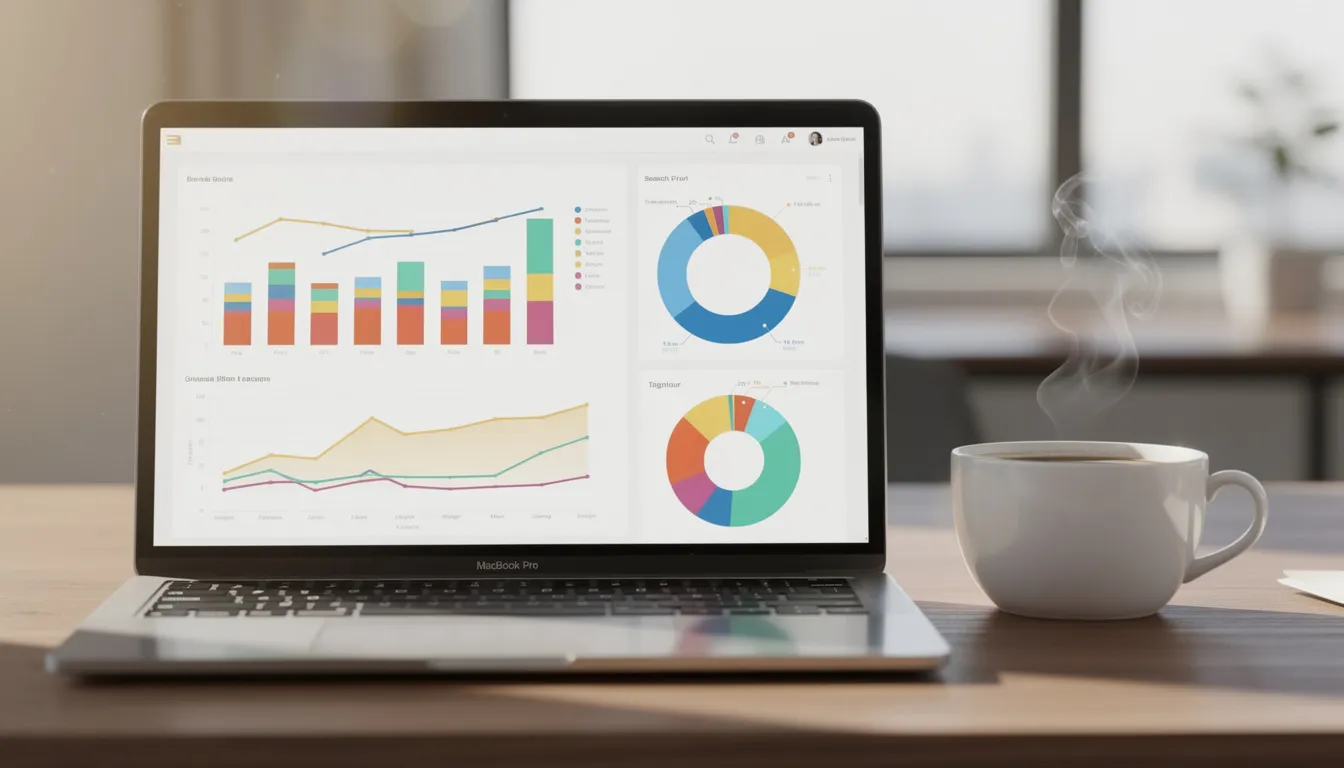
Unlike brand visibility campaigns of the past, modern influencer marketing offers clear tracking:
Speed and agility
In 2020, this advantage became critical. When COVID-19 lockdowns shifted consumer behavior overnight, brands could brief influencers remotely and pivot messaging within days. Traditional advertising production couldn’t match this flexibility.
The 2026 landscape presented unique opportunities and challenges. TikTok was rising rapidly, Instagram remained dominant, and global lockdowns drove unprecedented increases in online shopping and social media consumption. Here’s how to approach your campaigns:
Start with clear, measurable objectives
Before you find influencers, define what success looks like. Examples:
Prioritize micro and nano partnerships
For most brands in 2026, a mix of micro influencers delivered the best results. Reserve macro influencers for major seasonal pushes like Black Friday or holiday campaigns when you need maximum reach. The day-to-day awareness building works better with smaller influencers who have higher engagement rates and more personal relationships with their audiences.
Focus on formats that worked in 2025
The pandemic reshaped content consumption. Formats that performed exceptionally well included:
Build always-on relationships
One-off sponsored posts rarely deliver lasting impact. Instead, structure 3-6 month collaborations where the influencer’s followers see repeated mentions over time. This builds familiarity and trust, making the influencer content feel less like advertising and more like genuine enthusiasm.
Adapt to 2020’s realities
Remote product seeding replaced in-person events. Messaging needed sensitivity around COVID-19 realities. Audiences responded to empathy and value over aggressive selling. Brands that acknowledged the moment while still offering genuine solutions built stronger connections than those that ignored the context entirely.
Here’s a practical framework for launching your first influencer campaign or optimizing your existing approach.
Step 1: Define your audience
Get specific about who you’re trying to reach. “Women who like fashion” isn’t enough. Instead: “US women aged 18-30 interested in sustainable, cruelty-free fashion, primarily active on Instagram and YouTube, with household income above $50,000.”
The more precise your target audience definition, the easier influencer outreach becomes. You’re not looking for the biggest creators you’re looking for the right influencers whose followers match your ideal customer.
Step 2: Set measurable goals
Tie your campaign to numbers you can actually track:
Without specific goals, you can’t measure campaign performance or know where to reinvest.
Step 3: Choose platforms and influencer tiers
Match your goals and budget to a realistic creator mix. A $15,000 quarterly budget might support:
Step 4: Find and vet influencers
Influencer choosing requires more than checking follower count. Manual vetting should include:

Step 5: Craft a clear brief
Your brief makes all the difference between content that converts and content that falls flat. Include:
Step 6: Launch, track, and optimize
Once content goes live, your job isn’t done. Monitor performance across all creators:
The influencer marketing industry operates under real regulatory scrutiny. In 2020, enforcement was ramping up globally.
Key regulatory requirements:
Region
Authority
Core Requirement
US
FTC
Clear disclosure of “material connection”
UK
ASA/CAP
Obvious labeling of ads, including gifted products
EU
Various national bodies
Transparent identification of commercial content
Australia
ACCC
Clear distinction between organic and paid content
Failing to disclose #ad or paid partnership status can result in fines and serious brand reputation damage. Several high-profile enforcement actions after 2017 put both brands and creators on notice.
Common mistakes to avoid:
Addressing influencer fraud
In 2024, fake followers remained a significant industry problem. Before partnering, check for:
Ethical considerations
Beyond legal compliance, consider the broader impact. Mental health awareness, realistic body images, and honest before-and-after claims matter especially in fitness and beauty verticals. Brands that push misleading promotional content through virtual influencers or human creators risk backlash from increasingly savvy audiences.
The strategies brands adopted in 2026 laid the groundwork for the next phase of the industry. Always-on creator programs became standard. User-generated content fueled paid social campaigns. Long-form educational content on YouTube grew as audiences sought depth over disposable entertainment.
Emerging developments were already visible: virtual influencers began gaining traction as brands experimented with entirely digital personalities. AI-assisted creator discovery tools made finding suitable influencers faster. Social commerce features like Instagram Shop and TikTok shopping started blurring the line between content and transaction, allowing audiences to purchase without leaving the platform.
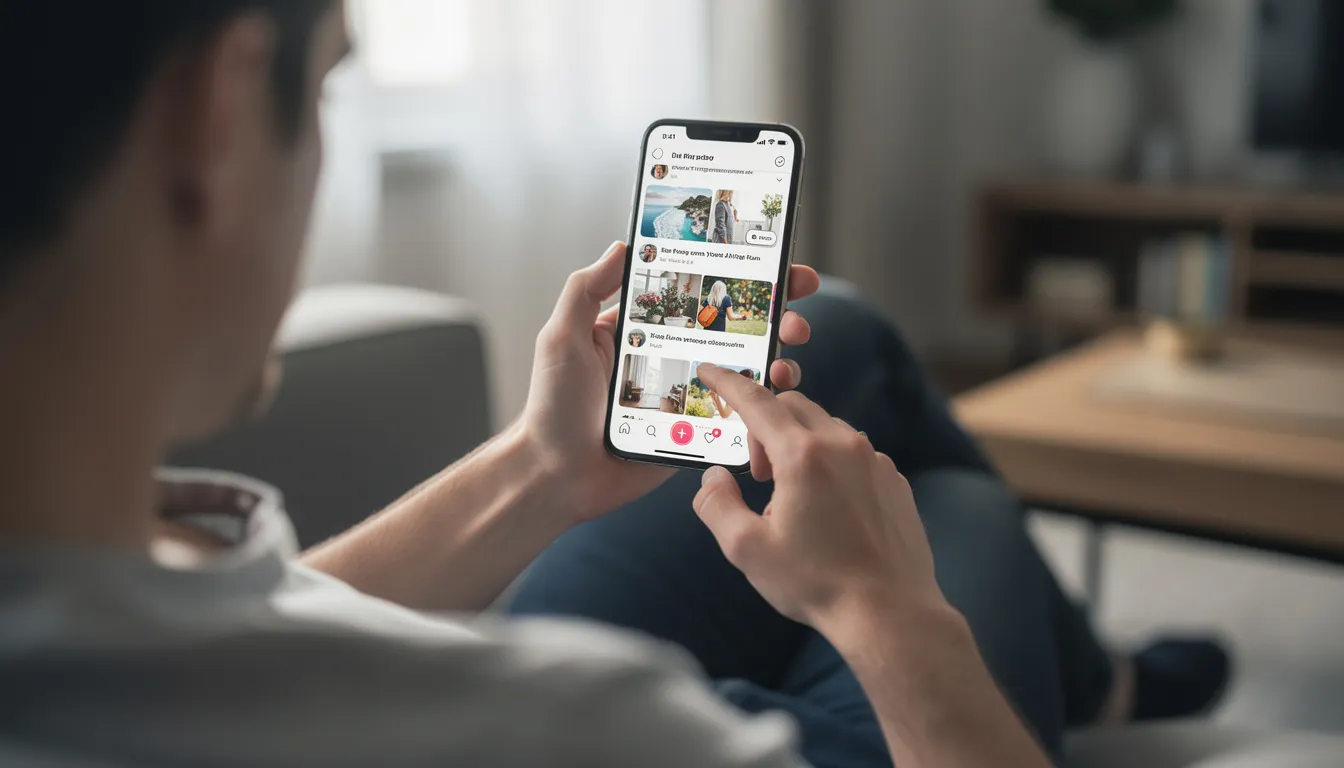
Brands that built genuine creator communities around 2026 gained something competitors couldn’t easily replicate: trust and attention from engaged audiences. As social media platforms continue evolving and new online channels emerge, influencer marketing has become not just a tactic but a core pillar of modern business growth strategy.
The opportunity is clear. Start by identifying 5-10 potential influencer partners who align with your personal brands values and audience. Set measurable goals for your first campaign. Test, learn, and reinvest in what works. The brands that gain traction now will be the ones leading their categories in the years ahead.