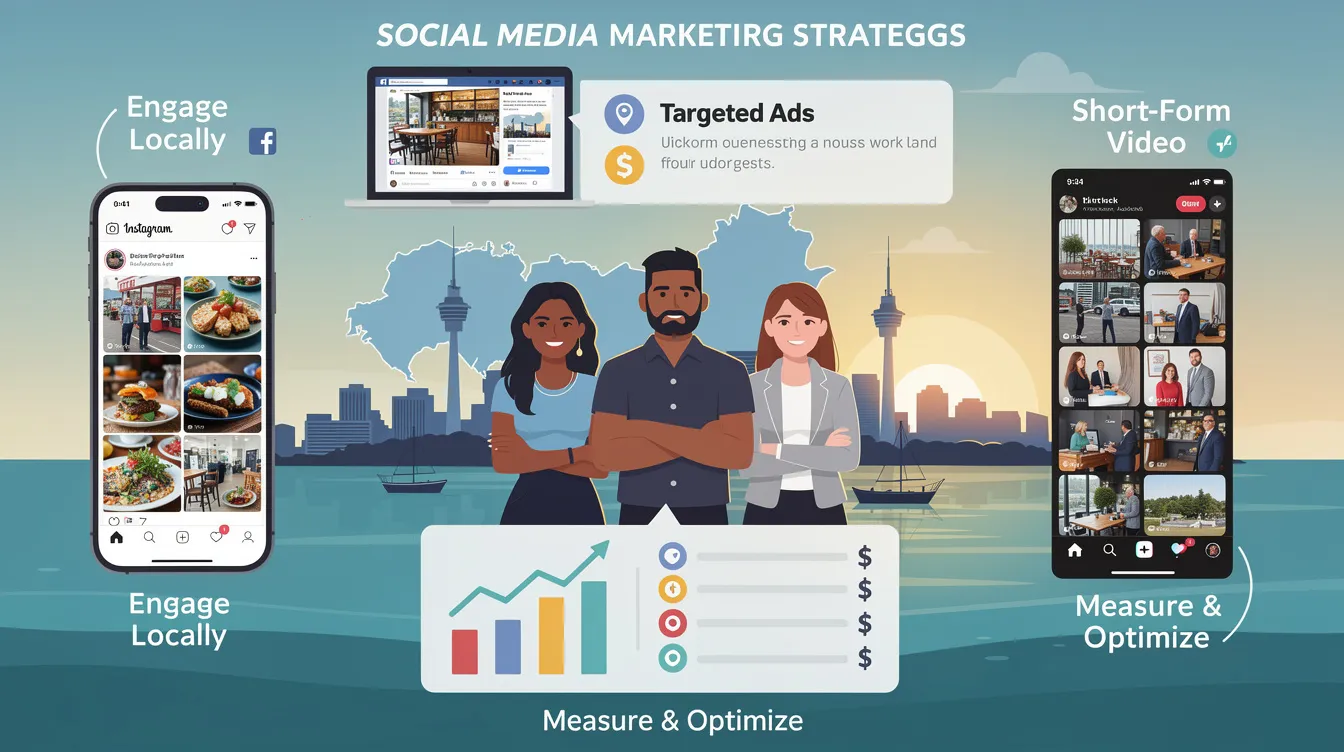

Auckland businesses wanting to grow through social channels face a unique set of challenges: a concentrated population, rising ad costs, and audiences that reward local authenticity over polished corporate content. This guide walks through the social media marketing strategies that actually drive leads, revenue, and brand loyalty for auckland businesses and new zealand businesses more broadly in 2026.
82% of New Zealand's population uses social media actively, and Auckland's roughly 1.4 million residents cluster heavily on Facebook, Instagram, TikTok, and LinkedIn. Social media allows businesses to engage directly with customers in ways that billboards and Yellow Pages never could. For a city this connected, ignoring the social media landscape is leaving money on the table.
A strong social media presence supports the business goals Auckland companies care about most. Ponsonby and Newmarket retailers drive foot traffic through Instagram Stories and Facebook Events. Hospitality operators in Britomart and Takapuna fill weekday bookings via targeted social media ads. Professional services firms in the CBD and Albany generate leads through LinkedIn thought leadership. Social media marketing can boost brand awareness significantly across all of these categories.
What makes Auckland different from larger markets? NZ's small population means your target audience saturates quickly, so quality targeting and creative matter more than sheer spend. Cost per click in niche B2B sectors is rising, local community focus is stronger than in most global markets, and mobile usage is very high. These dynamics reward businesses that create content rooted in real Auckland life rather than recycling generic templates.
Consider Dive HQ Auckland, which used Meta and TikTok video campaigns starting late 2024 and generated nearly NZ$170,000 in revenue within three months at a roughly 16:1 return on ad spend. That is what happens when a clear digital marketing strategy meets locally relevant creative.
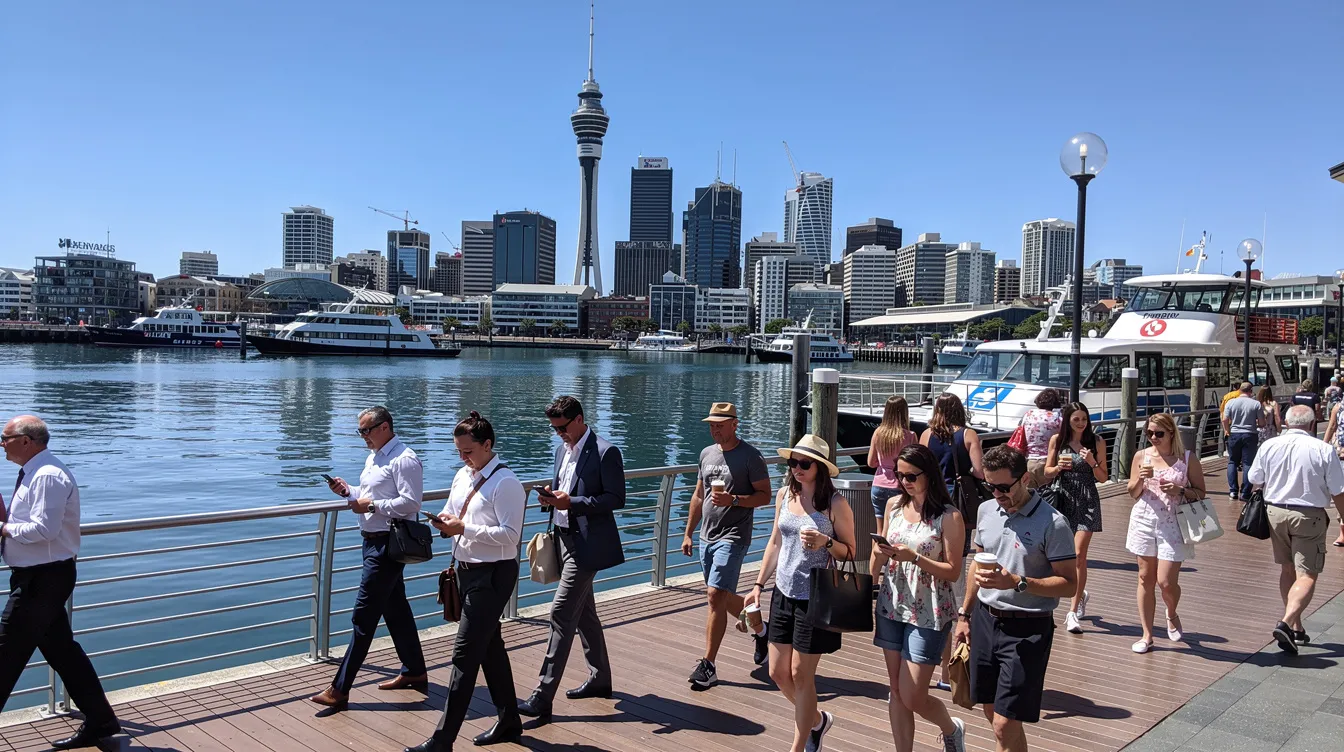
Effective media marketing starts with the business plan, not with "posting more Reels." Before opening any social media platforms, define what you actually need social to do. Effective social media management requires significant time and resources, so spending those resources without direction is wasteful.
Common objective types for Auckland businesses include:
Turn each objective into measurable social goals. A Henderson trades business might target "10 qualified enquiries per week from West Auckland suburbs." A Remuera dental practice might aim for "20% increase in new-patient bookings by October 2026." These specifics shape every decision that follows.
Your one-page social media strategy outline should cover: target audience and specific demographics, two to three chosen social platforms, content pillars, a realistic posting and marketing budget for both organic and paid, and key metrics. Building owned audiences alongside social followers, such as an email list or SMS database, is important for long-term success. Building trust over time is crucial, so plan for sustained effort rather than a quick campaign.
Most Auckland businesses are better off focusing on one to two primary social platforms plus one support channel rather than spreading thin across every network. Auckland businesses should prioritize social media platforms where their audience spends time.
Facebook is the largest platform in New Zealand, with 66% of Kiwi adults using it daily. It remains the default for reaching 30 to 60 year-olds in Auckland and is strong for local businesses, community groups, and event promotion. Instagram is popular with the 18–45 demographic in NZ, making it ideal for visual brands in food, fashion, beauty, and fitness. TikTok is the fastest growing platform in New Zealand, particularly powerful for younger demographics and lifestyle brands that can produce short video content consistently. LinkedIn is essential for B2B marketing in Auckland and suits accountants, SaaS firms, lawyers, and professional services based in the CBD and Newmarket. YouTube is the second-largest search engine globally and works well for in-depth educational video content. Niche use of X or Snapchat is occasionally relevant for specific audiences.
To prioritise, ask three questions. Where do your potential customers spend time online? What content can your team realistically create, whether that is video content or written posts? And what is your sales process: online checkout or phone calls?
An Auckland boutique gym might choose Instagram and TikTok to showcase workouts filmed at their studio and build a personal brand through trainer content. A commercial law firm would choose LinkedIn and YouTube for thought leadership articles and explainer videos. Different demographics require different digital strategy choices.

Engaging content for kiwi audiences should feel local, human, and specific to suburbs, landmarks, and Kiwi culture. Generic stock imagery rarely builds the kind of community engagement that drives results. A content mix should include educational, behind-the-scenes, and customer-focused posts.
Here are five content pillars Auckland brands can build their content strategy around:
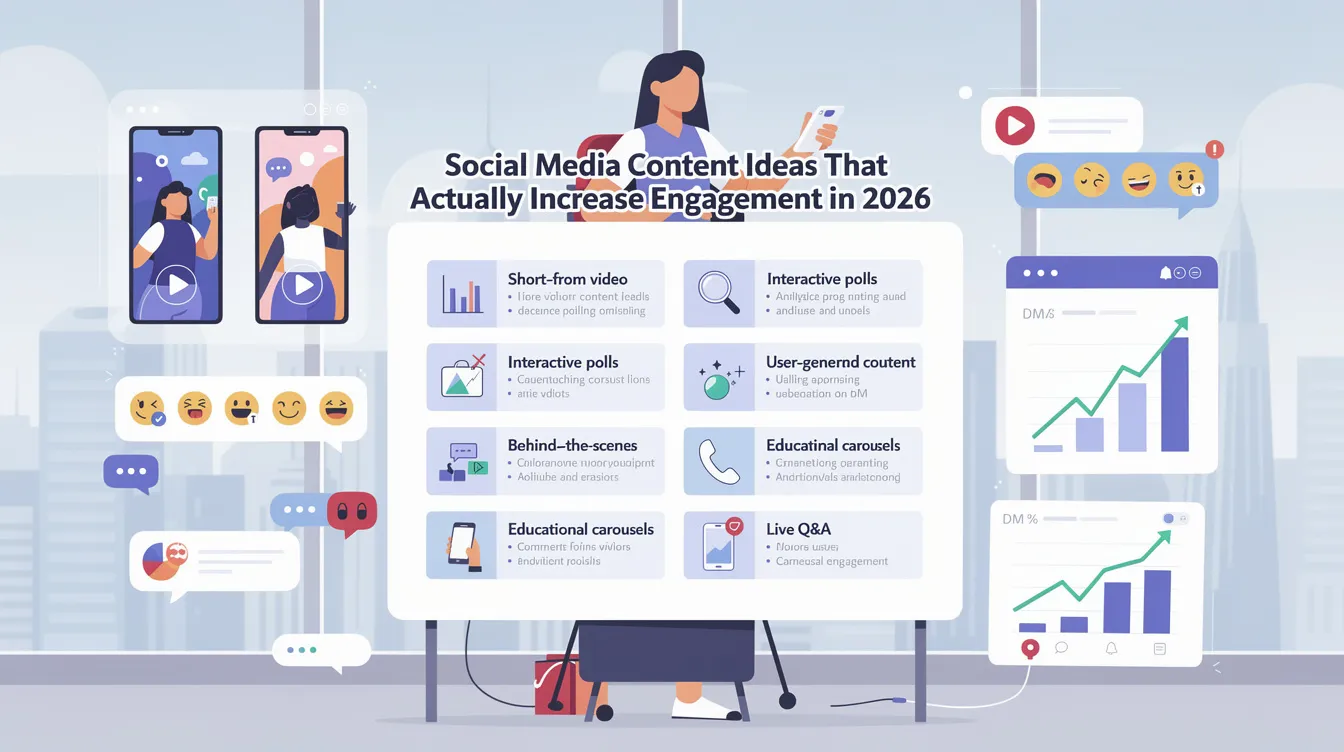
Short-form video leads in social media engagement. Reels, TikToks, and short YouTube clips filmed in recognisable Auckland settings like Viaduct Harbour, K Road, or Mt Eden consistently outperform generic footage. Aim for 80% value content and 20% promotional posts to keep your audience engaged without feeling sold to.
User generated content builds trust and community around brands. Ask customers to share photos at your venue, re-post reviews from Google and Facebook, and run simple UGC competitions while following NZ giveaway rules. Posting consistently helps maintain audience engagement, and regular posting increases customer engagement and brand recall over time. Community engagement can take various forms including events and user-generated content.
Keep the tone conversational and down-to-earth. Use real staff and customers in imagery, not just polished stock. Mix formats: carousels, stories, live streams, and FAQ posts. Subtle use of te reo Māori phrases like nau mai or whānau shows cultural respect, especially around events like Auckland Anniversary Weekend, Pasifika Festival, and Eden Park games.
Hyper-local relevance is a major advantage for local businesses, especially those with physical locations or defined service territories. Auckland businesses should focus on local relevance in marketing because it directly reduces costs and increases conversions. Successful marketing involves consistent engagement with the local community.
Segment your organic social media content and social media advertising by area: West Auckland, North Shore, South Auckland, East Auckland, and specific suburbs such as Henderson, Takapuna, Pukekohe, and Grey Lynn. Naming the suburb in captions or visuals has reduced lead costs by around 30 to 40% in NZ campaign testing. When a local audience sees their own suburb mentioned, relevance goes up and scroll-past rates go down.
Seasonal and event-based content tied to the Auckland calendar performs strongly. Summer beach content, winter home-improvement promotions, school holiday offers, and tie-ins to the Auckland Arts Festival or Black Friday trading all create timely hooks. Wendy's NZ used weather-triggered creatives across Auckland and Waikato, and exceeded their year-on-year growth target by 47%.
Use geotags, local hashtags like #aucklandbusiness and #supportlocalnz, and use 5 to 15 relevant hashtags on Instagram posts to extend reach. Collaborate with local cafés, gyms, and community groups for authentic partnerships that amplify your social presence to a wider local audience.

Organic reach alone is rarely enough in 2026. Auckland businesses typically need paid campaigns on Meta, TikTok, or linkedin ads to reliably generate leads and more customers. Targeted paid advertising can enhance organic social media efforts and create a consistent pipeline.
Starter marketing budget ranges for Auckland SMEs:
Structure campaigns as a simple funnel. Awareness campaigns use broad Auckland or suburb targeting. Consideration campaigns retarget website visitors and engaged users. Conversion campaigns focus on people who visited key pages or started checkout. Effective strategies test two to three ad creatives per campaign and refresh monthly to combat creative fatigue.
Offers that convert for Auckland businesses include free site visits, free consults, "from $X per week" pricing, and limited-time seasonal deals. Highlighting real customer outcomes works better than discounts alone. MSME, an Auckland sheet metal fabrication business, generated NZ$568,000 in revenue from 532 leads over 12 months, with a cost per lead of roughly $49 and an average job value of $7,700. That is the power of meta ads paired with strong creative and clear offers.
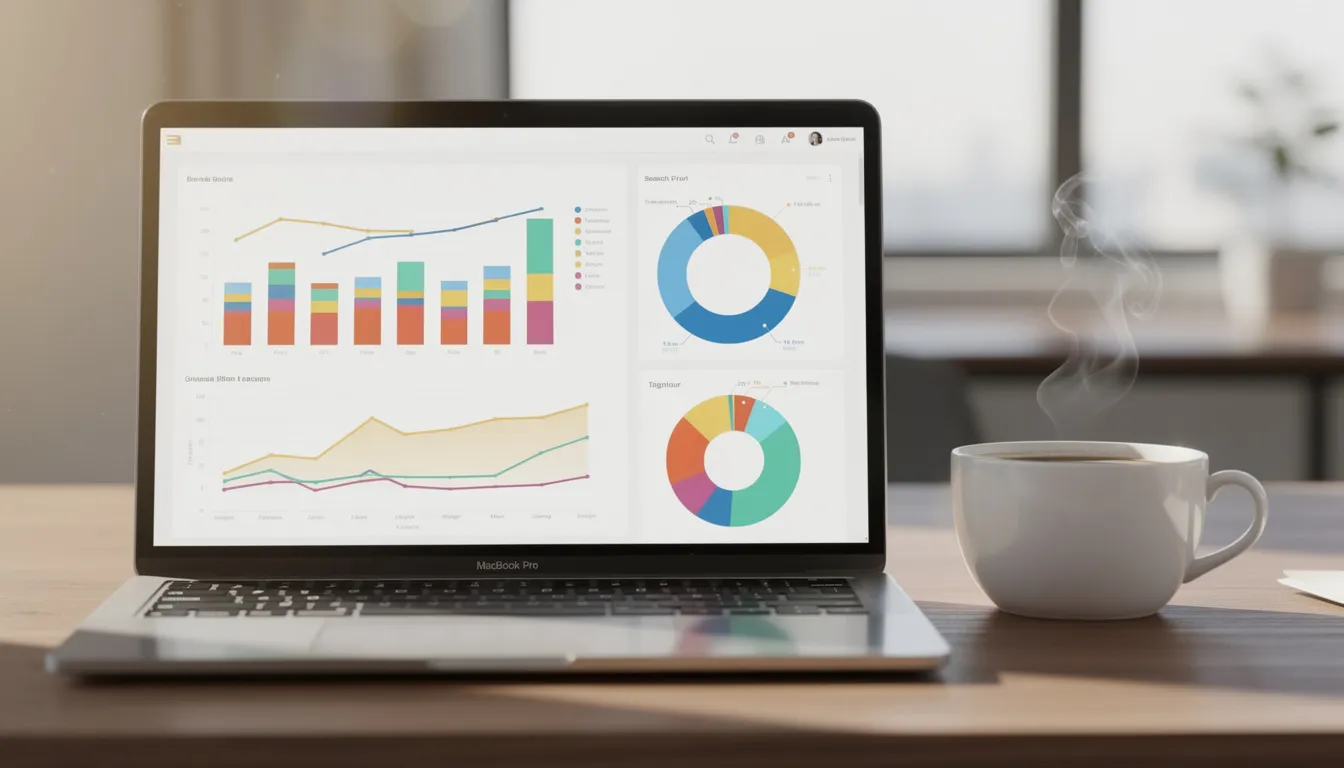
Auckland businesses should move beyond vanity metrics like follower counts and focus on metrics aligned with business goals, not vanity metrics. The goal is to connect social media performance directly to revenue, bookings, or leads.
Key metrics to track:
Build a simple measurement stack: native platform analytics from Meta, TikTok, and LinkedIn, google analytics 4 for website traffic and behaviour, utm parameters on every link to track source and creative, and a basic CRM or spreadsheet to attribute leads to each platform. Set up conversion events such as lead form submissions, online bookings, or add-to-cart actions on Meta and TikTok so algorithms optimise for real outcomes, not just clicks.
Here is a worked example. Airscape, an Auckland AC and refrigeration company, overhauled their tracking and creative approach. Their conversion rate climbed from 1.11% to 15.79%, cost per conversion dropped roughly 85%, and they saw 440% more conversions year-over-year. That kind of improvement comes from measuring what matters and acting on the data.
Run fortnightly or monthly review cycles. Assess which creatives, suburbs, and platforms are performing. Pause what doesn't work. Shift budget toward what does. This is the core of any effective digital marketing strategy.
Auckland businesses must follow New Zealand's advertising and privacy rules when running social media campaigns. Getting this wrong can mean complaints, brand damage, or legal exposure.
The Advertising Standards Authority (ASA) requires truthful claims, clear identification of ads and influencer marketing content, and no misleading promotions. Influencer content must be labelled as sponsored or ad. The new Therapeutic and Health Advertising Code, effective April 2026, adds stricter rules for health-related claims.
Under the Privacy Act 2020, collecting data through lead forms, pixels, and email lists requires consent, secure storage, and opt-out options. 65% of NZ adults are concerned about how businesses use their personal data, so transparency is not optional.
For competitions and giveaways on Facebook and Instagram, publish clear terms, draw winners fairly, and follow each platform's promotion guidelines. When using te reo Māori, consult Māori advisors or staff and support genuine initiatives rather than using words for aesthetics. For complex campaigns, seek legal advice.
Here is a simple chronological roadmap any small business owners or marketing managers can follow to implement a comprehensive strategy.
Days 1–30: Planning and setup. Define your business objectives and choose two social media platforms. Confirm your monthly marketing budget. Set up tracking: install Meta Pixel, create utm parameters for all campaign links, and connect google analytics to your website. Shoot 10 to 15 short videos around your location showing real work, real staff, and real results. Build a basic content calendar covering your content pillars. Building owned audiences alongside social followers, such as starting an email list, sets you up for long-term success.
Days 31–60: Launch and learn. Publish high quality content three to five times per week on your chosen platforms. Launch an initial test paid campaign focused on two priority suburbs, for example Mount Roskill and Howick. Monitor lead quality daily. Respond to comments and messages promptly because consistent engagement fosters long-term customer relationships and brand loyalty.
Days 61–90: Optimise and scale. Review your social media performance data. Adjust creatives every two to three weeks based on what is converting. Pause underperforming ads and shift budget to winners. Document results in a simple report. Refine your marketing strategy based on real data. Consider when to bring in a social media agency or specialist if growth stalls or you need help scaling your marketing efforts across the digital ecosystem.

These answers address common Auckland-specific questions, with practical references to real budget ranges, timelines, and local factors.
Most Auckland SMEs see early engagement within two to four weeks and meaningful lead or sales patterns within 60 to 90 days if running consistent relevant content and paid campaigns. Highly competitive sectors like Auckland real estate, law, and trades may need several months of optimisation before ads reach their best cost per lead. The key is to create content consistently and not abandon the digital landscape too early.
Many small businesses and local service companies start between NZD $1,000 and $3,000 per month on Meta or TikTok, while B2B firms often invest $1,500 to $5,000 per month on linkedin ads due to higher click costs. Results depend on your offer, creative quality, website, and sales process. Test budgets first, then scale once you find profitable campaigns that bring in new customers.
Many businesses start in-house handling organic posts, simple boosting, and basic social media management. They then bring in a social media agency when they want to scale or need specialist skills in creative production, tracking, or developing a cohesive digital marketing strategy. An agency is especially helpful for paid media, analytics, and linking social to other channels in the broader digital ecosystem.
Plan to post 3 to 5 times per week on Facebook and Instagram. On LinkedIn, two to four posts per week works for most B2B brands. For businesses leaning into video content on TikTok or Reels, three to seven posts per week is ideal. Consistency and high quality content matter more than daily posting. It is better to sustain a realistic schedule for 6 to 12 months than to burn out after a few weeks on any social media profiles.
Respond quickly, politely, and publicly where appropriate. Acknowledge the issue and invite the person to continue the conversation via DM or email. Engage with your audience by responding to comments promptly because the wider Auckland audience is watching how you handle it. Deleting comments should be reserved for spam, hate speech, or abuse. Genuine complaints handled well can actually build relationships and demonstrate good customer service to every potential customer who reads the thread.