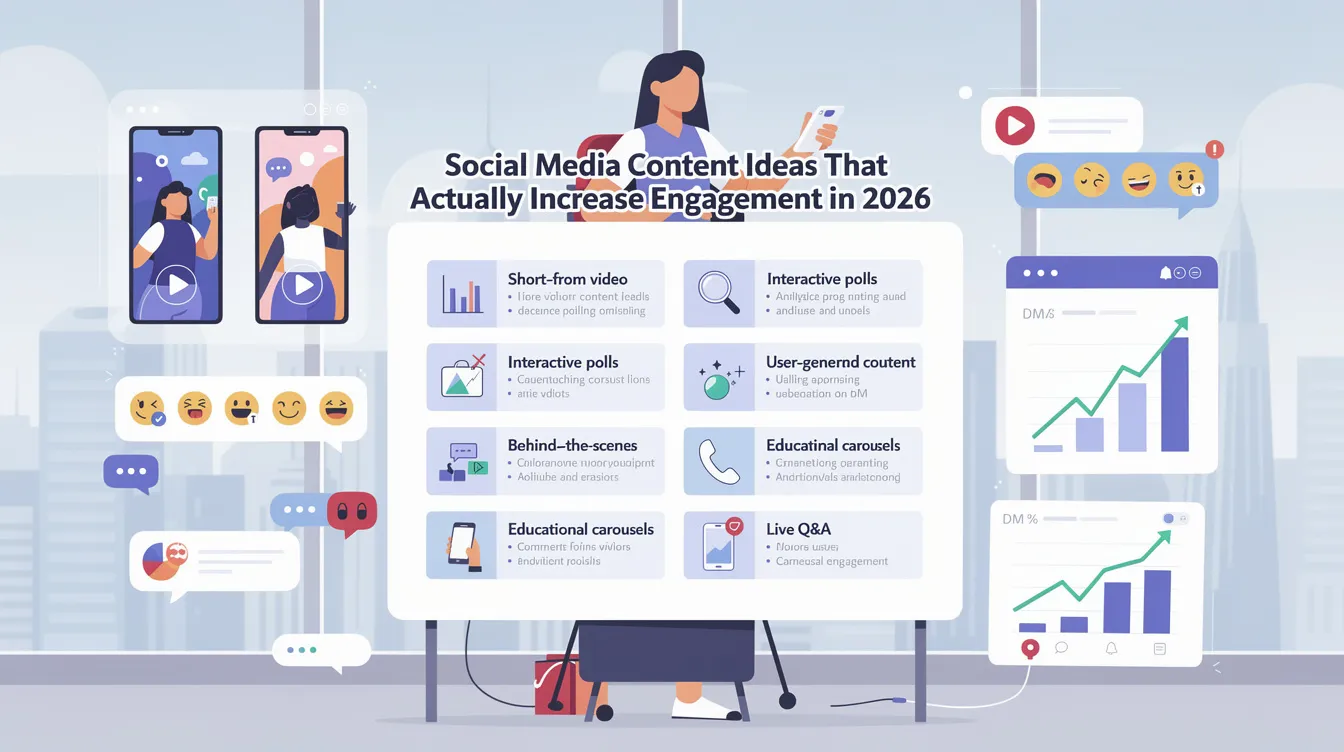

Most brands post consistently and still watch their engagement flatline. The problem is rarely frequency. The problem is that the content itself does not give people a reason to stop, react, and respond. This guide covers specific social media content ideas that increase engagement, backed by 2026 platform data and campaign results you can benchmark against.
In 2026, social media platforms rank content by depth of interaction, not volume of likes. Instagram weighs saves, shares (including private sends via DM), comment length, and video completion rate when deciding what to push into Explore and Recommendations. A post that 200 people save and 50 people send to friends will outperform a post that 2,000 people tap "like" on and then forget. The same principle applies across TikTok, LinkedIn, and Facebook.
Engaging content is anything that gets a user to take a measurable action: respond to a question, save a carousel for later, share a Reel to a group chat, or click through to a website. Those actions connect directly to tangible outcomes like website traffic, email signups, and sales, which is why social media engagement sits at the center of any serious digital marketing and content marketing strategy.
A Metricool analysis of 24.3 million Instagram posts across 375,000 accounts found that Reels and carousels outperform single-image posts by 4× on interaction count. Average watch time for Reels more than doubled year-over-year to 8.5 seconds. On LinkedIn, document posts (PDFs uploaded as carousels) regularly outperform standard text posts in saves because readers bookmark them as reference material. Successful high-engagement social media posts rely on authenticity and humor rather than polish. Humor and authentic brand personality outperform overly promotional messaging every time.
Before brainstorming social media post ideas, define the specific engagement metrics you want to move. Without a target, you cannot evaluate whether a post worked or just felt good to publish.
Here is a checklist to set your goals:
Dropps, an eco-friendly laundry brand, set a goal to grow ambassador-generated content. They recruited 500+ ambassadors in 60 days, produced a 12× increase in UGC, and achieved a 21.6% engagement rate with 7.3× ROI on rewards. Their goals were specific: more UGC volume and higher per-post engagement. The content strategy followed from there.
The fastest way to waste a good social media content idea is to aim it at the wrong people. Audience research does not need to be complicated, but it does need to happen before you build a content calendar.
Personalization encourages sharing. When content reflects the specific problems and preferences of your audience, they are more likely to send it to a colleague or friend.
A content calendar should map 4-6 recurring series per week rather than a string of unrelated posts. Repetition builds anticipation. When your audience knows "Tutorial Thursday" happens every week, they come back for it.
Here is a sample weekly schedule:
Use tools like Notion, Google Sheets, or Trello to plan social media posts 2-4 weeks in advance. Leave one or two slots open each week for trending topics or real-time content.
Annotate each calendar entry with its target engagement metric (e.g., "Goal: saves" or "Goal: comments"). This forces content creators to design every social media post with a clear purpose rather than posting for the sake of frequency.
Questions are one of the fastest ways to boost engagement because they demand a response. Posts with questions generate 100% more comments than standard posts. The algorithm registers each reply as a signal of value, which pushes the post to more people.
Tailor the question style to the social media platform:
Here are 10 prompts you can swap into posts immediately:
These prompts maintain audience interest because they require thought, not just a tap. They also generate relevant conversations in your comments section that the algorithm rewards.
Interactive content includes polls, quizzes, and Q&A sessions. These interactive formats force users to take action: tap a poll option, move an emoji slider, select a quiz answer. Each interaction counts as engagement and signals to the algorithm that the content is worth distributing further. Interactive content formats like quizzes boost engagement, and polls boost engagement by transforming passive consumers into active participants.
Where to use them:
Instagram and Twitter offer built-in features for creating polls, making them simple to add without third-party tools.
Peelz Citrus ran a UGC campaign where instagram stories with interactive stickers delivered engagement 2.5× higher than typical benchmarks. Using polls can also provide invaluable data about audience preferences, which you can use to plan future content. For example, a quiz asking "Are you a beginner or advanced at email marketing?" segments your audience and tells you what tutorials to create next. Keep options to two or three choices so users decide quickly.
Short-form videos are the most engaging content type on social media. TikTok, Instagram Reels, YouTube Shorts, and Facebook Reels all reward video content that holds attention in the first 3-5 seconds. Drop-off early kills reach; high completion rate multiplies it.
Hook formulas that work:
Length targets:
Visual posts get 94% more views than text-only posts, and short-form video takes that advantage further by combining movement, audio, and text overlays. Blank Canvas UGC turned product features into native video content and generated 185M+ views across 13,500 videos with a CPM of $2.16.
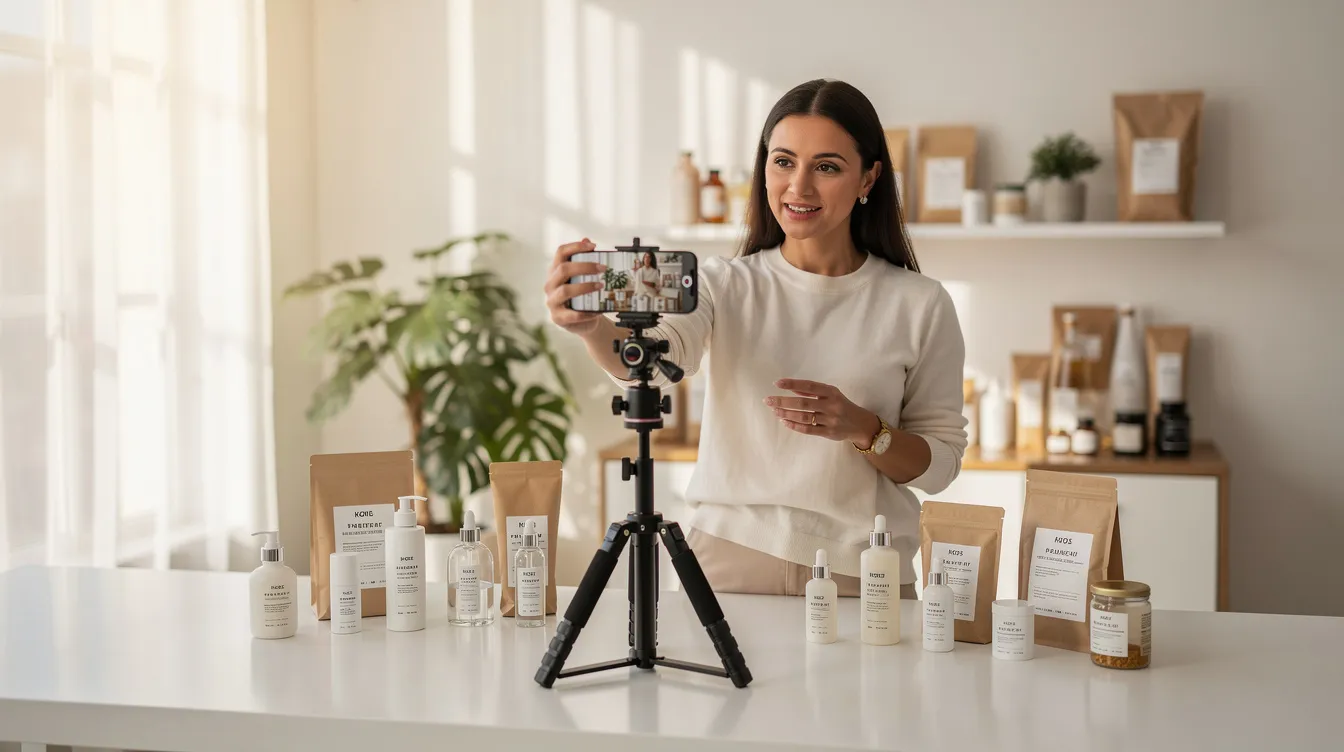
Keep production simple. Talking head, quick screen recordings, and simple text overlays allow content teams to batch-produce multiple videos in one session. You do not need a studio. A smartphone, natural light, and a clear hook are enough.
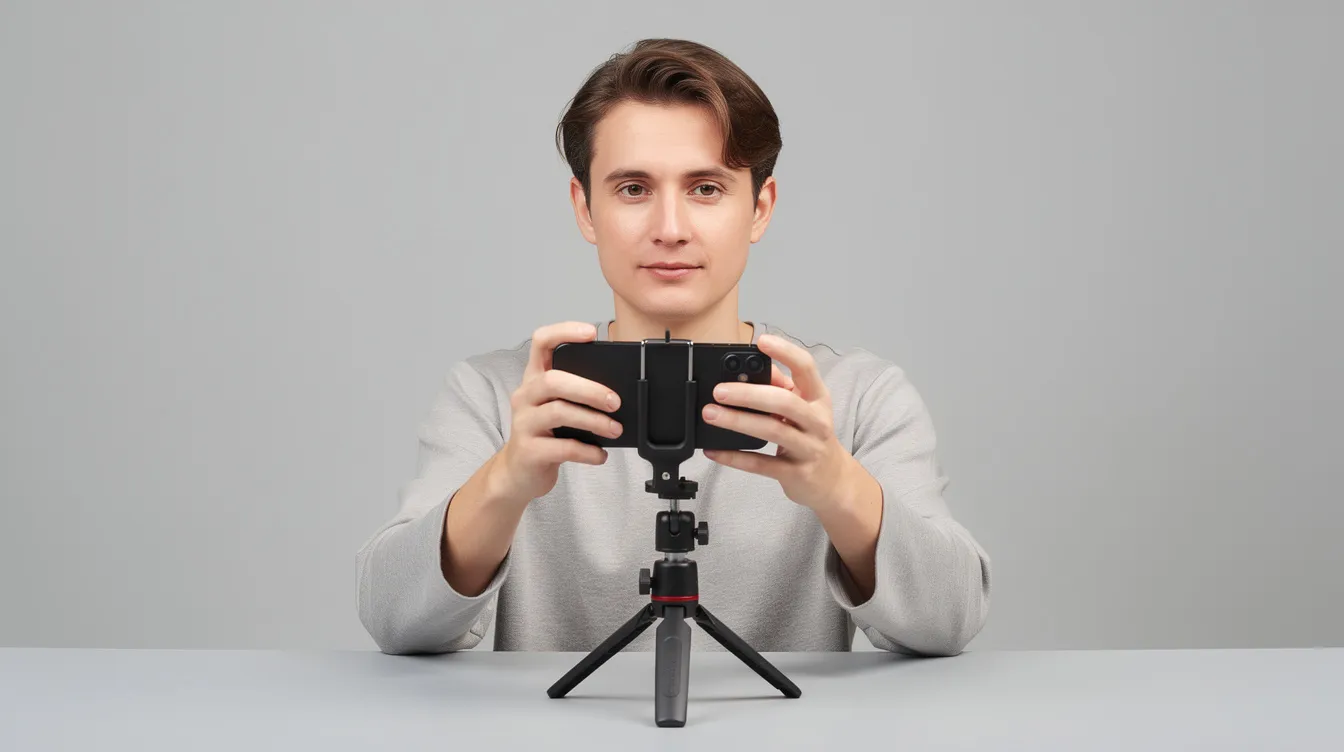
Behind the scenes content means casual, authentic behind the scenes glimpses into how products are made, how campaigns come together, or what a real workday looks like. BTS content humanizes brands by showcasing real people and processes. Behind-the-scenes content builds trust and authenticity with audiences, and it often leads to increased audience engagement and loyalty.
Concrete BTS ideas:
Behind-the-scenes content can increase audience trust and engagement because it replaces corporate polish with human reality. Successful brands like Starbucks use BTS content to connect with customers, showing baristas at work and new drink creation processes. BTS content is a cost-effective way to produce engaging social media posts; shoot on a smartphone and post with minimal editing.
Pair behind the scenes posts with captions that highlight company culture and values. Instead of "here's our office," write "our team tests every product three times before it ships, here's what round two looks like." That turns a generic behind the scenes post into a statement about quality.
User generated content (photos, videos, reviews, duets, stitches from customers) is one of the most effective ways to increase engagement and reduce production costs. User-generated content increases brand trust by 79%, and 70% of consumers trust user-generated content over brand content. UGC campaigns can boost engagement rates by 28% on average.
The business case is clear: brands using UGC see a 20% increase in return on investment, and user-generated content can reduce content creation costs by 50%.
Campaign ideas to encourage user generated content:
PopUp Bagels generated over 20,000 pieces of UGC in 2 months with an earned media value of $4.5M. That volume came from clear prompts and consistent encouragement of user participation.
Always secure permission and credit creators publicly. Failing to do so damages trust and can create legal issues.
Track engagement metrics on UGC vs. branded content side by side. In most cases, UGC will outperform branded content on shares and sends.
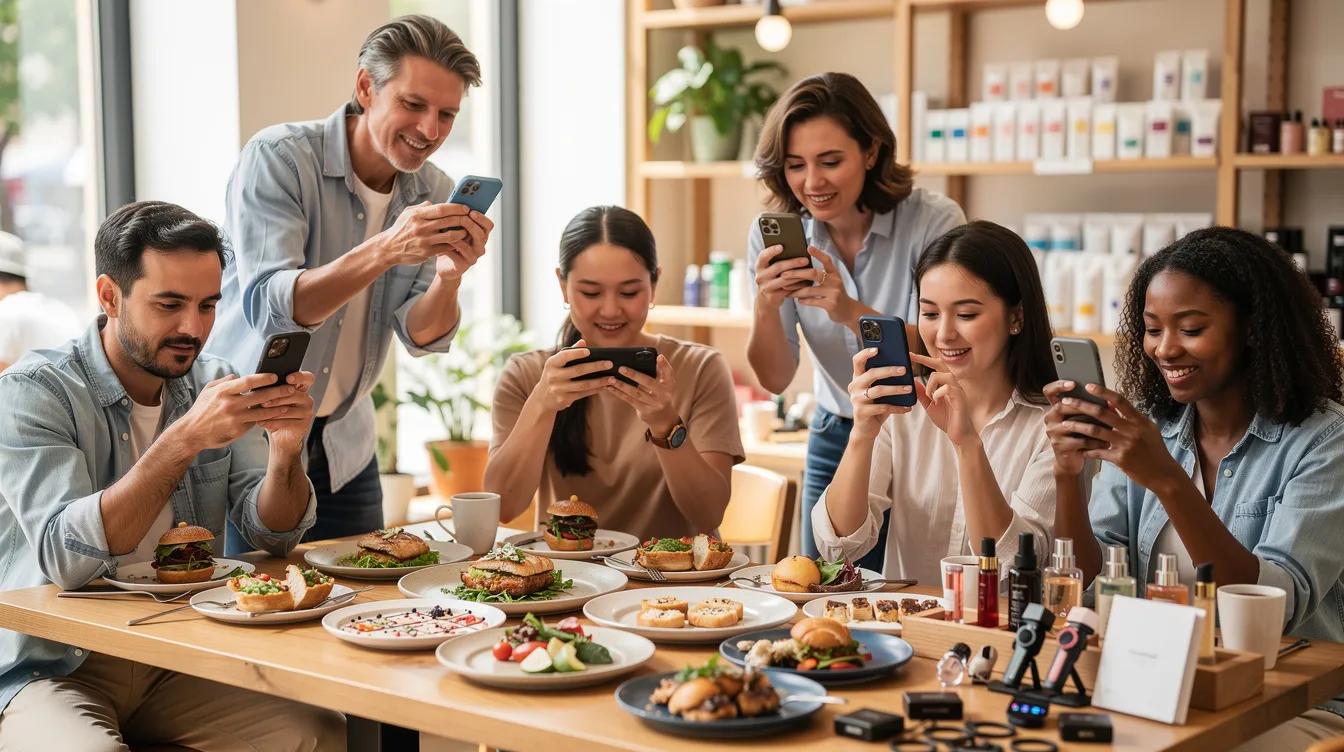
Real results from real customers generate higher saves and shares than self-promotional copy because they carry built-in credibility. Storytelling is generally more memorable than feature lists, which is why transformation narratives ("before 2025 vs. after working with us in 2026") resonate with audiences.
Formats that work:
The Shelf ran a UGC campaign for wellness brand ROAR Organic that combined emotional storytelling with customer content. The campaign produced 1M video views and 484K engagements across social media channels. The content was reused across paid and organic placements, extending its value.
Include a soft call to action at the end: "Comment 'case study' if you want the full breakdown." This drives further engagement and can generate leads through follow-up DMs.
Modern contests should be designed to increase valuable actions, not just pad follower counts. Entry mechanics that emphasize saves, shares, and content creation attract people who actually care about your product.
Entry mechanics that drive real engagement:
Keep rules simple. List eligibility dates clearly (e.g., "Runs 1-21 September 2026"). Check each platform's promotion policies before launching.
Prize selection matters. Choose prizes that tie back to your product or service. A year's supply of your product attracts potential customers. A generic gift card attracts people who will unfollow the day after the contest ends.
BrandGrowAgency ran a nano/micro creator wave for a festive product launch: 3.2M reach with a 9.1% engagement rate. The contest-like format of encouraging user participation through creative challenges produced results that generic follow-and-like giveaways cannot match.
Educational content builds trust and authority with your audience. How-to content is highly engaging and preferred by consumers because it solves a real problem. Educational posts can improve SEO and attract organic traffic, making them a dual-purpose investment for your content marketing efforts.
Step-by-step content, including tutorials, checklists, and how-to guides, is one of the strongest formats for saves and shares on LinkedIn, Pinterest, and Instagram.
How to structure educational posts:
Turn common customer problems into tutorial series. "30 Days to Better Engagement" or "Weekly Ads Audit Checklist for 2026" give you a content engine that runs for weeks. Industry-focused content helps audiences stay informed, and regularly sharing insights can drive qualified traffic to your site.
Include short, caption-level summaries plus optional links to longer resources (a blog post, a YouTube deep-dive) for readers who want more detail. This approach lets you repurpose content across formats and platforms.
Timely content tied to trending audio, memes, or relevant news cycles can temporarily spike reach and engagement when used thoughtfully. Trending topics can increase brand visibility, and brands can use trending topics for real-time engagement. Timely posts responding to current events boost engagement because they feel immediate and relevant.
How to find trends that fit:
Sharing industry news positions you as a thought leader, and industry insights attract professional networking opportunities, especially on LinkedIn.
Trend adaptation examples:
Avoid potentially sensitive topics (politics, polarizing social issues) unless they directly relate to your brand mission and you have a clear position. Forced trend-jumping without a unique twist looks inauthentic and can alienate your audience.
Peelz Citrus used bold, humorous UGC content in a trending style to reposition their snack category. The content felt native to each social media platform, used humor, and included parody; all of which made it shareable content rather than branded content disguised as entertainment.
Employee spotlights and culture posts tend to get strong engagement on LinkedIn, Instagram, and Facebook because they feel personal and relatable. People connect with people, not logos.
Recurring format ideas:
Connect company culture content to specific brand values (sustainability, remote work, continuous learning) rather than posting generic office photos. A post about "how our engineering team runs async standups across 4 time zones" says more about your culture than a group photo in matching t-shirts.
Use candid images or vertical videos instead of studio shots. The lo-fi approach preserves authenticity and keeps production time low, which helps you maintain a consistent social media presence without burning out your team.
Collaborations expand reach and engagement by tapping into adjacent audiences that already trust your partners. The key is choosing micro-influencers or niche partners whose audience closely matches your target audience rather than chasing large follower counts.
Collaboration formats:
BrandGrowAgency campaigns that paired brands with nano and micro creators saw engagement rates between 6.5% and 9.1%, well above typical benchmarks. The creators' content felt native to their feeds because they actually used and liked the products rather than reading a script.
Authenticity is non-negotiable. A partner who genuinely uses your product will create visually appealing content that resonates. A partner reading talking points will produce something audiences scroll past.
Live formats (Instagram Live, TikTok Live, LinkedIn Live, YouTube Live) generate spikes in engagement because they feel urgent and unscripted. Live videos can generate 6x more interactions than regular videos.
Live session themes:
Promote lives at least 24-72 hours ahead with reminder posts and countdown stickers on facebook and instagram stories to maximize turnout. Tag the topic in the promotion so followers know whether the session is relevant to them.
After the live session ends, save the recording and repurpose it. Cut the best 60-second segments into Reels or Shorts. Turn the key points into a carousel. Extract quotes for shareable content. One 30-minute live session can produce a week's worth of social media content across multiple social channels.
In 2026, document posts and carousels on LinkedIn and Instagram outperform single-image posts for saves and shares. Visual posts get 94% more views than text-only posts, and carousels combine visual appeal with depth.
Carousel structure that drives saves:
Transform existing blog posts, checklists, and frameworks into carousels with clean, branded layouts. Each slide needs a bold headline readable on a mobile screen. If someone cannot read your slide at arm's length, the text is too small.
This format works because it turns passive scrollers into active swipers. Each swipe is an engagement signal, and completed carousels (swiped to the last slide) get a distribution boost similar to completed Reels.
Repurposing lets brands double or triple the lifespan of winning content ideas by converting them into new formats for different social media platforms. A single piece of relevant content can become five or six assets.
Repurposing paths:
Build a "greatest hits" folder of posts with the highest engagement metrics. Every 3-6 months, refresh and repost the top performers in updated formats. Audiences change; new followers have never seen your best work.
This approach is one of the simplest ways to repurpose content and maintain a strong social media strategy without constantly generating new ideas from scratch. It also caters to different learning styles across platforms: some people prefer reading, others prefer watching, others prefer listening.
Almost every social media post should include a specific call to action tied to engagement. Without direction, users consume and scroll. With a clear CTA, they stop and act.
12 plug-and-play CTAs to rotate across posts:
Vary your CTAs so followers do not become blind to the same phrase. Alternate between comment-driven, save-driven, share-driven, and DM-driven CTAs each week.
Test question-based CTAs ("What would you add?") versus directive CTAs ("Drop your answer below") to see which generates more replies for your own brand. The results differ by audience. Marketing efforts improve when you know which CTA style your audience responds to and encourage user participation through those specific prompts.
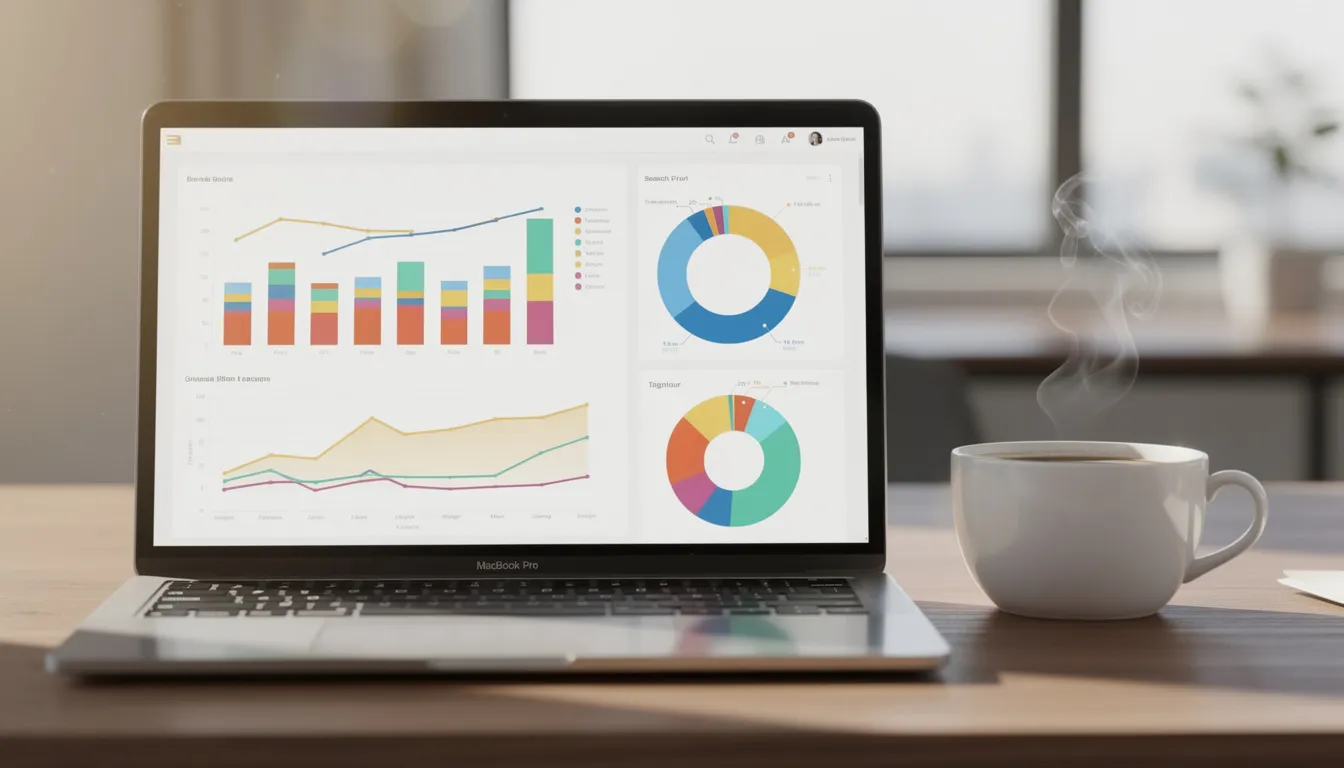
Tracking the right metrics separates a social media strategy that improves from one that stalls. Here are the engagement metrics to watch in 2026:
Monthly review ritual:
BrandGrowAgency reported engagement rates ranging from 6% to 9.1% depending on content type and creator tier. Nano-micro creator try-on Reels consistently hit the top of that range. Sprout Social's 2026 analysis confirmed that "Sends per Reach" is among the top algorithmic signals, meaning private shares now carry more weight than public likes.
Aim to improve engagement rate per post by 10-15% each quarter. That is an achievable benchmark for most accounts that shift from broadcast-style posting to value-driven, interactive social media content.
Social listening means monitoring brand mentions, keywords, and questions your audience asks across social media channels and forums. Social listening tools like Brandwatch, Sprout Social, or even free tools like Google Alerts surface trending questions and pain points you can turn into content. This is one of the most reliable ways to find relevant content topics that your audience already cares about.
Dark social refers to content shared privately through DMs, Slack, email, and messaging apps. These shares are difficult to track but represent some of the highest-intent distribution. In 2026, Instagram's algorithm gives strong weight to "Sends per Reach." To encourage dark social sharing:
DM automation bridges engagement and lead generation. Set up triggers where specific keywords in comments (e.g., "guide," "checklist," "price") auto-send a DM with the resource. Example: "Comment 'blueprint' and we'll DM you the full social media strategy template." This approach helps you generate leads directly from social media engagement while building brand awareness and driving social media engagement at the same time.
The combination of social listening, dark-social-friendly content, and DM automation turns passive scrolling into building brand awareness and increasing brand awareness in measurable ways.

Aim for consistency over volume. For most small and mid-sized brands, 3-5 quality posts per week per key platform is enough to boost engagement. Posting daily with mediocre content can hurt your engagement rate per post because the algorithm measures quality signals, not just output. Test your frequency for 60-90 days and adjust based on which posting rhythm produces the highest save and share rates.
Prioritize 1-2 social media platforms where your audience is most active. For B2C brands, Instagram + TikTok is typically the strongest pairing. For B2B, LinkedIn + Instagram covers both professional and visual audiences. Start with short-form video content and carousels on these platforms because both formats can be repurposed across social channels and tend to produce strong engagement per impression.
Avoid posting only sales-heavy, promotional content without value. That pattern lowers comments and shares because followers learn to scroll past it. Also avoid generic stock photos with vague captions, long blocks of unformatted text, and trends that do not fit your audience or brand voice. Every post should give the viewer a reason to act, whether that is learning something, answering a question, or sharing valuable insights with someone else.
Most accounts see measurable changes within 6-12 weeks of consistently posting value-focused, interactive content. Track progress monthly rather than post-by-post to spot trends and avoid overreacting to outliers. A single viral post does not validate a strategy, and a single underperformer does not invalidate one. Look at 30-day rolling averages for save rate, share rate, and comment volume.
No. In 2026, lo-fi, smartphone-shot content often performs as well as or better than polished studio production, especially for behind the scenes posts and short-form video. Invest more time in ideas, hooks, and community interaction than in production gear. A $15 ring light, a smartphone with a decent camera, and a clear social media content idea will outperform a $5,000 production with a weak hook and no call to action.