

Shopify is a hosted ecommerce platform used by thousands of New Zealand online stores to sell domestically and internationally. The platform handles hosting, security, updates, and servers, so NZ merchants focus on products, fulfilment, and marketing rather than infrastructure.
As of Q2 2026, there are around 24,730 live Shopify stores in New Zealand, showing strong local adoption. Shopify’s active store count has grown steadily, increasing from 11,998 in Q1 2020 to 21,878 in Q4 2023, and continuing upward. The platform supports NZD, GST-inclusive pricing, and New Zealand shipping carriers, making it suitable for businesses from startups to established retailers.
A Shopify store lets NZ merchants sell via an online store, social channels (Facebook, Instagram, TikTok), and in person sales through POS with one central Shopify admin.
Built-in features NZ businesses rely on include:
Shopify NZ supports major local and international payment methods and integrates with New Zealand Post and key couriers for streamlined shipping. Merchants can start with a simple Shopify website and scale up without migrating platforms.
Kiwi businesses use Shopify across diverse industries:
Setting up a Shopify store in New Zealand involves specific local legal obligations, including consumer protections and tax frameworks. Start with the free Shopify trial to explore the platform.
Key setup tasks:
The Consumer Guarantees Act (CGA) requires that products are of acceptable quality and fit for purpose, and cannot be opted out for business-to-consumer sales. The Fair Trading Act (FTA) prohibits misleading consumers regarding product pricing, availability, or origins, with severe regulatory penalties for violations.
Set your store currency to NZD in Shopify admin so prices, reports, and Shopify Payments payouts match local bank accounts.
For tax configuration:
Consult a local accountant for edge cases involving B2B transactions or complex export scenarios.
Optimizing shipping is essential for customer satisfaction and profitability, with fast and reliable shipping becoming a standard expectation.
Configure shipping by:
Shopify integrates with local courier services like NZ Post for shipping logistics and enables automatic generation of shipping quotes and label printing. Other supported carriers include CourierPost, DHL, and Aramex.
Consider offering free shipping thresholds (e.g., NZ$100+) to increase average order value.
A strong and authentic brand identity is crucial for engaging customers and building loyalty, as it helps differentiate a business in a crowded market.
Design best practices:
Shopify provides built-in tools for Search Engine Optimization (SEO), enabling businesses to optimize their online visibility in search results.
Many New Zealand merchants move from platforms like WooCommerce, Magento, BigCommerce, or Squarespace to Shopify. Migration involves transferring products, customers, order history, URLs, and content pages while minimising SEO disruption for brands ranking in Google.co.nz.
Follow this migration process:
Connect third-party systems common to NZ merchants:
Many integrations are available as Shopify apps, reducing custom development needs. Ensure data privacy compliance when connecting external platforms handling customer information.
Using Shopify Payments in New Zealand eliminates transaction fees for merchants, which can lead to significant savings, especially for those processing a high volume of transactions. Third-party payment gateways may incur fees ranging from 0.5% to 2% depending on the Shopify plan.
Shopify Checkout is designed to streamline operations and significantly improve conversion compared to custom checkouts.
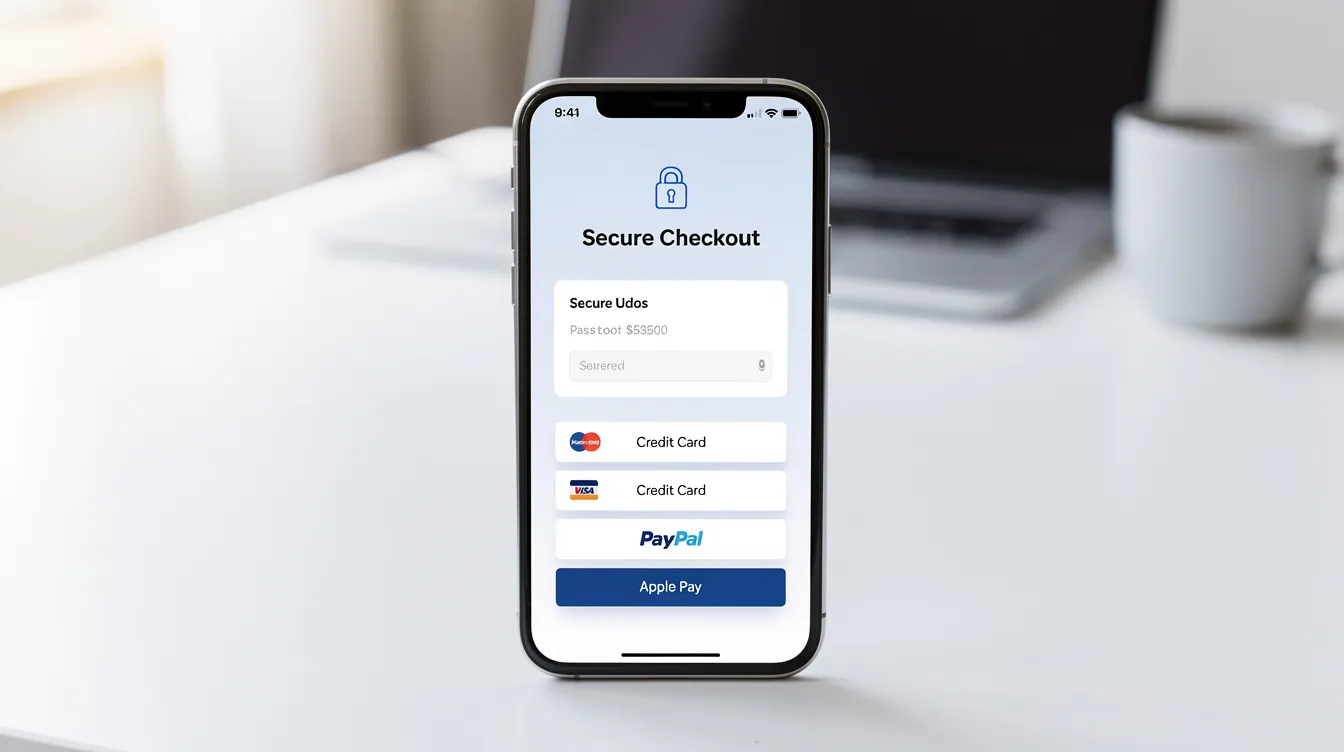
Shopify Payments allows merchants in New Zealand to accept various payment methods, including credit and debit cards, and local payment options, providing flexibility for customers at checkout.
Requirements include:
To use Shopify Payments in New Zealand, merchants must verify personal and business information to comply with international regulations aimed at preventing financial crimes.
Payout timing follows a standard business-day schedule viewable in Shopify admin. Reconcile payouts with Xero for GST and income tax reporting.
Shopify allows the integration of local payment options like Afterpay and POLi Payments to enhance checkout conversion rates. Shopify also supports multi-currency transactions, simplifying sales to international customers.
Test the full checkout flow from a New Zealand customer perspective, including GST display and shipping rates.
Shopify apps extend functionality, with NZ merchants typically using a focused stack of core apps. The app store offers tens of thousands of options, including many built specifically for Shopify Checkout and Shopify admin.
Shopify apps can vary significantly in cost, with some being free and others requiring monthly subscriptions, while custom-built apps can start around $20,000 monthly. Avoid app bloat-too many apps slow websites and increase monthly costs.
Essential marketing tools:
Ensure marketing apps comply with NZ privacy and anti-spam regulations.
Operational tools for NZ stores:
Check app pricing in NZD or understand USD conversion to avoid budgeting surprises.
Launching is only the start. Data-driven decision-making is vital for refining marketing strategies and product offerings, focusing on key metrics like average order value and conversion rates.
Continuous testing and iteration are necessary for staying competitive, allowing businesses to discover effective marketing messages and product variations.
Optimisation tactics:
Adopting a lean, low-code approach can help businesses remain agile and reduce costs, avoiding the complexity that can slow growth.
Main traffic channels for NZ Shopify stores:
Shopify provides 24/7 platform support, but NZ merchants may need strategic help with UX, marketing, and custom features.
Maintenance routine:
Work with specialists for complex integrations, custom design, or large marketing campaigns.
Shopify offers a range of pricing plans in New Zealand, including Starter, Basic, Shopify, Advanced, and Shopify Plus, each tailored to different business needs and sizes. The initial cost to start a Shopify store begins at $5/month with the Shopify Starter plan, but final costs vary based on plan and features.
Factor in additional costs: paid themes, apps, domain, email hosting, and POS hardware.
Cost management strategies:
NZ residents can run a Shopify store as a sole trader or through a registered company. Shopify Payments requires specific business details and verification. Overseas merchants can sell into New Zealand but face different tax obligations around GST registration thresholds. Consult a New Zealand accountant to choose the right structure before scaling.
Yes, many NZ Shopify stores sell globally using Shopify Markets, multiple currencies, and country-specific shipping zones. Configure international taxes and duties carefully for destinations like Australia, the US, and the UK. Start with your core NZ market, then expand one region at a time.
A simple NZ store with a standard theme and small catalogue can launch in 1–2 weeks. Complex builds with custom design, integrations, and large product ranges take 4–8 weeks or longer. Content preparation-product photos, copy, and policies-is usually the biggest timeline factor.
Shopify serves micro-businesses, side-hustles, national retailers, and global brands across New Zealand. Starter and Basic plans are affordable for small merchants with the option to upgrade as sales grow. Start lean with a simple theme and focused app stack, then invest more as traction builds.
Shopify occasionally updates pricing and payment rates. NZ merchants receive advance notification via email or admin alerts. Review statements regularly to understand margin impact. Have contingency plans ready, such as reviewing alternative payment gateways or adjusting product prices if significant fee changes occur.