Artificial intelligence is reshaping the future of digital marketing faster than any previous technology. Businesses today rely on AI marketing tools to analyse customer behaviour, automate campaigns, and improve content creation efficiency. In 2026, AI marketing has become a core part of how companies manage marketing workflows and connect with their target audiences.
Modern AI marketing tools integrate advanced algorithms, automation, and data analytics to support marketers in making smarter decisions. With the help of machine learning, marketers can analyse massive datasets, identify patterns, and generate meaningful insights that improve marketing results.
Many organisations are now adopting AI powered marketing strategies that combine automation with human creativity. This combination allows marketing teams to work more efficiently while maintaining their unique brand voice.
As the technology continues to evolve, AI tools are becoming essential components of modern marketing tools stacks. These tools help marketers streamline operations, improve personalisation, and deliver more effective marketing campaigns.
AI marketing tools are software applications designed to automate and optimize marketing processes using artificial intelligence. These platforms rely on machine learning, natural language processing, and predictive analytics to support various marketing tasks.
Businesses use AI marketing tools to automate repetitive activities, analyse consumer data, and create personalized content. This helps organisation improve customer engagement while reducing manual workloads.
The primary goal of AI marketing technology is to enhance marketing performance through automation and intelligent insights. By using AI tools, marketers can identify opportunities faster and optimise marketing strategies with precision.
Modern AI tools analyse large volumes of data collected from websites, social media platforms, email campaigns, and advertising systems. Using machine learning, these tools recognise patterns that help marketers make better decisions.
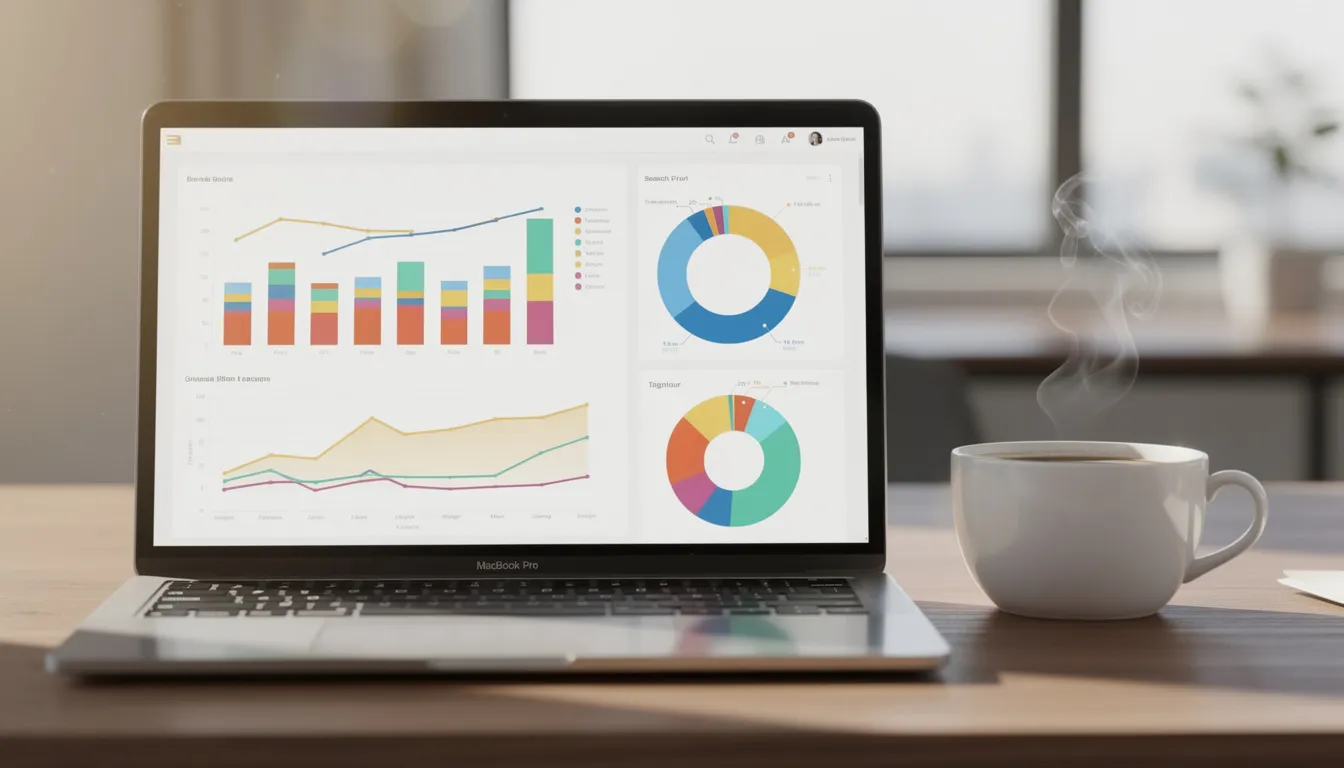
Many AI marketing tools provide dashboards where marketers can track performance metrics, analyse website traffic, and monitor campaign success. These insights help teams refine their marketing strategy and optimise marketing efforts.
Automation is another key function. Many AI powered systems automate repetitive tasks such as social media posting, customer segmentation, and email campaigns.
The adoption of AI powered marketing has increased dramatically because companies want to scale operations while maintaining personalisation.
Traditional marketing approaches require significant manual effort. However, AI marketing tools automate many processes, allowing marketers to focus on creativity and strategy rather than repetitive tasks.
Many companies are also using AI powered platforms to analyse customer behaviour across the entire customer journey, from awareness to conversion.
Organisations that adopt AI marketing solutions often experience several advantages.
First, AI marketing tools improve efficiency by automating repetitive tasks. Second, they provide actionable insights that help marketers improve campaigns.
Another advantage is personalisation. Using crm data and intent data, AI platforms can deliver tailored content to customers, improving customer engagement and conversion rates.
Content marketing has changed dramatically with the introduction of the AI writing assistant. These tools help marketers generate blog posts, ad copy, product descriptions, and email messages quickly.
An AI writing assistant uses natural language processing to create high-quality content that aligns with a company’s brand voice. Many businesses rely on these tools to produce long form content, seo blog posts, and social media captions.
Some of the most widely used AI marketing tools for content writing include ChatGPT, Jasper, and Grammarly.
The use of AI generated content is growing rapidly across industries. Companies now use generative ai tools to create blog posts, social media updates, landing pages, and advertising copy.
These AI marketing tools significantly accelerate the content creation process. Instead of spending hours writing drafts, marketers can generate ideas, outlines, and full articles with AI assistance.
Search engines are evolving with AI search technologies that provide more conversational and context-aware results.
Modern AI marketing tools analyse seo data and keyword patterns to improve search engine optimization performance. By using keyword research, marketers can identify high-intent search queries and optimize their content accordingly.
The rise of AI search also means marketers must produce high-quality, informative content to maintain visibility across search engines.
Advanced AI marketing tools simplify keyword research by analyzing search trends, competitor data, and search volume.
These tools also perform competitor analysis and competitive research, helping marketers identify opportunities to outperform competitors.
With AI-driven insights, marketers can create content that drives more website traffic and improves brand visibility.
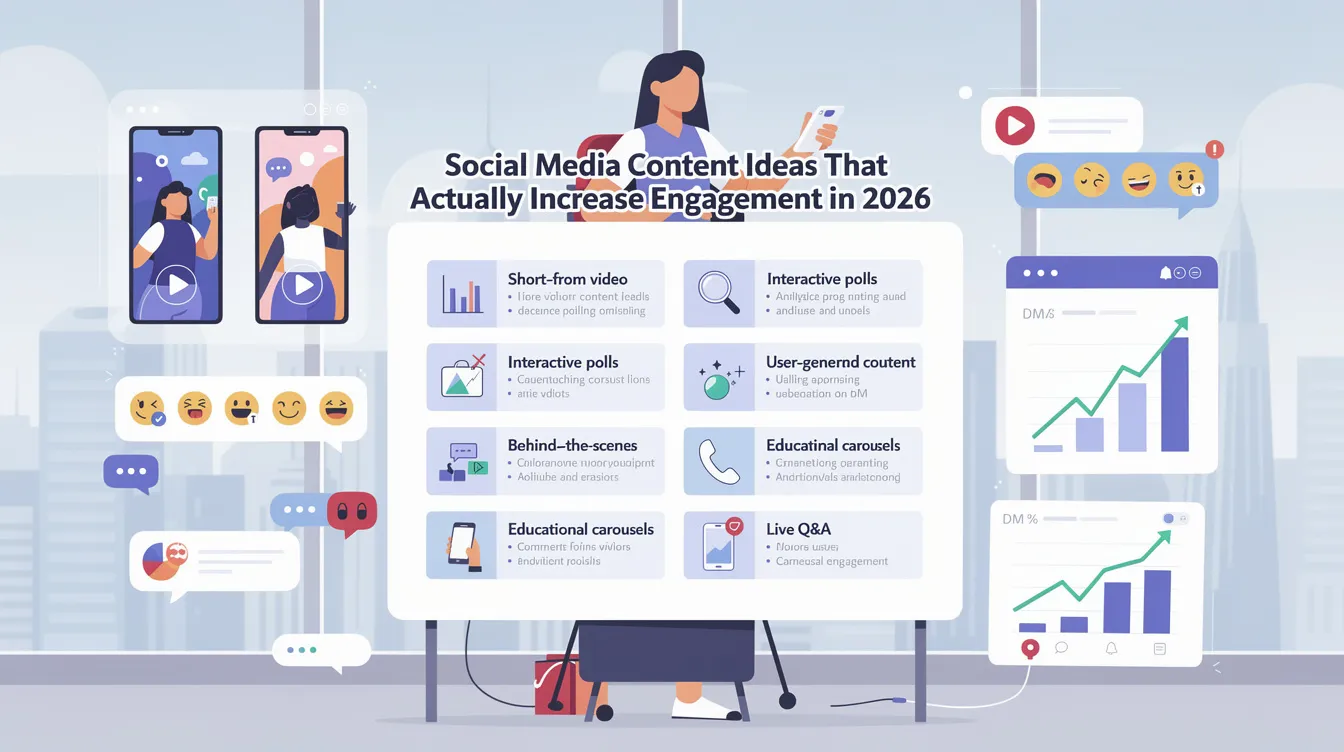
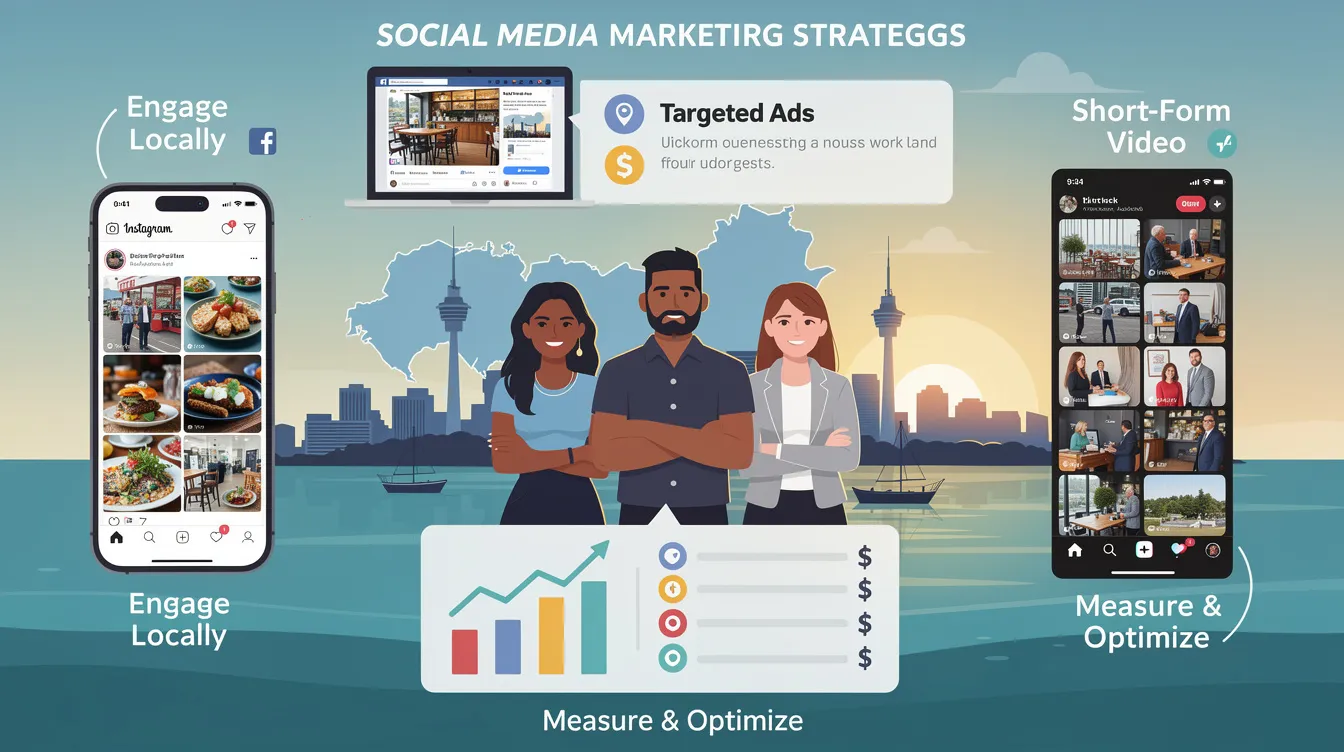
Managing social media campaigns across multiple platforms can be challenging. Fortunately, many AI marketing tools simplify social media marketing by automating content scheduling and engagement tracking.
AI systems can analyse audience behaviour and suggest the best time for social media posting.
Tools like Hootsuite and Buffer use AI powered automation to streamline publishing across major platforms such as Instagram, Facebook, LinkedIn, and X.
Many AI marketing tools provide suggestions for post ideas based on trending topics, audience preferences, and industry insights.
These AI tools analyse conversations across social media platforms to identify trending topics and emerging trends.
By using these insights, marketers can create relevant content that boosts customer engagement and strengthens brand presence.
Email remains one of the most effective marketing channels. Modern email marketing tools powered by AI help marketers automate email campaigns and personalize messaging.
AI systems analyse subscriber behaviour and segment audiences automatically. This allows marketers to send targeted email campaigns that resonate with the target audience.
Many companies rely on AI marketing tools to optimize email marketing campaigns, improving open rates and conversion rates.
AI makes email marketing more personalized by analyzing customer behaviour patterns.
By using machine learning, AI platforms can recommend products, create personalized offers, and optimize subject lines.
This level of personalisation helps brands engage customers more effectively throughout the entire customer journey.
AI agents are automated digital assistants that perform complex marketing tasks without human intervention.
These AI agents can monitor campaigns, analyse performance data, and adjust strategies automatically.
Businesses are increasingly integrating AI agents into their marketing operations to automate processes and improve efficiency.
An AI assistant helps marketing teams manage campaigns, analyse performance, and generate insights.
These assistants support tasks such as content creation, keyword research, and campaign optimization.
With an AI assistant, marketers can focus on strategic decisions rather than routine operational work.
Several top AI marketing tools are shaping the future of marketing technology.
Popular solutions include ChatGPT, Jasper, Surfer SEO, and Semrush. These AI marketing tools help marketers automate content creation, optimize SEO, and manage campaigns.
Many of these platforms offer free plan options that allow businesses to test features before investing in premium plans.
The best AI tools for content marketing include writing platforms, SEO optimization tools, and design platforms.
Examples include Jasper for copywriting, Surfer SEO for optimization, and Canva for visual design.
These best AI marketing tools enable marketers to produce high-quality content faster and more efficiently.
Advertising platforms like google ads increasingly rely on AI to optimize campaigns.
AI algorithms analyse user behaviour and automatically adjust bidding strategies.
This AI powered approach allows performance marketers to maximize return on investment while minimizing wasted ad spend.
AI platforms analyse vast datasets to help marketers make data driven decisions.
These AI marketing tools can identify high-performing ad creatives, optimize audience targeting, and predict campaign outcomes.
Many brands now use AI marketing tools for influencer marketing campaigns.
AI platforms analyse engagement metrics and audience demographics to identify the most suitable influencers for a campaign.
These tools also track brand mentions and campaign performance.
AI technology enables brands to enhance customer engagement by delivering personalized experiences.
Using machine learning, AI marketing tools analyse user behaviour and preferences to recommend relevant content.
This helps brands create stronger connections with their audience.
Many businesses prefer an all in one platform that combines multiple marketing tools in a single dashboard.
These AI platform solutions often include SEO, email marketing, social media management, analytics, and campaign automation.
This integration improves efficiency and simplifies marketing workflows.
AI plays a critical role in shaping modern marketing strategy. By analyzing vast datasets, AI marketing tools provide insights into customer behaviour, campaign performance, and market trends.
These insights enable businesses to refine their marketing efforts and make smarter decisions.
Despite their benefits, AI marketing tools also present challenges.
Many marketers struggle to understand how to use these tools effectively.
Additionally, relying too heavily on automation can sometimes reduce creativity.
Businesses should begin with a few AI tools rather than adopting too many platforms at once.
Testing tools through a free plan allows companies to evaluate their effectiveness before committing to full implementation.
Maintaining a consistent brand voice is essential when using AI-generated content.
Marketers should review AI output to ensure it aligns with their brand guidelines.
The future of AI marketing will involve deeper integration between AI systems and marketing platforms.
Emerging technologies such as predictive analytics and advanced AI agents will further automate marketing processes.
These innovations will allow marketing teams to focus on strategy while AI handles operational tasks.
Artificial intelligence has transformed the world of digital marketing in remarkable ways. With the help of advanced AI marketing tools, businesses can automate campaigns, analyse data, and deliver personalized experiences.
From content creation to email marketing, social media management, and advertising optimization, AI is revolutionizing every aspect of marketing.
Companies that adopt the best AI marketing tools and integrate them into their workflows will gain a competitive advantage in the evolving digital landscape.
As technology continues to evolve, AI powered marketing will become even more sophisticated, helping brands create smarter strategies, stronger relationships with customers, and more impactful marketing campaigns.