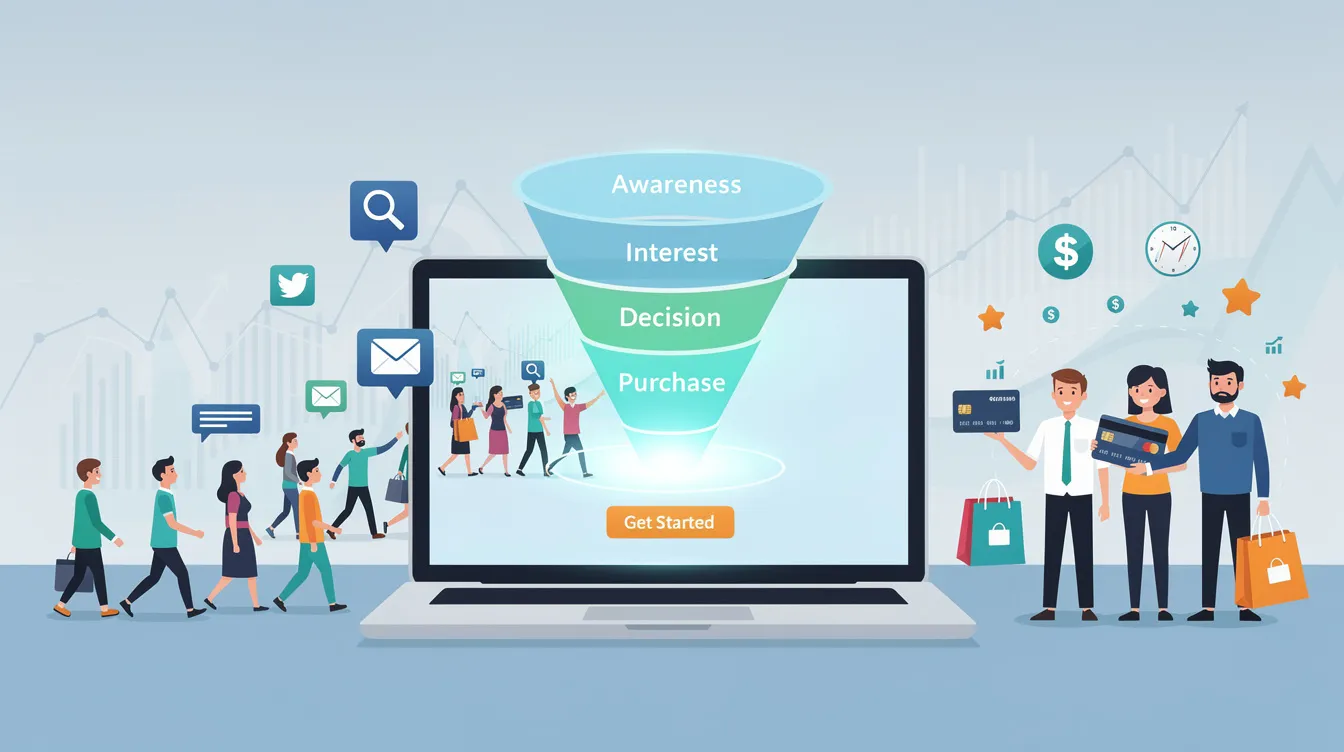

Getting traffic to your website is exciting, but attracting website visitors is only half the battle. The real challenge is learning how to turn website visitors into paying customers. Every day, many businesses invest in SEO, PPC, and digital marketing to generate more traffic, yet they struggle to convert those visitors into actual buyers.
Successful businesses understand that converting website visitors into paying customers requires more than a beautiful website. It involves understanding customer behavior, improving the user journey, building trust, and removing friction at every step.
In this guide, we'll explore proven strategies to help you turn website visitors into paying customers, increase conversion rates, and achieve sustainable business growth.
Bringing website visitors to your website is important, but traffic alone doesn't generate revenue.
The ultimate goal is to convert casual visitors into paying customers who continue buying from your business.
Instead of focusing only on attracting new visitors, focus equally on improving conversions.
Every successful website speaks directly to its target audience.
Understanding your audience's pain points, goals, and specific interests helps you create messaging that resonates.
Your content should solve problems rather than simply describe products.
Visitors arrive with different levels of user intent.
Some want information.
Others are comparing solutions.
Some are ready to buy immediately.
Matching your content to the buyer's journey dramatically improves conversions.
Within the first few seconds, visitors should instantly understand:
A clear value proposition answers these questions immediately.
Without it, most users leave before exploring further.
One of the biggest reasons users leave is unclear messaging.
Your homepage should include relevant messaging that immediately speaks directly to visitor needs.
Avoid vague marketing language.
Focus on customer benefits.
A slow website can destroy conversion opportunities.
Page speed directly affects user experience, engagement, and conversion rates.
Even a one-second delay can reduce conversions significantly.
Your pages should load quickly on desktop and mobile.
Fast websites reduce friction, improve engagement, and encourage visitors to continue browsing.
Today, more than 60% of website traffic comes from mobile devices.
Your website must be completely mobile friendly.
Buttons should be easy to tap.
Forms should be simple.
Navigation should remain intuitive.
A user friendly website keeps users engaged longer.
Simple navigation reduces frustration and encourages visitors to explore additional pages.
Visitors need direction.
Every page should guide users toward the next logical step.
Your CTA should match the visitor's stage in the buyer's journey.
Avoid generic phrases like "Learn More."
Instead, use stronger CTAs such as:
These encourage action and help increase conversions.
A successful landing page focuses on a single conversion objective.
Avoid unnecessary navigation and distractions.
Everything should support one action.
Visitors arriving from advertisements should see exactly what they expected.
Consistent messaging improves trust and reduces bounce rates.
Authentic customer testimonials help reduce perceived risk.
Visitors trust other customers more than marketing claims.
Real experiences make your business more credible.
Trust signals work best close to the checkout process.
Include:
These encourage hesitant buyers to proceed.
A complicated checkout page increases abandonment.
Ask only for necessary information.
Reduce the number of steps required.
Simpler checkouts create happier customers.
Look for anything that slows the buying process.
Long forms.
Unexpected costs.
Complicated navigation.
Each friction point reduces conversions.
People often delay purchases.
Adding urgency helps overcome procrastination.
You can create urgency using:
Offering exclusive deals encourages faster decisions.
Limited-time promotions create instant gratification and motivate visitors to act now.
Modern websites use dynamic content to personalise experiences.
Returning visitors can see different offers than new visitors.
This improves engagement.
Tracking browsing behavior allows businesses to recommend products based on previous interests.
Personalisation makes visitors feel understood.
Many potential customers won't purchase on their first visit.
Retargeting ads remind visitors about your business after they leave.
This keeps your brand top of mind.
Different visitors need different messages.
Segment audiences based on:
Better segmentation improves results.
Exit intent pop ups appear when visitors are about to leave.
Offering:
can encourage visitors to stay.
Instead of immediately asking for a sale, provide valuable information through guides, checklists, or downloadable resources.
This builds trust while collecting leads.
Not every visitor buys immediately.
Email follow ups nurture relationships until prospects are ready.
Helpful emails keep your business remembered.
Existing customers are often easier to sell to than acquiring new customers.
Email marketing encourages repeat purchases and creates loyal customers.
Every blog post should educate visitors.
Helpful articles answer common questions while demonstrating expertise.
This builds authority.
Your content should address customer pain points with practical solutions.
Useful information encourages trust and positions your business as an expert.
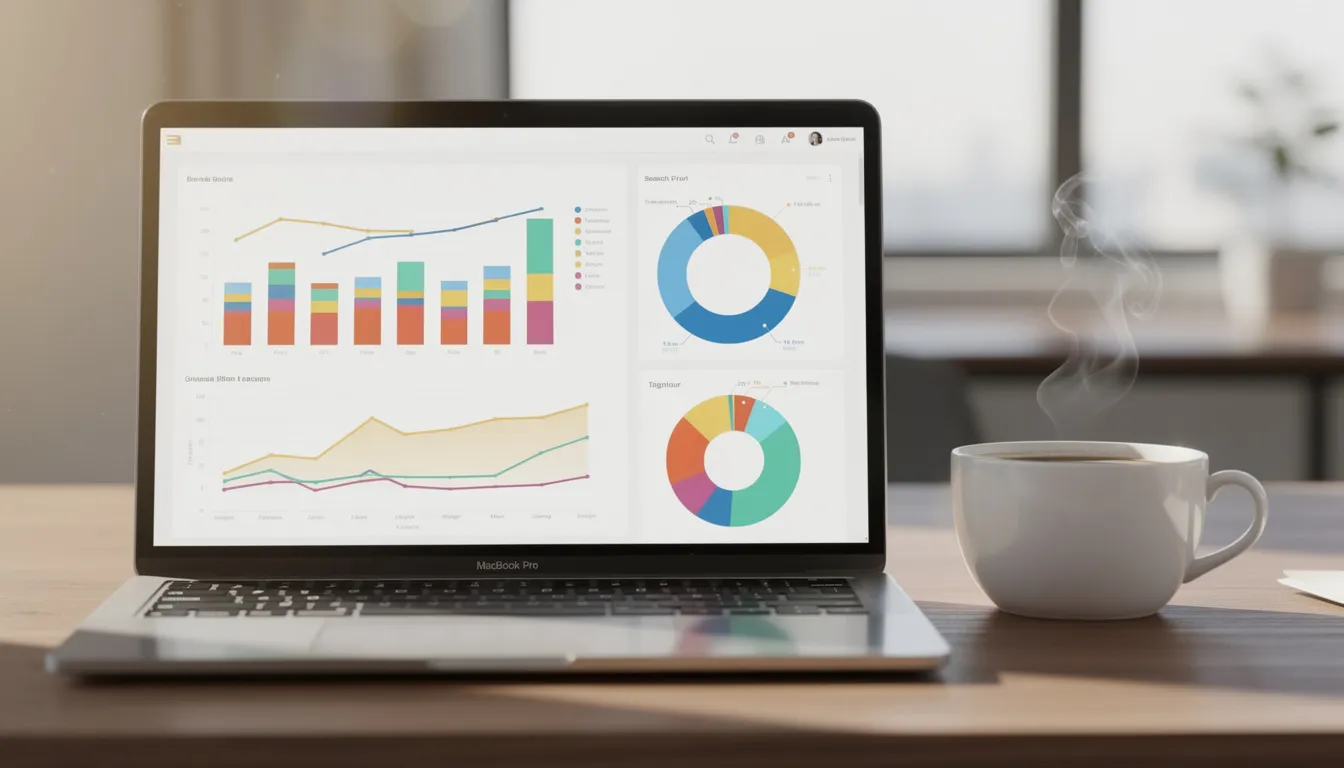
Professional analytics tools reveal valuable visitor behavior and user behavior.
Track:
These metrics identify opportunities for improvement.
Identify where visitors abandon the website.
These drop off points often reveal usability issues or confusing content.
Fixing these areas can dramatically improve conversions.
Successful businesses continuously test:
Small improvements often produce major gains.
Regularly monitor conversion rates and optimise based on real data.
Testing removes guesswork and supports data driven insights.
A poor user experience prevents visitors from becoming customers.
Focus on:
Every improvement increases engagement.
Interactive content, videos, FAQs, calculators, and comparison tools help keep users engaged.
Longer sessions often result in higher conversions.
The objective isn't simply attracting visitors.
It's consistently converting visitors into paying customers.
Every design decision should support this goal.
Give customers reasons to choose you.
Offer:
These additional benefits increase perceived value.
The user journey should feel natural from the first visit to purchase.
Every page should move visitors closer to becoming customers.
Avoid unnecessary distractions.
Successful businesses don't stop after the first sale.
Continue providing value to create loyal customers who recommend your brand and generate recurring revenue.
Learning how to turn website visitors into paying customers is one of the most valuable skills any business can develop. While attracting traffic is essential, true success comes from creating an experience that builds trust, removes friction, and encourages action.
By understanding your target audience, improving user experience, using customer testimonials, optimising your landing page, creating compelling calls to action, leveraging retargeting ads, and continuously analysing performance with analytics tools, you can consistently convert visitors, increase conversion rates, and boost sales.
Remember, every improvement, whether it's faster page speed, clearer messaging, a more persuasive value proposition, or a simplified checkout, helps transform website visitors into paying customers. Over time, these practical strategies lead to more customers, stronger business growth, and a loyal customer base that continues to support your business for years to come.